ABOUT THE EXHIBITION
PRESS KIT
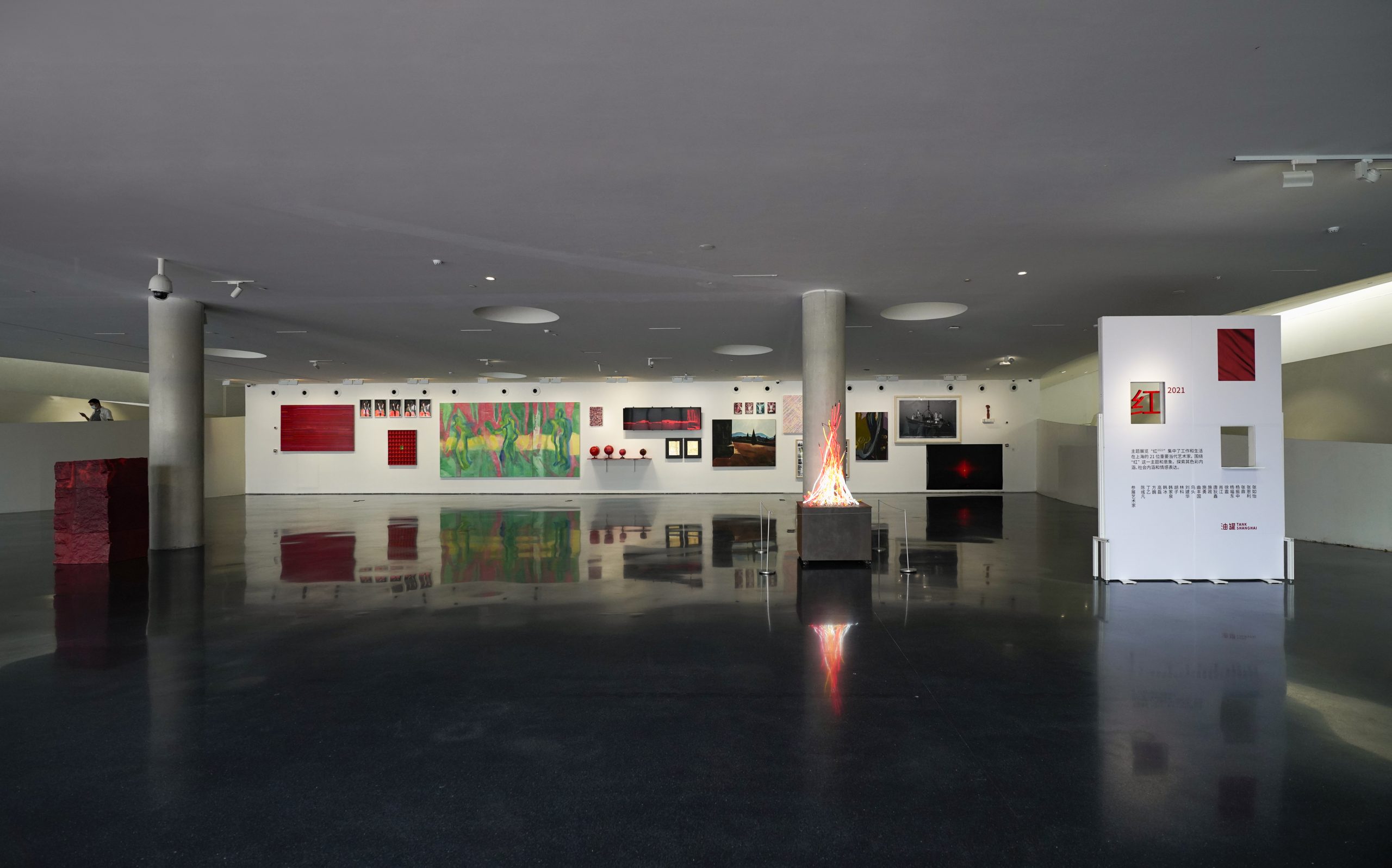
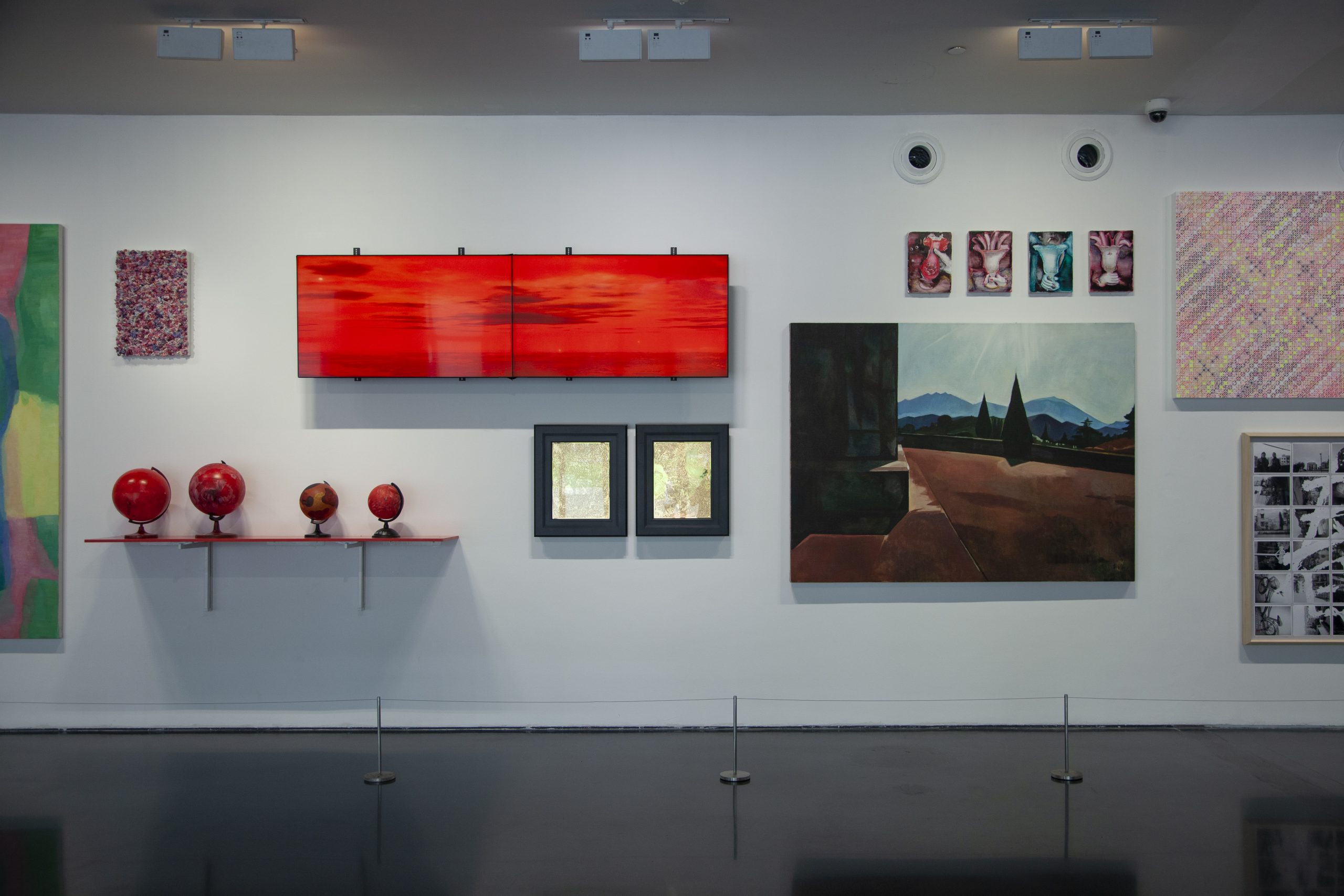
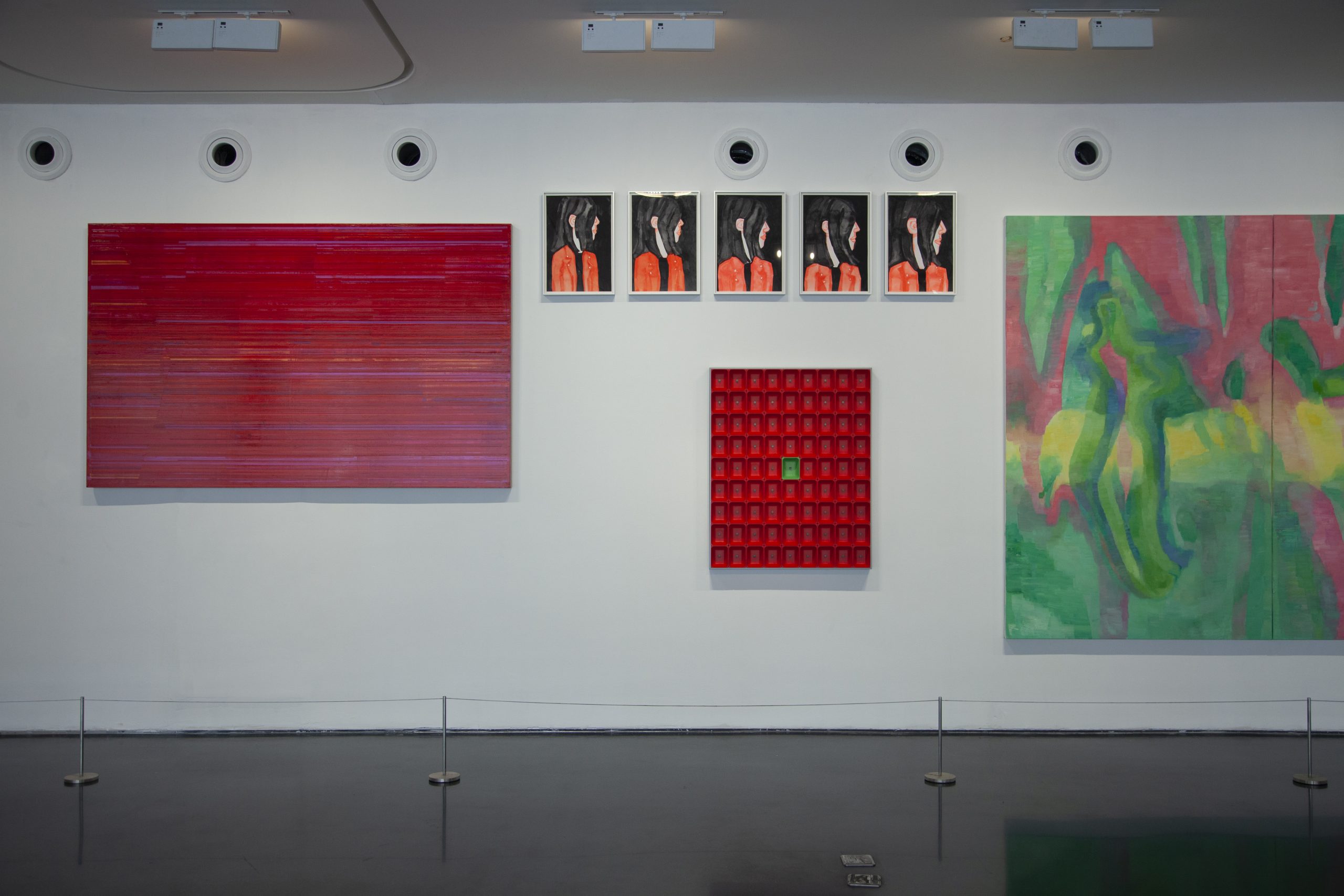
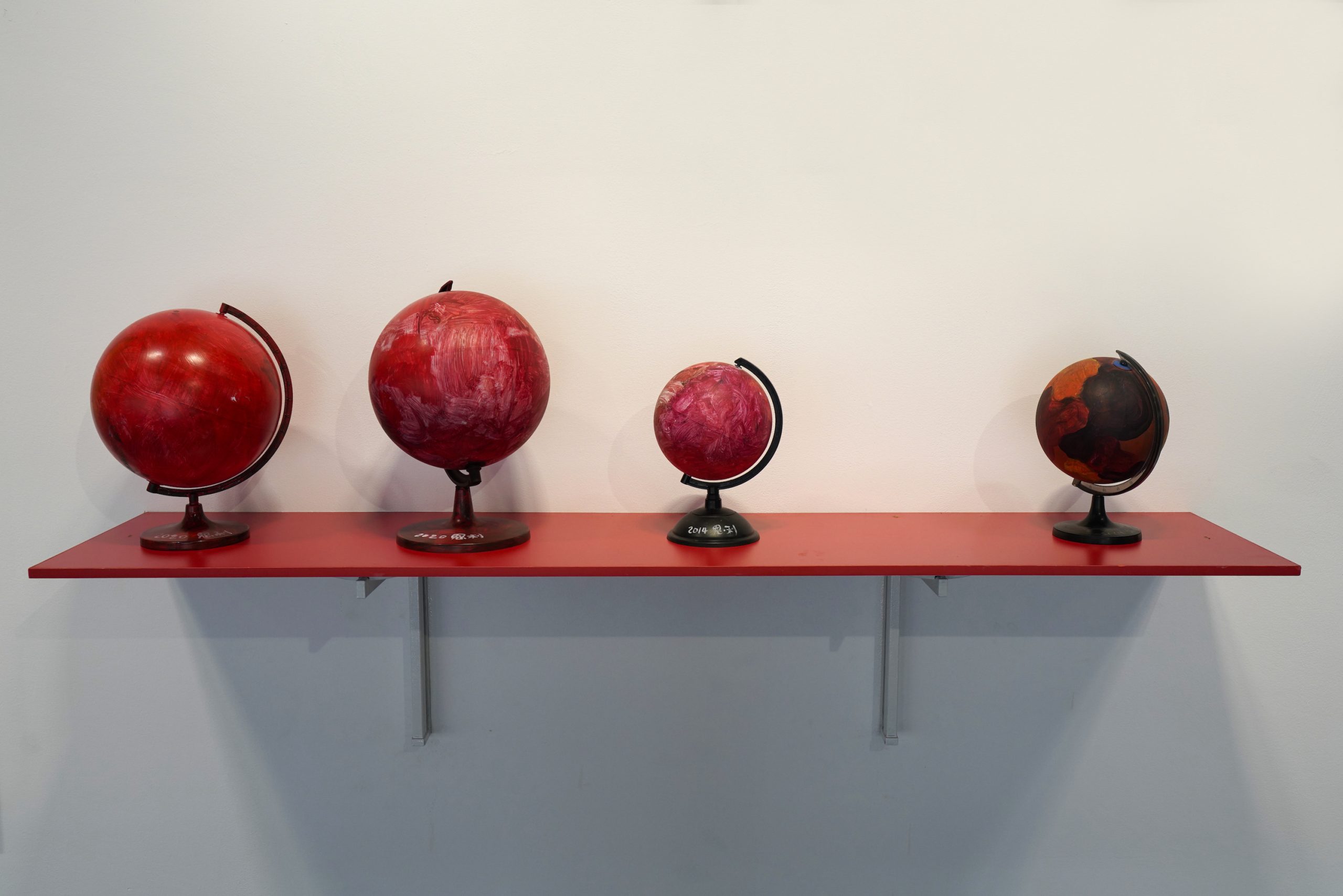
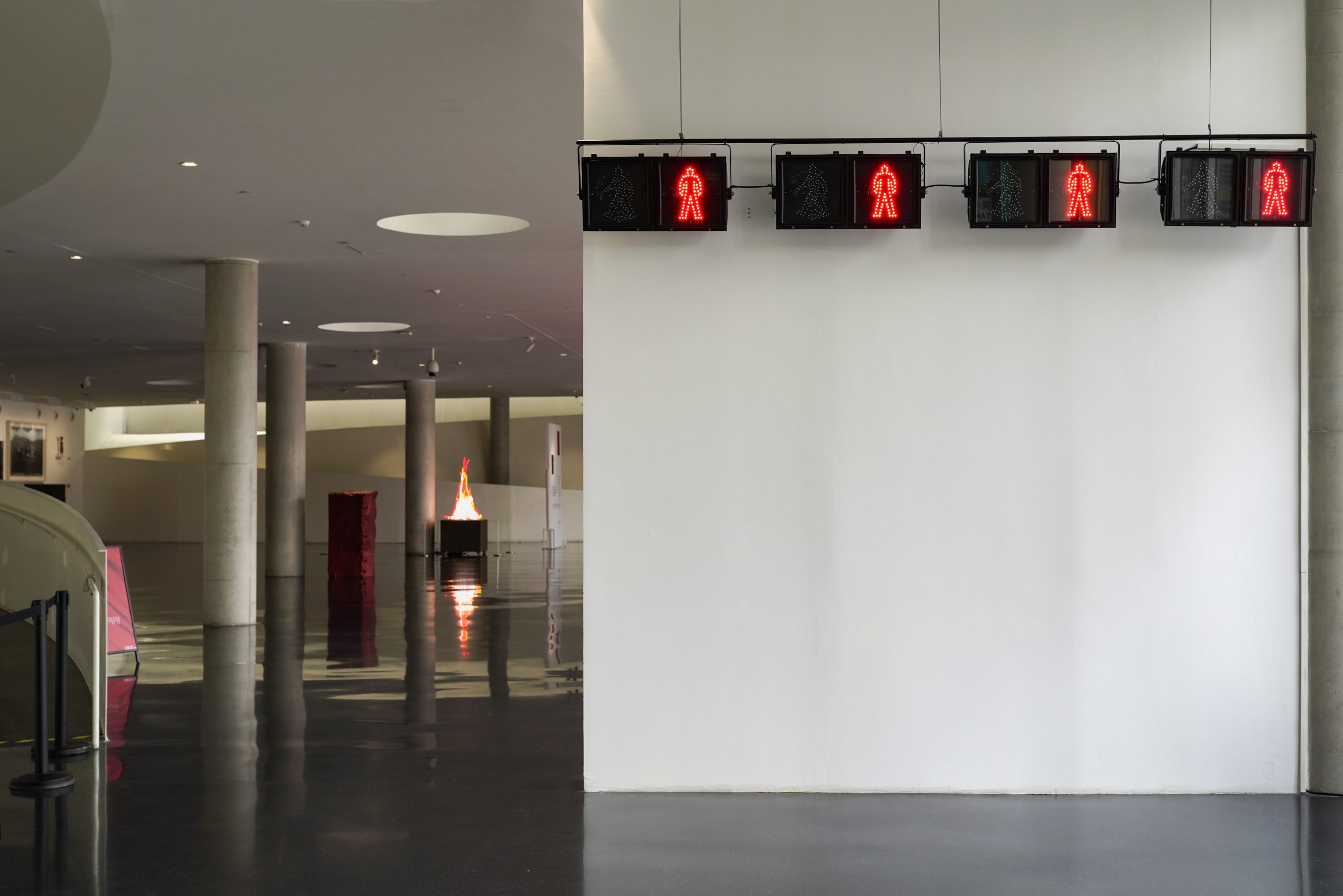
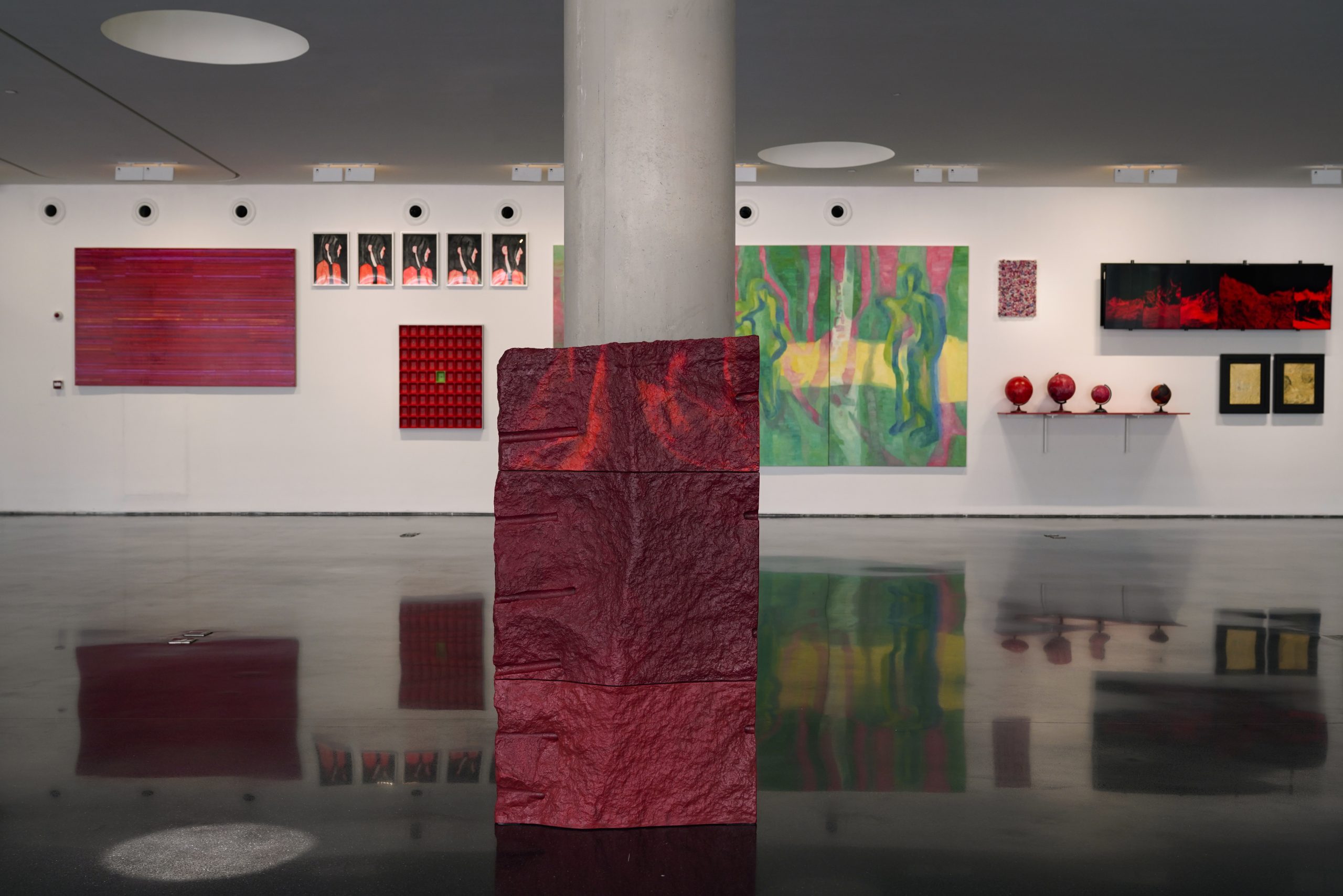
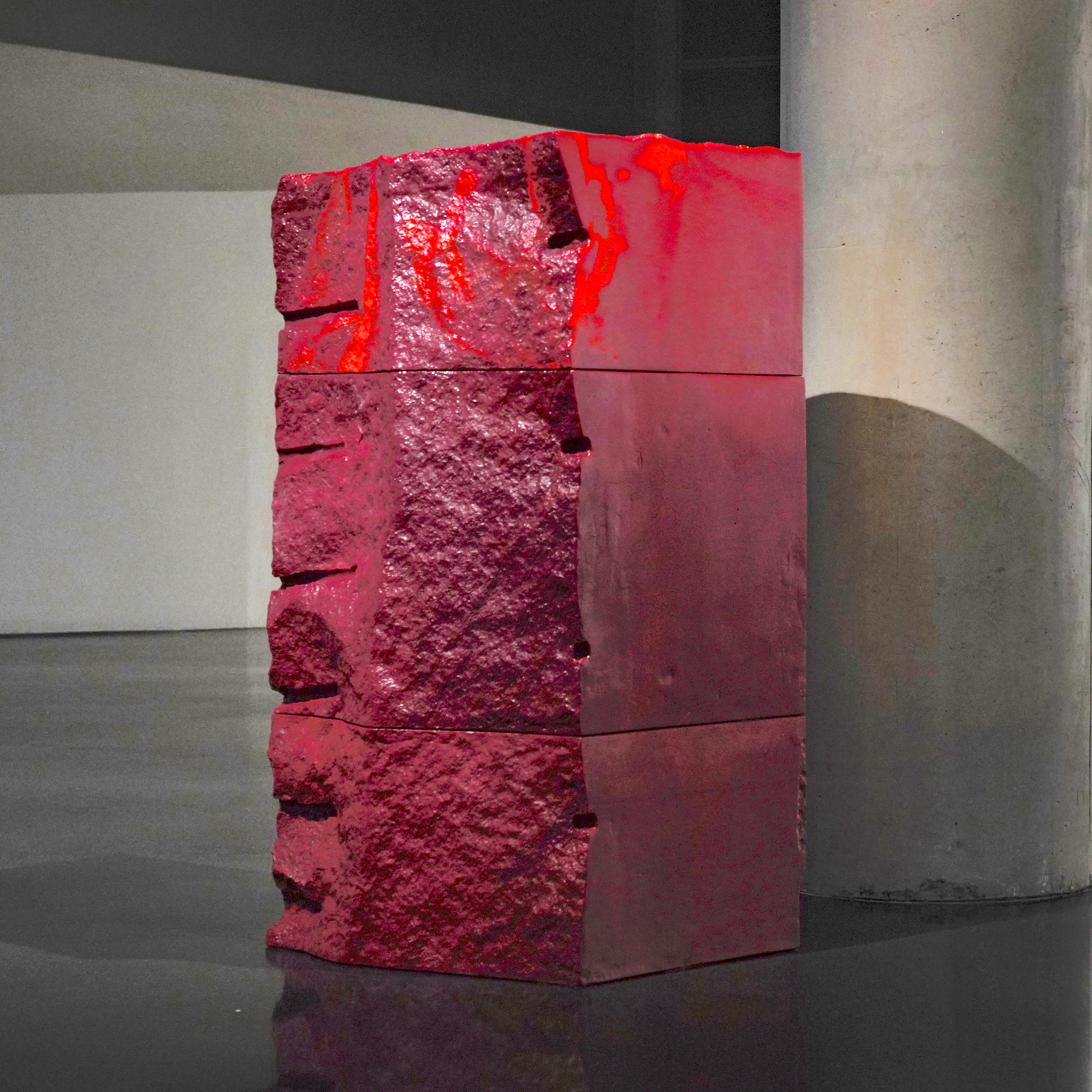
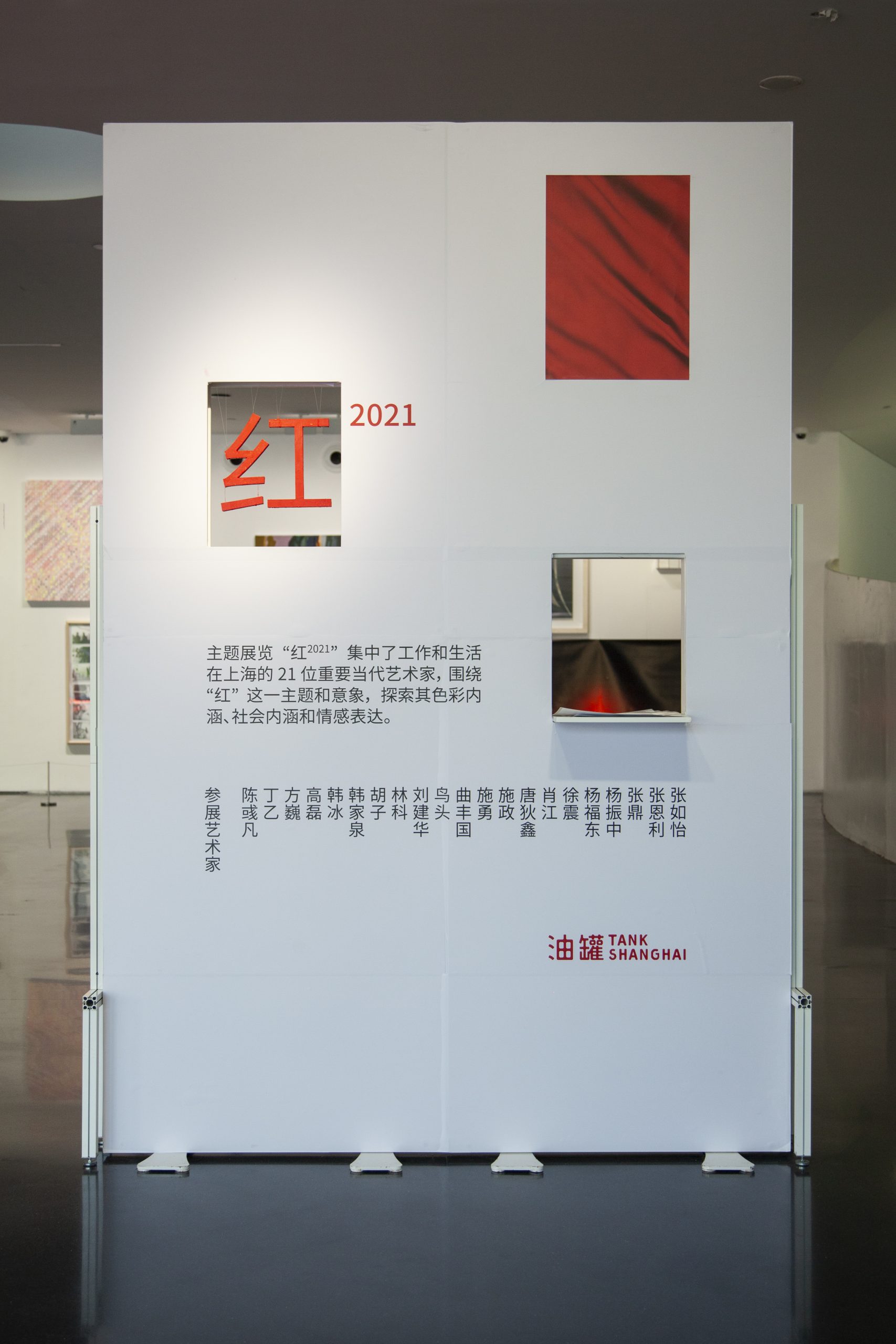
TANK Shanghai presents the special thematic exhibition “Red,” bringing together 21 important contemporary artists who live and work in Shanghai. Centered on the theme and imagery of “red,” the exhibition explores its chromatic significance, social connotations, and emotional expressions.
ABOUT THE ARTIST
Chen Yufan
Chen Yufan was born in Putian, Fujian Province in 1973. He graduated from the Art College of Fujian Normal University in 1997 and completed a postgraduate program in the Integrated Arts Department of the China Academy of Art in 2007. He currently lives and works in Shanghai.
Chen Yufan’s solo exhibitions include: “Contemplation & Transformation—Chen Yujun & Chen Yufan,” Grain Warehouse Contemporary Art Space, Shenzhen, 2019; “Overlapping Journeys: Chen Yufan, Yuan Daxi,” Shanghai Oil Painting & Sculpture Institute, Shanghai, 2019; “Ideal Place—New Works by Chen Yufan,” AYE Gallery, Beijing, 2018; “Mulan River / Crossing,” curated by A+ Contemporary Asian Contemporary Art Space, Taipei, 2018; “Mulan River—Cuo,” Petach Tikva Museum of Art, Petach Tikva, Israel, 2017; “Rolling Stone,” Arario Museum, Jeju, South Korea, 2017; “Chen Yufan,” Ginkgo Space, Beijing, 2016; “White—Chen Yufan, Chen Yujun,” Tang Contemporary Art Center, Hong Kong, 2016; “Chen Yufan,” curated by A+ Contemporary Asian Contemporary Art Space, Taipei, 2015; “Above White, Below Black—Solo Exhibition of Chen Yufan,” Anxin Trust·Zhimei Space, Shanghai, 2015; “Chen Yufan, Chen Yujun—Space Record No.1,” AYE Gallery, Beijing, 2014; “Mulan River—Bu Ju,” Zhong Gallery, Berlin, 2012; “Folded Time—2012 New Works by Chen Yufan,” AYE Gallery, Beijing, 2012; “Chen Yufan, Chen Yujun—Mulan River,” Boers-Li Gallery, Beijing, 2011; “Becoming One,” AYE Gallery, Beijing, 2010; among others.
His group exhibitions include: “Abstract 2020/Part I: Cold and Hot,” Yibo Gallery, Shanghai, 2020; “The 2nd Anren Biennale: Common Myths,” OCT Anren Creative Culture Park, Chengdu, 2019; “Pal(ate)/ette/,” Three on the Bund, Shanghai, 2019; “Xuanzhi Museum—Contemporary Art Salon Exhibition / 1st Edition,” Xuanzhi Museum, Fuzhou, 2019; “Changing Scenery,” Shanghai Hui Sheng Art Museum, Shanghai, 2019; “Moving Eastward,” Mofeimo Gallery, Qingdao, 2018; “Interface Effect,” Today Art Museum, Beijing, 2018; “Another Aleph—Sino-German Contemporary Art Dialogue Exhibition,” DE Art Museum, Xiamen, 2018; “What Happens After Sunset…,” Galerie Liusa Wang, Paris, 2018; “Rhapsody—Contemporary Art Exhibition,” Huangting Plaza, Shenzhen, 2018; “Territory—Geopolitical Topologies,” OCAT Shanghai, Shanghai, 2017; “What Happens After Sunset…,” MoCA Pavilion, Shanghai, 2017; “Blank Cheque,” CFA, Berlin, 2017; “Annual of Contemporary Art of China 2015,” Minsheng Art Museum, Beijing; Sichuan Fine Arts Institute Museum, Chengdu; Jiangsu Center for Modern Art, Nanjing, 2016; “Not Painting—Exploring the Boundaries of Painting,” Asia Art Center, Taipei, 2015; “The 8th Shenzhen Sculpture Biennale: We Have Never Participated,” OCAT Shenzhen, Shenzhen, 2014; “Mulan River—Bu Ju,” Leipziger Baumwollspinnerei, Leipzig, Germany, 2013; “Fuck Off 2,” Groninger Museum, Groningen, Netherlands, 2013; “Mirror and Shadow: Chinese Contemporary Art,” National Gallery of Indonesia, Jakarta, 2013; “ON|OFF: China’s Young Artists in Concept and Practice,” UCCA Center for Contemporary Art, Beijing, 2013; “Gwangju Biennale Special Exhibition: Ctrl+N—Nonlinear Practice,” Gwangju Museum of Art, Gwangju, 2012; among others.
His works are held in the collections of: White Rabbit Gallery, Sydney, Australia; Guy & Myriam Ullens Foundation, Switzerland; Sigg Collection Foundation, Switzerland; Arario Museum, Seoul, South Korea.
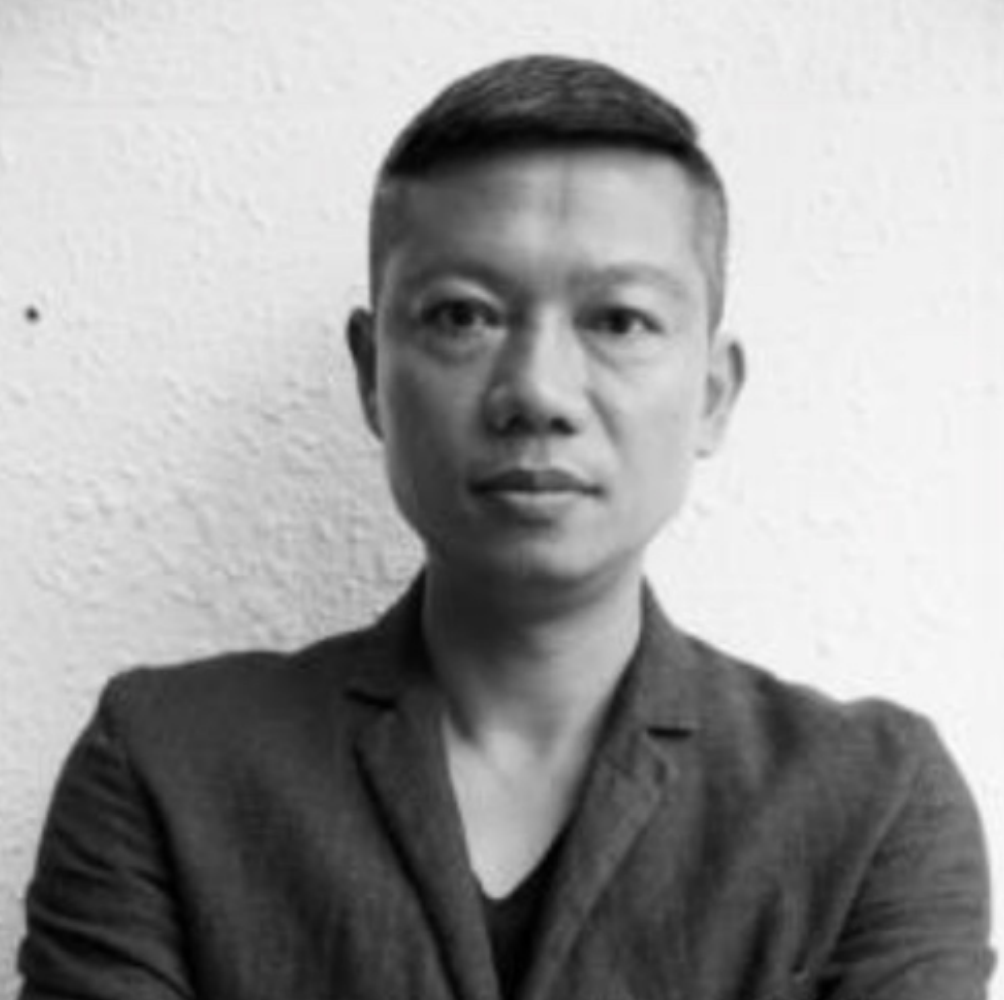
Ding Yi
Ding Yi was born in Shanghai in 1962 and currently works and lives there. He graduated from the Shanghai Arts & Crafts School in 1983 and from the Fine Arts College of Shanghai University in 1990. Ding Yi’s creative practice encompasses painting, sculpture, spatial installation, and architecture. Since the late 1980s, he has employed the visual symbol of the cross “十” and its variant “X” as representatives of structure and rationality, and as synonyms for imagery that reflects the essence of things.
Ding Yi’s works have been extensively exhibited at various institutions and galleries worldwide, including the Power Station of Art, Shanghai (2020); San Francisco Museum of Modern Art, USA (2018-2019); Guggenheim Museum (Bilbao, Spain / New York, USA, 2017-2018); Daimler Contemporary Art, Berlin, Germany (2017); Centre Pompidou, Paris, France (2015); joint group exhibitions at museums in Duisburg, Düsseldorf, and other locations in Germany (2015); MAXXI Museum, Rome, Italy (2011); Asian Art Museum, San Francisco, USA (2010); UCCA Center for Contemporary Art, Beijing (2007); touring exhibitions at museums in Bern, Switzerland; Hamburg, Germany; Barcelona, Spain, and other locations (2005-2009); and Hamburger Bahnhof – Museum für Gegenwart, Berlin, Germany (2001). Major international biennales include the 45th Venice Biennale (1993), the 1st Asia-Pacific Triennial of Contemporary Art (1993), the 11th Biennale of Sydney (1998), the 1st Yokohama Triennale (2001), the 6th Shanghai Biennale (2006), the 7th Shenzhen Sculpture Biennale (2012), and the 7th Busan Biennale (2016).
Recent solo exhibitions at domestic and international institutions include: Long Museum (Chongqing, 2020; West Bund, Shanghai, 2015); Nova Contemporary (Bangkok, 2020); Galerie Rüdiger Schöttle (Munich, 2019); Guangdong Museum of Art (Guangzhou, 2018); ShanghART Gallery (Shanghai, 2018; Singapore, 2015); Xi’an Art Museum (Xi’an, 2017); Timothy Taylor (London / New York, 2017); Hubei Museum of Art (Wuhan, 2016); Galerie Karsten Greve (Paris, 2007, 2014, 2019, 2021; St. Moritz, 2012; Cologne, 2008, 2020); Minsheng Art Museum (Shanghai, 2011); MAMbo – Museo d’Arte Moderna di Bologna (Bologna, 2008); and Ikon Gallery (Birmingham, 2005), among others.
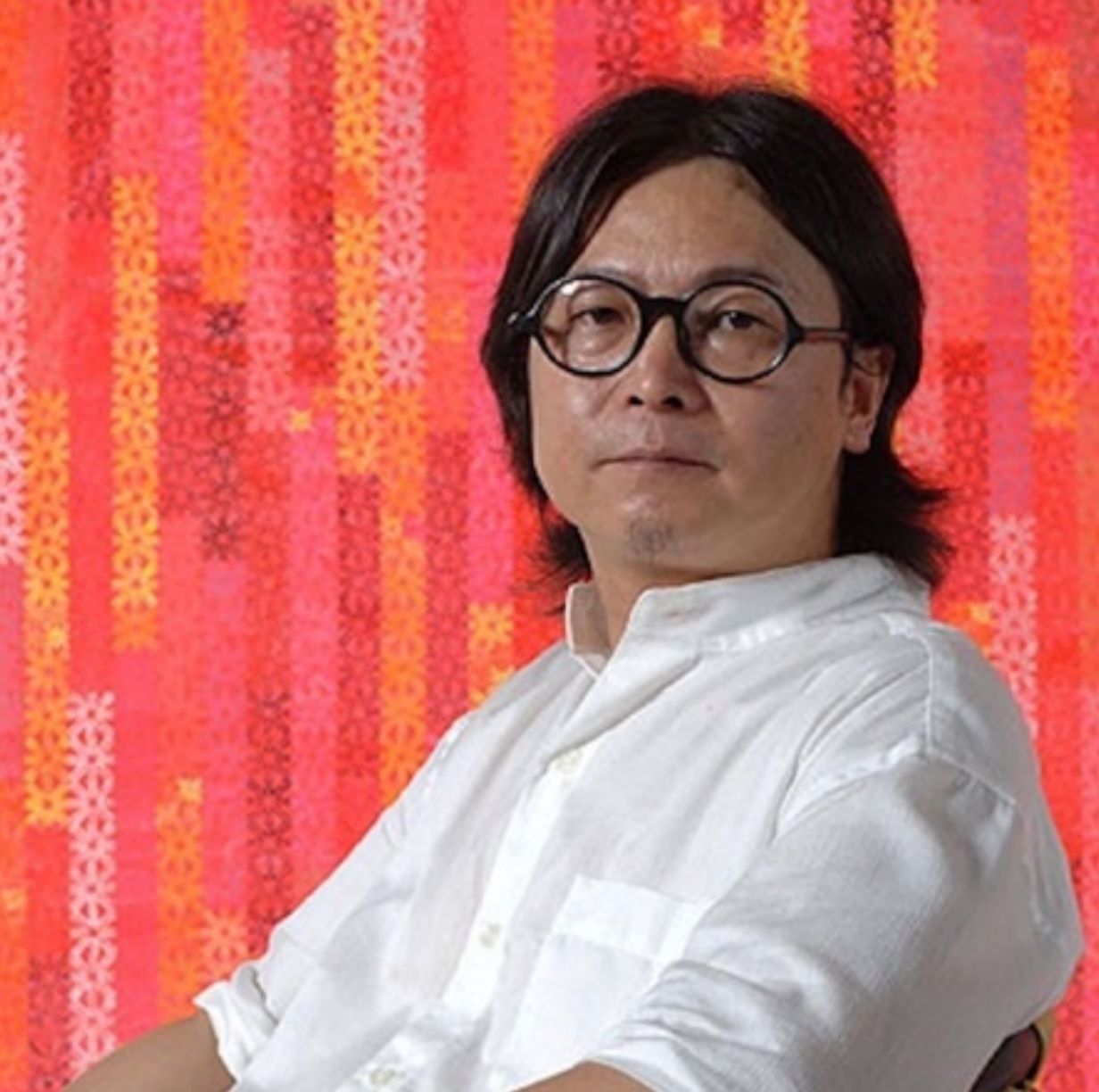
Fang Wei
Fang Wei was born in Shanghai in 1968 and graduated from the Shanghai Arts & Crafts School in 1986. He currently lives and works in Shanghai.
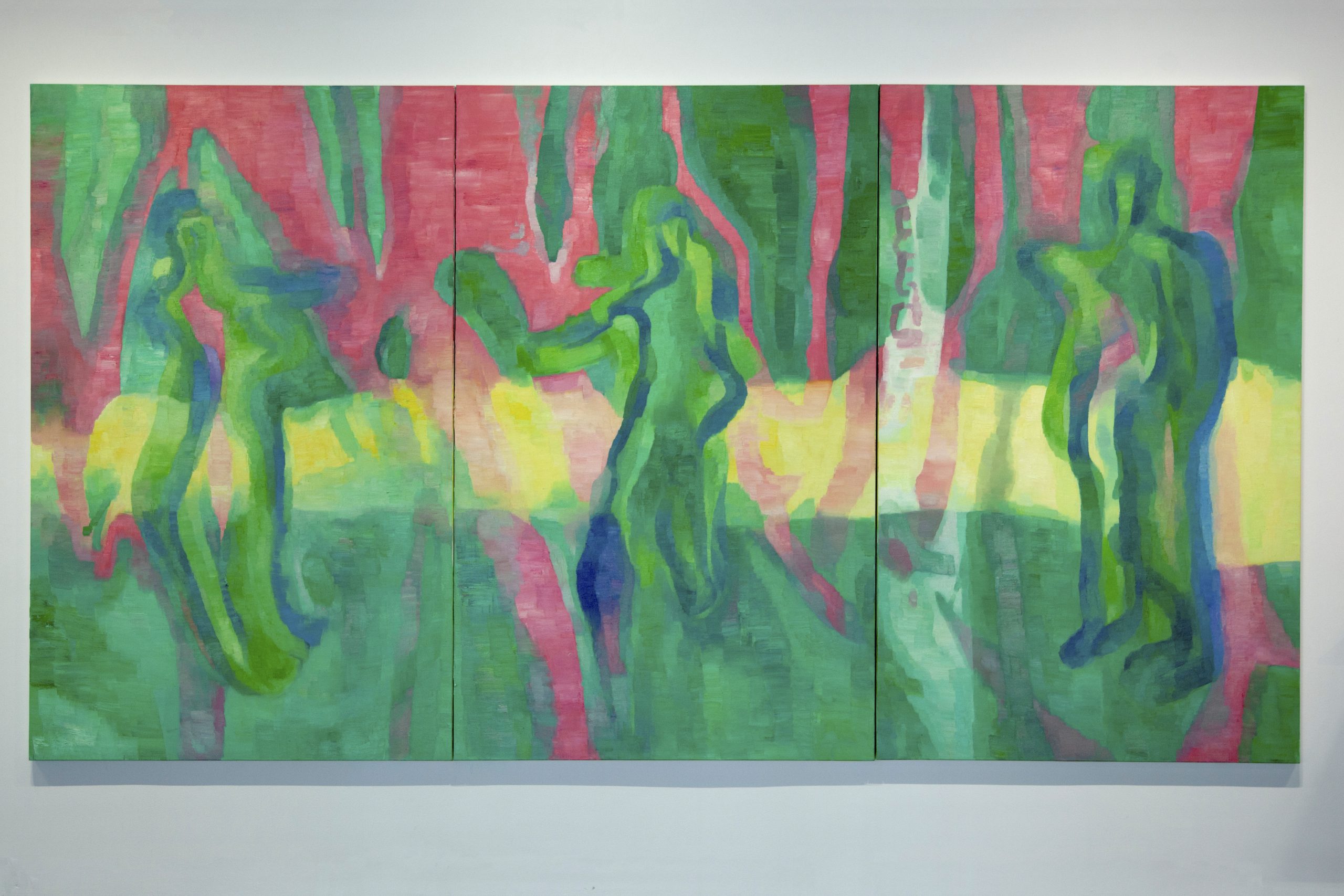
Fang Wei’s paintings do not have predetermined subjects or themes. Instead, he allows his untamed and unrestrained inner fantasies to extend into bold expressions of color and emotion to depict the figures and scenes in his compositions. For a long time, he has consistently focused on the intrinsic nature of humanity, confronting excitement, fear, solitude, ecstasy, and sorrow with an embracing attitude. Using absurd, exaggerated, and surreal techniques, along with rich, brilliant colors and a unique method of bleeding brushstrokes, he creates various kinds of spiritual delusions.
The figure is an extremely important theme in Fang Wei’s work. After his brush touches the palette and applies paint to the canvas, men, women, Buddhas, or deities are constantly blended and diffused by color, rendering the subjects hazy and ambiguous. In his large-scale works, multiple human forms often appear, becoming stained and dissolved by the surrounding landscape. Fang Wei’s paintings contain a primitive mystical force and a clear pictorial language. He attempts to express the vague intuitions surfacing in his mind; seemingly spontaneous images are gradually reconciled through rigorous control. The narrative within them is multidirectional and divergent, as if conveying a sense of visual hypnosis through flowing imagery, intoxicating the viewer.
Recent solo exhibitions include: “Early Mornings,” AIKE, Shanghai, 2018; “Unseen Place,” Richard Koh Fine Art, Kuala Lumpur, 2016; “Assassin,” BANK, Shanghai, 2014; and a solo exhibition at Shanghai Gallery of Art, Shanghai, 2012.
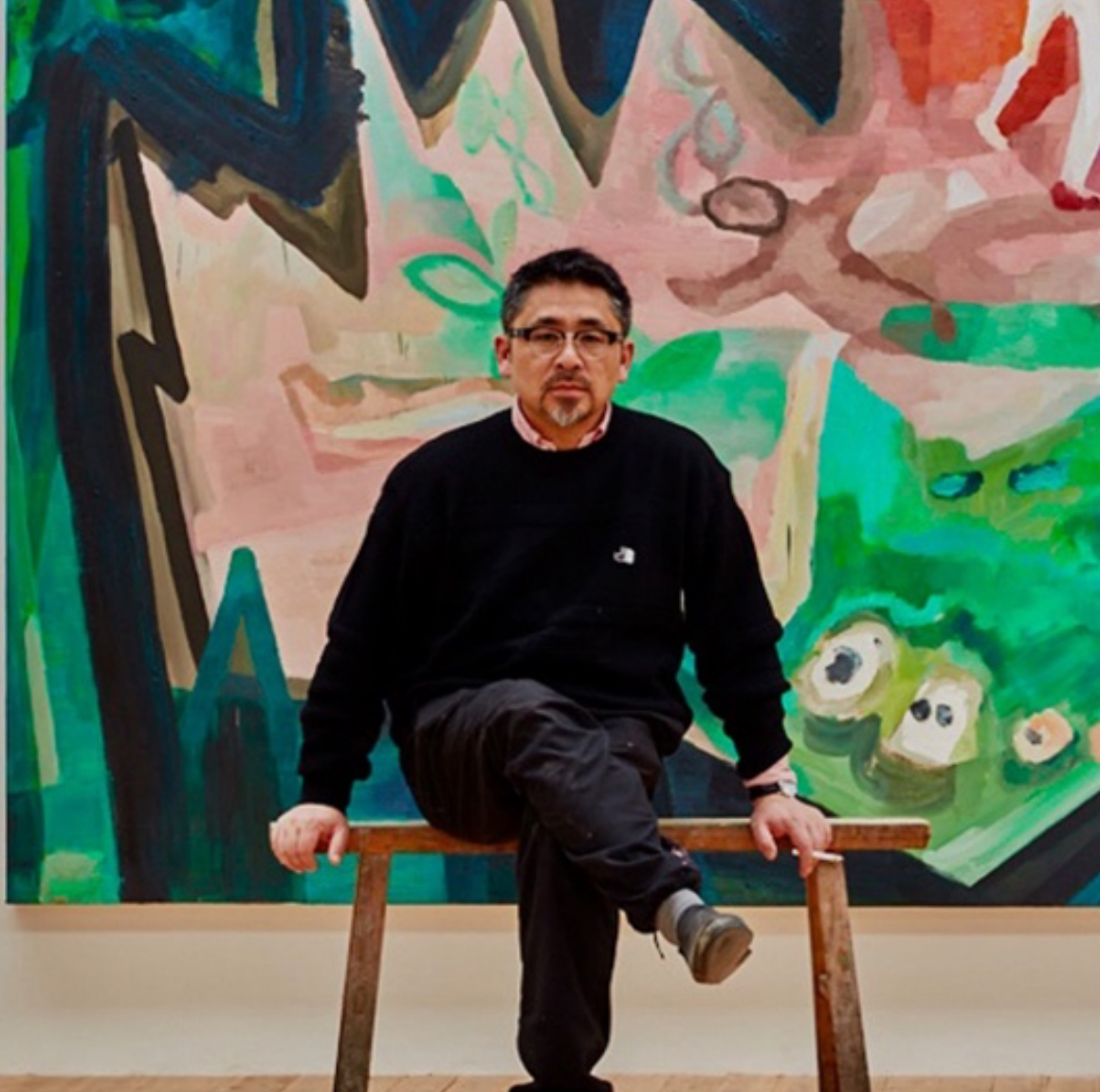
Gao Lei
Gao Lei was born in Changsha, Hunan Province in 1980. He graduated from the Digital Media Department of the Central Academy of Fine Arts in 2006 and currently lives and works in Shanghai.
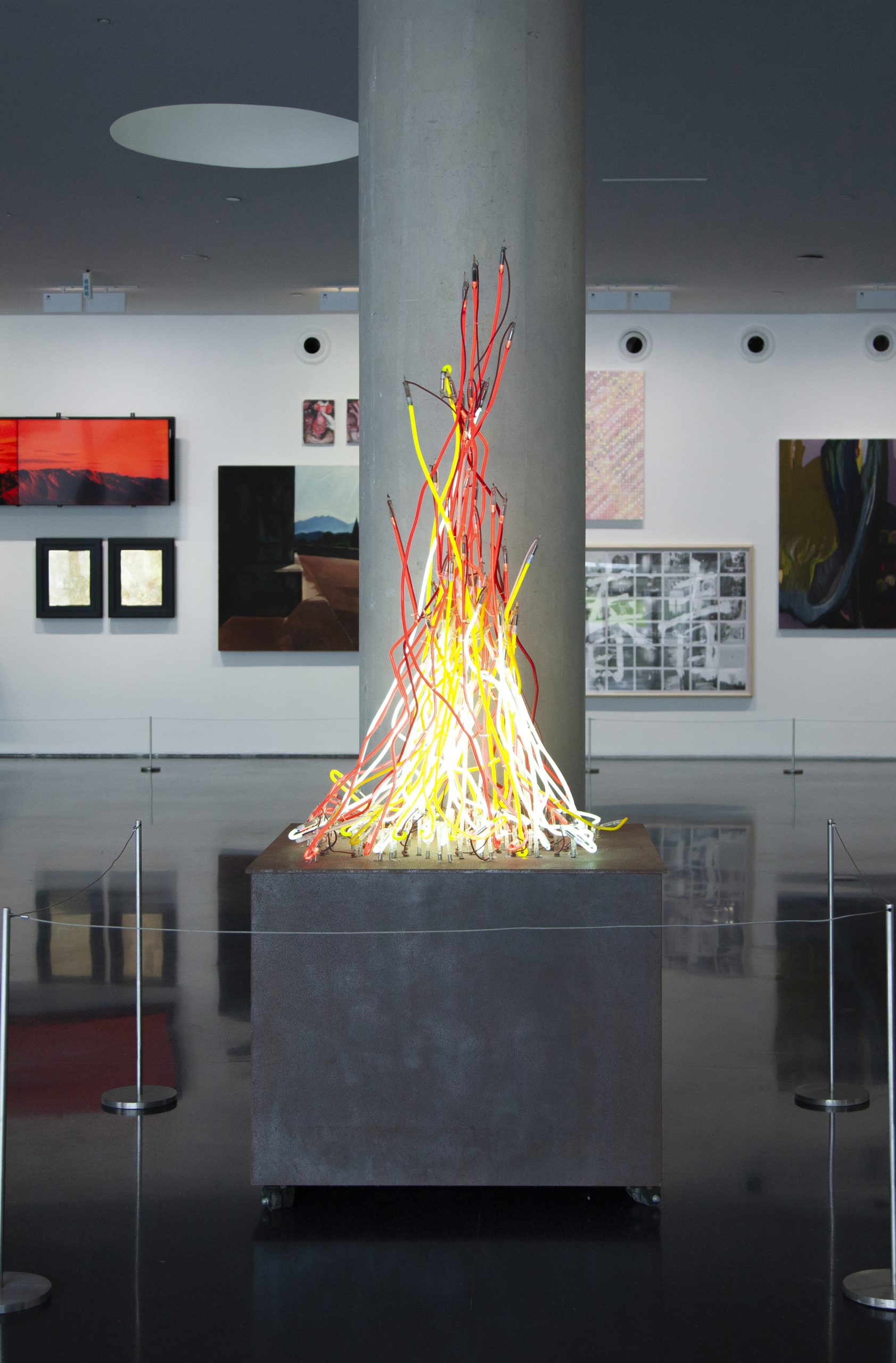
Gao Lei’s creations primarily concern how to present the confrontation and conflict between individual will and social systems as an orderly, calm, and non-violent materialized landscape. He extensively appropriates highly quotidian objects as creative materials, borrowing the “standardization” of everyday products as elements. On one hand, this references the orderly social system, using the contradictions and disparities generated by the interconnections and constraints between objects to depict the process of confrontation between the individual and power. On the other hand, it also allows the materialized specimens of power or individual monuments in his works to enter a virtual, constant mode after being detached from functionality and everyday wear and tear.
Gao Lei’s recent solo exhibitions include: “Carrier,” White Space, Beijing, 2013; “Gao Lei Solo Exhibition,” Arario Gallery, Shanghai, 2014; “Wild Field,” White Space, Beijing, 2016; “Gao Lei Solo Exhibition,” Asia Art Center, Taipei, 2017, among others. His group exhibitions include: “The New Normal: Art and China in 2017,” UCCA Center for Contemporary Art, Beijing, 2017; “Art Patrons,” Qiao Space, Shanghai, 2018; “Roots of the Clouds – This Shore: OCAT Nanjing Public Art Project 2019,” OCAT Nanjing Qixia Exhibition Area, Nanjing, 2019; and “The Evil of Being,” Hive Center for Contemporary Art, Beijing, 2020, among others.
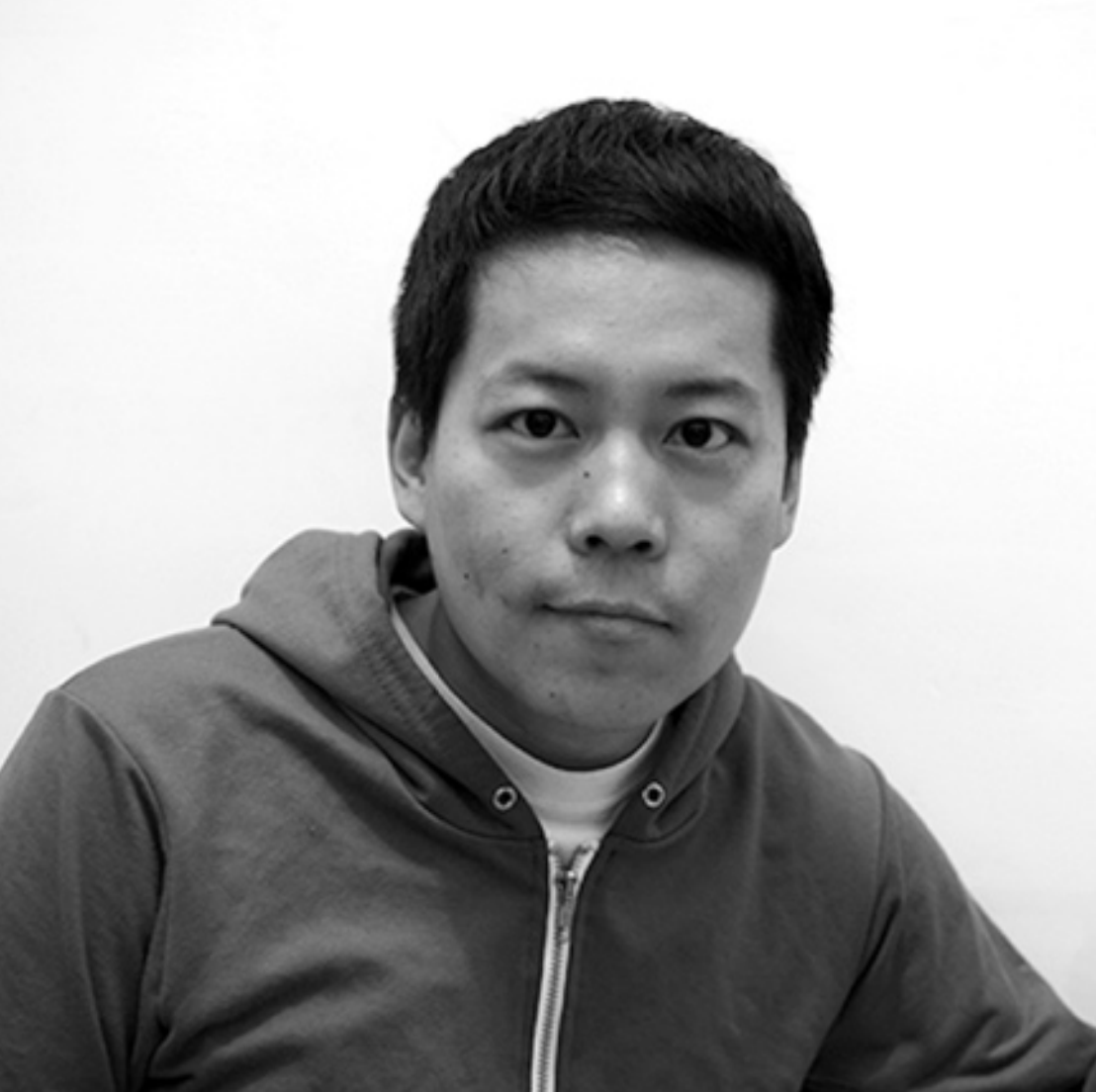
Han Bing
Han Bing was born in 1986. Her painting practice presents a transformative process evolving from the figurative to the abstract, blending the two. Figurative symbols, after undergoing multiple layers of filtration and refinement, are broken down into fragmented shards, giving rise to a novel and more diversified visual language.
Han Bing graduated from the Central Academy of Fine Arts and Parsons School of Design in New York. Her works have been exhibited at Galerie Marguo, Paris (solo exhibition, 2021); Andrew Kreps Gallery, New York (2021); UCCA Center for Contemporary Art, Beijing (2020); Antenna Space, Shanghai (solo exhibitions, 2020, 2017); Tilton Gallery, New York (2020); MakeRoom, Los Angeles (2019); Night Gallery, Los Angeles (solo exhibitions, 2018, 2014); Gallery Exit, Hong Kong (2018); D-Space, Beijing (solo exhibition, 2015); the 4th Sanya Art Season (2015); The Kitchen, New York (2013); and the National Art Museum of China (2008), among others.
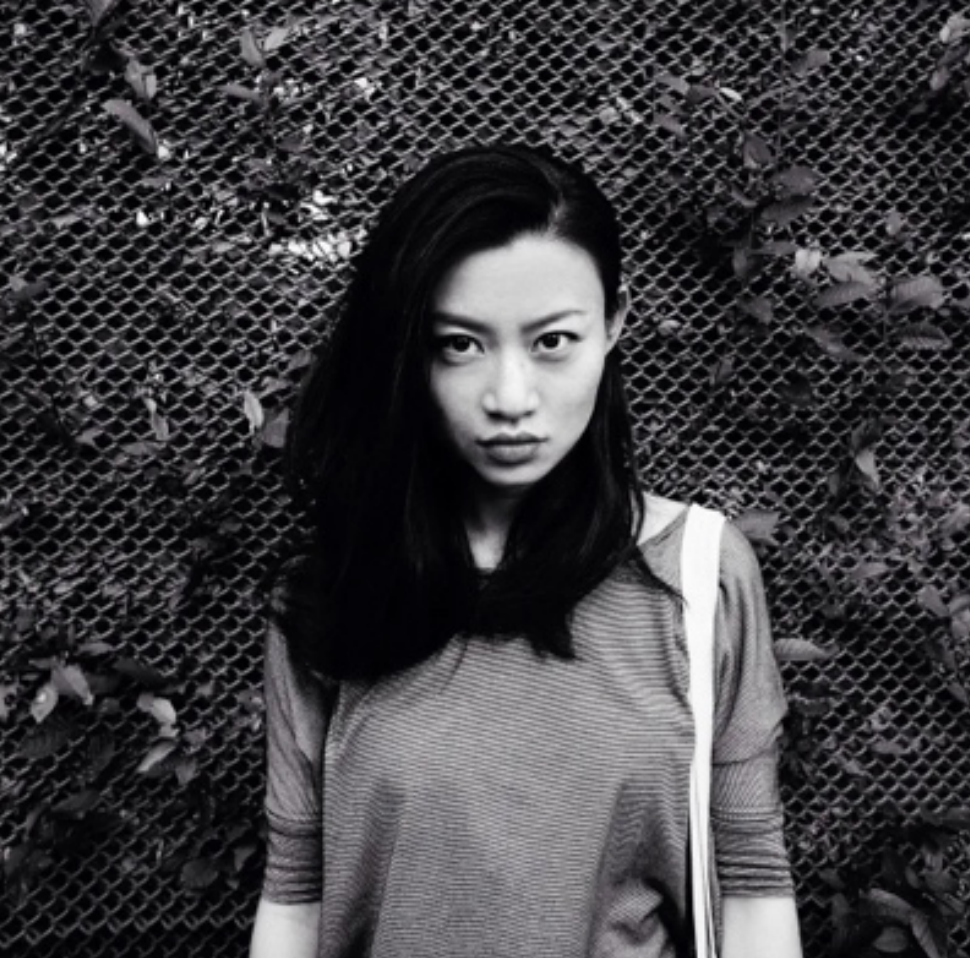
Han Jiaquan
Han Jiaquan was born in Zhoushan, Zhejiang Province, China in 1972. He graduated from the Oil Painting Department of the Central Academy of Fine Arts in 1998 and currently teaches at Donghua University. In presenting his works, Han Jiaquan strives to maintain the unique personality of each piece while achieving a neutral and unified overall aesthetic. He views this harmonization as a necessary process of synthesis and adjustment in creation.
Han Jiaquan’s works involve figures, landscapes, and scenes. In depicting real life, he has developed a unique personal artistic language and narrative. His paintings feature vigorous brushstrokes and textures capable of conveying emotion, with the artist endowing these images with layers of subtle relationships. As an artist, Han Jiaquan insists on expressing and channeling emotion from a neutral stance. Surveying the entirety of his creative output, these works use atypical, peculiar, contradictory, and extraordinary personal narratives to distance themselves from mainstream discourse. The unknown yet familiar spaces constructed in these images awaken the viewer’s forgotten memories, guiding them to revisit the hidden moments and experiences within their own hearts. By juxtaposing the natural with the artificial, the exposed with the concealed, the artist balances these conflicts, attempting to dissolve these ambiguous emotions on the canvas.
Han Jiaquan’s works have been exhibited at several important institutions, including “Passing Time,” SNAP Art Center, Shanghai, 2019; the solo project “Underground,” Arario Museum, Tapdong Cinema, South Korea, 2018; “Setting Up,” Arario Gallery, Shanghai, 2018; “Voice of Asia,” Arario Gallery, Shanghai, 2017; “We,” K11 Art Museum, Shanghai, 2016; “Small is Beautiful,” Jewelvary Art & Boutique, Shanghai, 2015; “Bloom,” Bloom Art Space, Shanghai, 2013; “Space,” M50 Art District, Shanghai, 2013; “Jungle II – A Thriving Morphology,” Platform China Contemporary Art Institute, Beijing, 2014; “Messy,” M50 Creative Park, Shanghai, 2013; “Race to the Ground,” H Gallery, Bangkok, Thailand, 2007; and “Mirroring Refined,” M50 Chao Gallery, Shanghai, 2006.
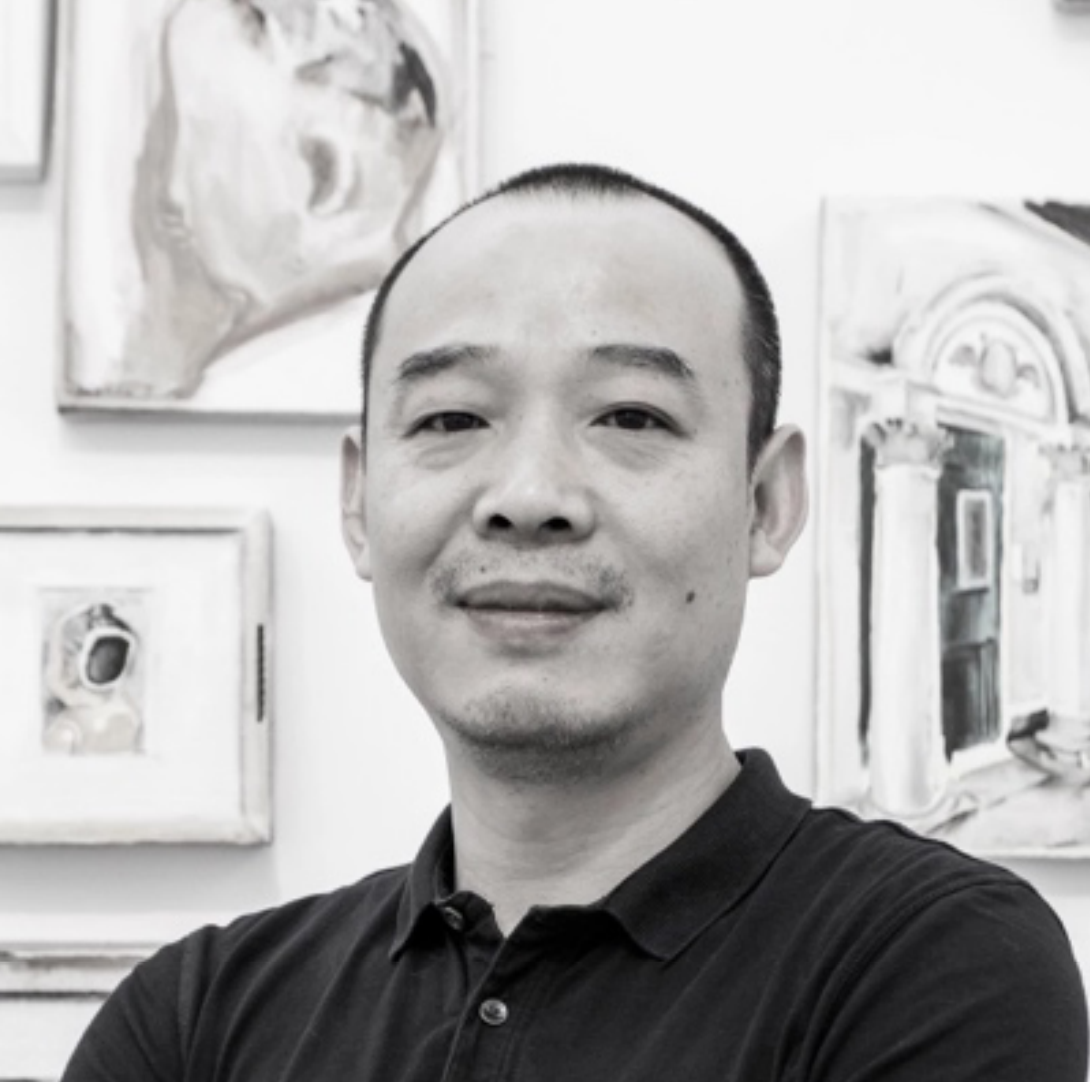
Hu Zi
Hu Zi was born in 1981. She graduated from the Integrated Painting Department of the China Academy of Art in 2007 with a Master of Fine Arts degree and currently lives and works in Shanghai. In 2006, during an exchange program at the École nationale supérieure des Beaux-Arts in Paris, Hu Zi completed a residency at the Cité Internationale des Arts in Paris. In 2014, she was selected for the Glenfiddich Artists in Residence program.
Hu Zi typically uses gouache but also works with oil paint, handling both mediums to achieve a semi-translucent texture. In her long-term portrait practice, she organizes personal experiences and constructs self-representation by creating a unique tactile quality for bodily contours, simultaneously integrating her understanding of foreign cultures and an asymmetric gaze towards the opposite sex. Her subjects include rock stars, literary giants, and influential artists who have impacted her.
Hu Zi’s solo exhibitions include “Stone Meat,” Don Gallery, Shanghai, 2018; “Mozart,” Studio D’Arte Raffaelli, Trento, Italy, 2017; “Lover,” Fab Union Space, Shanghai, 2016; “Meat,” Don Gallery, Shanghai, 2014; and “Kids,” Don Gallery, Shanghai, 2014, among others. She participated in the exhibition “The Jelly Generation” organized by the Shanghai Art Museum (2007), which toured to the Musée d’Art Contemporain de Lyon, France, and the Dreispitzhalle Art Center in Basel, Switzerland (2010).
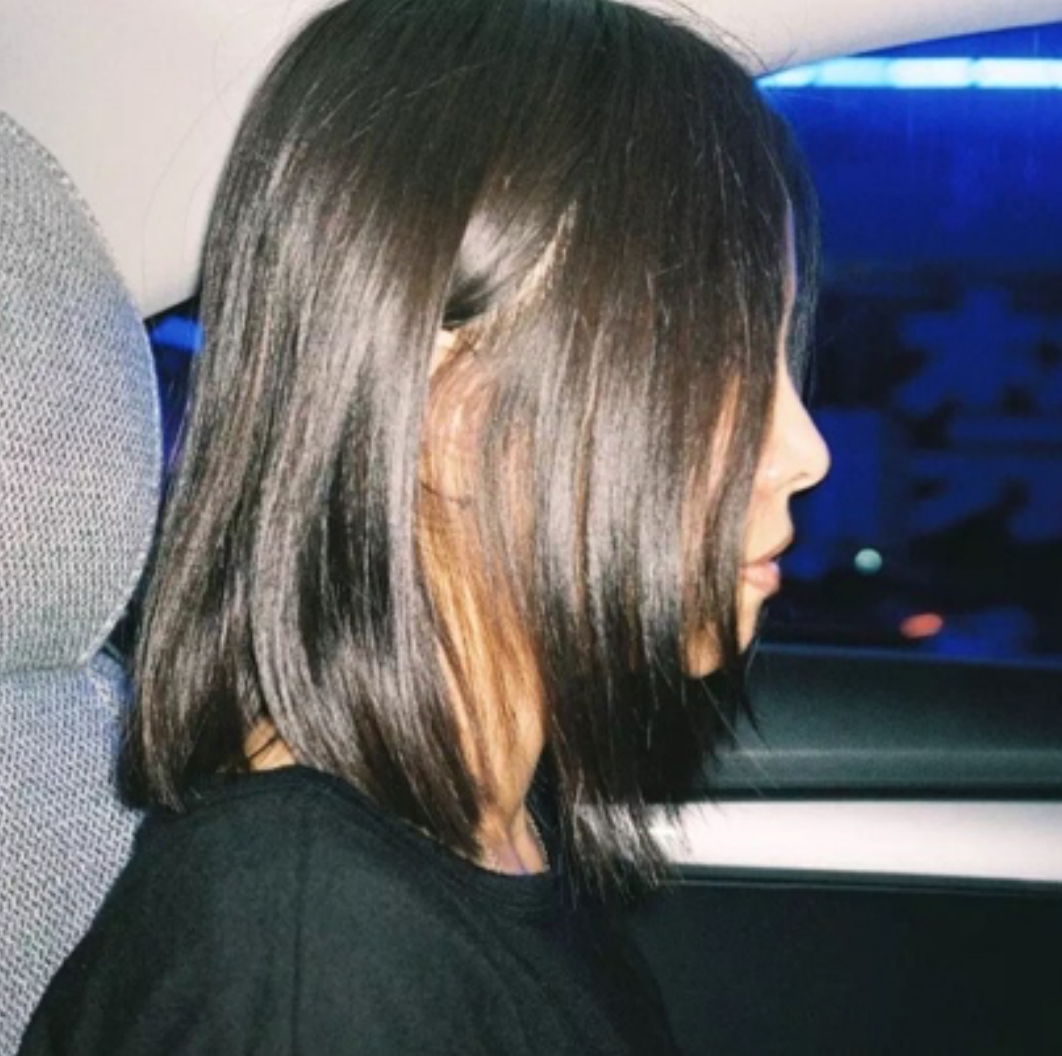
Lin Ke
Lin Ke was born in Wenzhou, Zhejiang Province in 1984. He received his Bachelor’s degree from the New Media Art Department of the China Academy of Art in 2008 and currently lives and works in Shanghai.
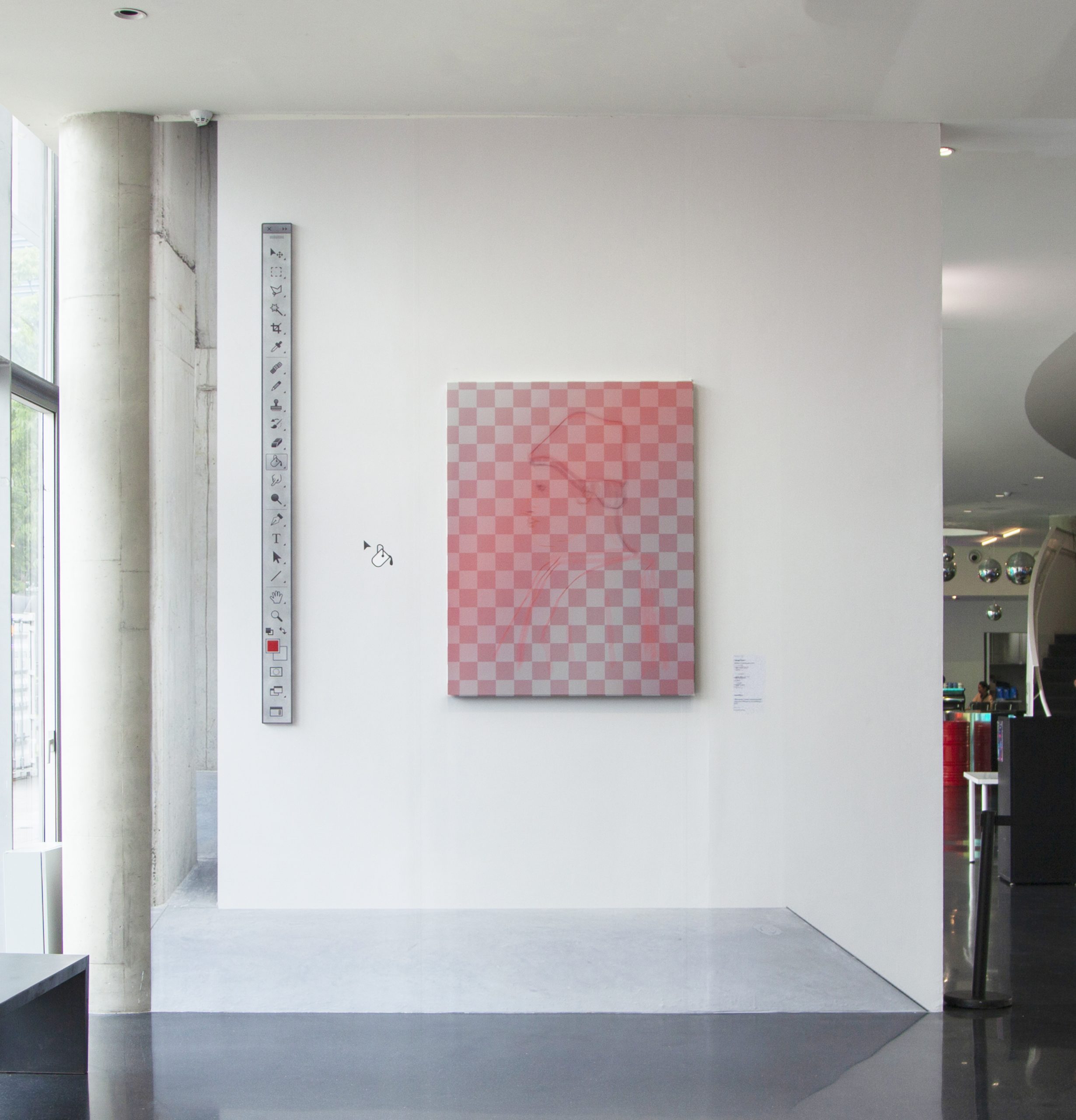
Starting in 2010, he began creating a series of video and image works related to computer operations. Lin Ke uses his Apple computer as his studio, improvising within the computer using the mouse and screen, recording with screen capture software; sometimes he also uses the computer’s built-in camera, treating the computer as his performance stage. In his works, Lin Ke uses computer software in unconventional ways, seeking new functions beyond their originally designed intentions, thereby liberating language from its basic communicative function to achieve poetry. If poetry expresses the pleasure of language, then Lin Ke’s works present the delight of the software user’s graphical interface.
Lin Ke’s first solo exhibition, “LinK,” was held at Yang Gallery in Beijing in 2014, showcasing the results of this series from the past few years. He received the OCAT-Pierre Huber Art Prize in 2014 and the 9th AAC Art China Young Artist of the Year Award in 2015. Lin Ke is also a member of the art collective Double Fly Art Center. He currently lives and works in Shanghai.
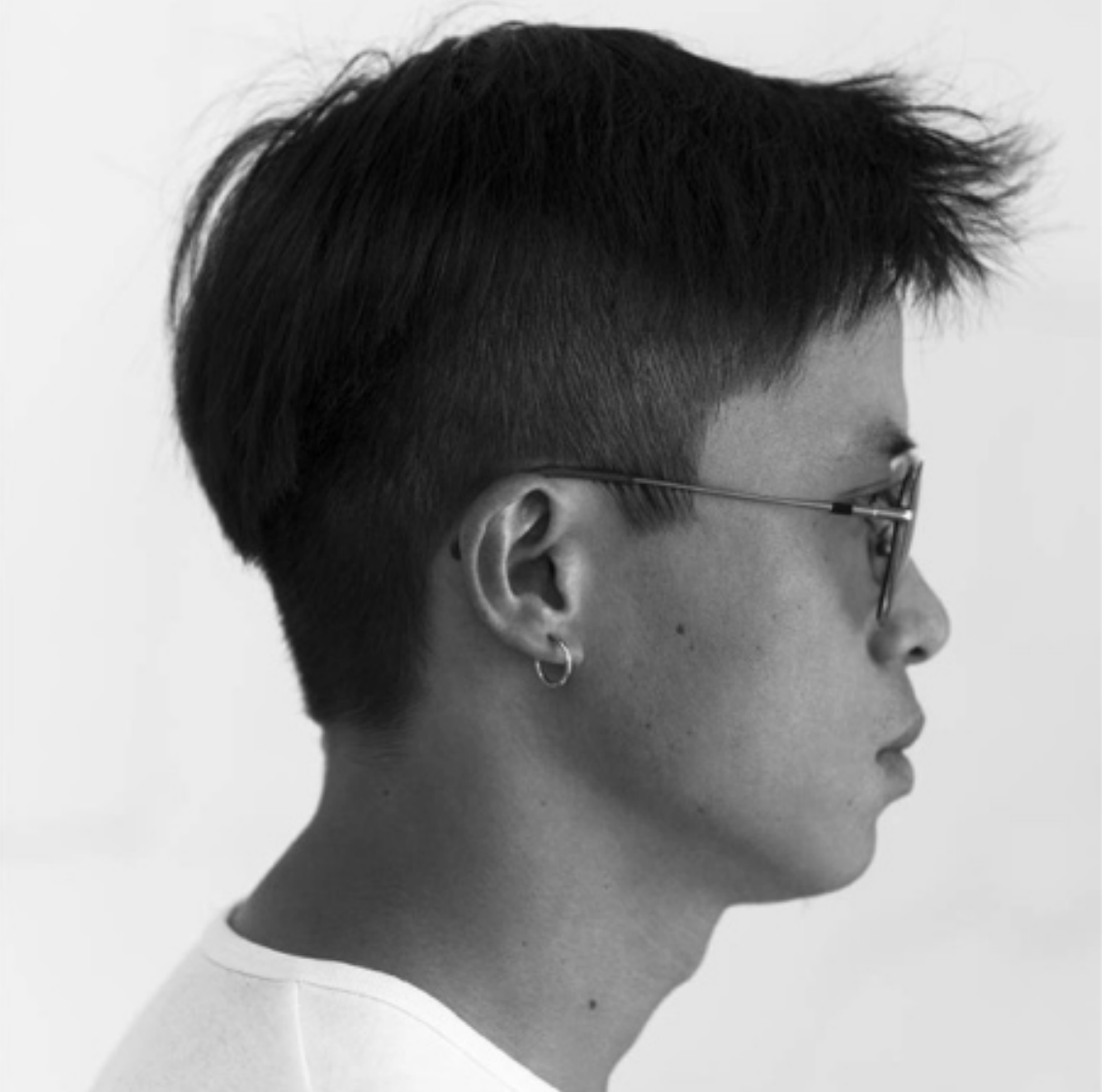
Liu Jianhua
Liu Jianhua was born in Ji’an, Jiangxi Province, China in 1962. He graduated from the Sculpture Department of the Art Faculty at Jingdezhen Ceramic Institute (now Jingdezhen Ceramic University) in 1989. He taught in the Sculpture Department of the Fine Arts College at Yunnan Arts University in Kunming from 1989 to 2004 and has been teaching in the Sculpture Department of the Shanghai Academy of Fine Arts at Shanghai University since July 2004. He currently lives and works in Shanghai, China.
Liu Jianhua, who primarily uses mixed media in his creations, is one of the most experimental and representative artists in the field of Chinese contemporary art. His ceramic and mixed-media works reflect the economic and social changes that have persistently troubled China in recent years. His *Everyday Fragile* series was first exhibited in the China Pavilion at the 2003 Venice Biennale, where Liu replicated everyday objects into mysterious entities whose appearance and symbolism outweigh their practicality. In 2008, departing from his previous years of direct, close-range focus on issues arising from globalization and China’s rapid social transformation, he proposed the concept of “no meaning, no content” for his creations. Starting with the 2008 work *Untitled*, he began exploring a completely new direction, forming a personal language system for contemporary art creation.
Liu Jianhua’s works have been invited to exhibitions including the 2020 touring exhibition at the Smart Museum of Art, University of Chicago; the 2019 touring exhibition at the Los Angeles County Museum of Art; the 2018 solo exhibition at the Made in Cloister Foundation, Naples, Italy; the themed exhibition on Minimalism at the National Gallery Singapore; the 57th Venice Biennale’s main exhibition “Viva Arte Viva,” 2017; the 6th Echigo-Tsumari Art Triennale, Japan; the 1st Kyiv International Biennale of Contemporary Art; the 14th International Sculpture Biennale of Carrara, Italy; the 17th Biennale of Sydney; the 2009 Vancouver Biennale, Canada; the 3rd Nanjing Triennial; the 2nd Moscow Biennale; the 1st Singapore Biennale; the 6th Shanghai Biennale; the 2006 Busan Biennale; and the China Pavilion at the 50th Venice Biennale. His works have also been featured in exhibitions held by institutions such as Tate Modern, London; Centre Pompidou, Paris; Asian Art Museum of San Francisco; ARoS Aarhus Art Museum, Denmark; Mori Art Museum, Tokyo; Tate Liverpool; UCCA Center for Contemporary Art, Beijing; Power Station of Art, Shanghai; Kunstmuseum Bern, Switzerland; Hong Kong Arts Centre; Today Art Museum, Beijing; Shanghai Art Museum; Museum of Contemporary Art, Shanghai; OCT Art & Design Gallery, Shenzhen; Staatliche Kunstsammlungen Dresden, Germany; Shenzhen Art Museum; Guangdong Museum of Art; National Art Museum of China, Beijing; Groninger Museum, Netherlands; Museum moderner Kunst Stiftung Ludwig Wien, Austria; Cobra Museum of Modern Art, Netherlands; Museum ESSL, Austria; Kunstverein in Hamburg, Germany; Irish Museum of Modern Art, Dublin; and Musée d’Art Moderne de Marseille, France.
Liu Jianhua’s works are also held in the collections of public institutions and private collectors, including the Los Angeles County Museum of Art; Centre Pompidou, Paris; The Museum of Modern Art, New York; Tate Modern, London; Victoria and Albert Museum, London; Asian Art Museum of San Francisco; USC Pacific Asia Museum, Pasadena; White Rabbit Gallery, Sydney; Dior Paris Headquarters; LVMH Art Foundation; Museo Salvatore Ferragamo, Florence; K11 Art Foundation; KODE Art Museums of Bergen, Norway; M+, Hong Kong; Yuz Museum, Shanghai; Shanghai OCT Harbour; Towada Art Center, Japan; Solomon R. Guggenheim Museum, New York; Art Gallery of New South Wales, Sydney; Organizing Committee of the Shanghai World Expo; Shanghai World Financial Center, Lujiazui; Museo Centro de Arte Banco de España, Madrid; Today Art Museum, Beijing; Shenzhen Art Museum; Guangdong Museum of Art; Queensland Art Gallery, Australia; Hara Museum of Contemporary Art, Japan; The China Club, Hong Kong; and He Xiangning Art Museum, Shenzhen.
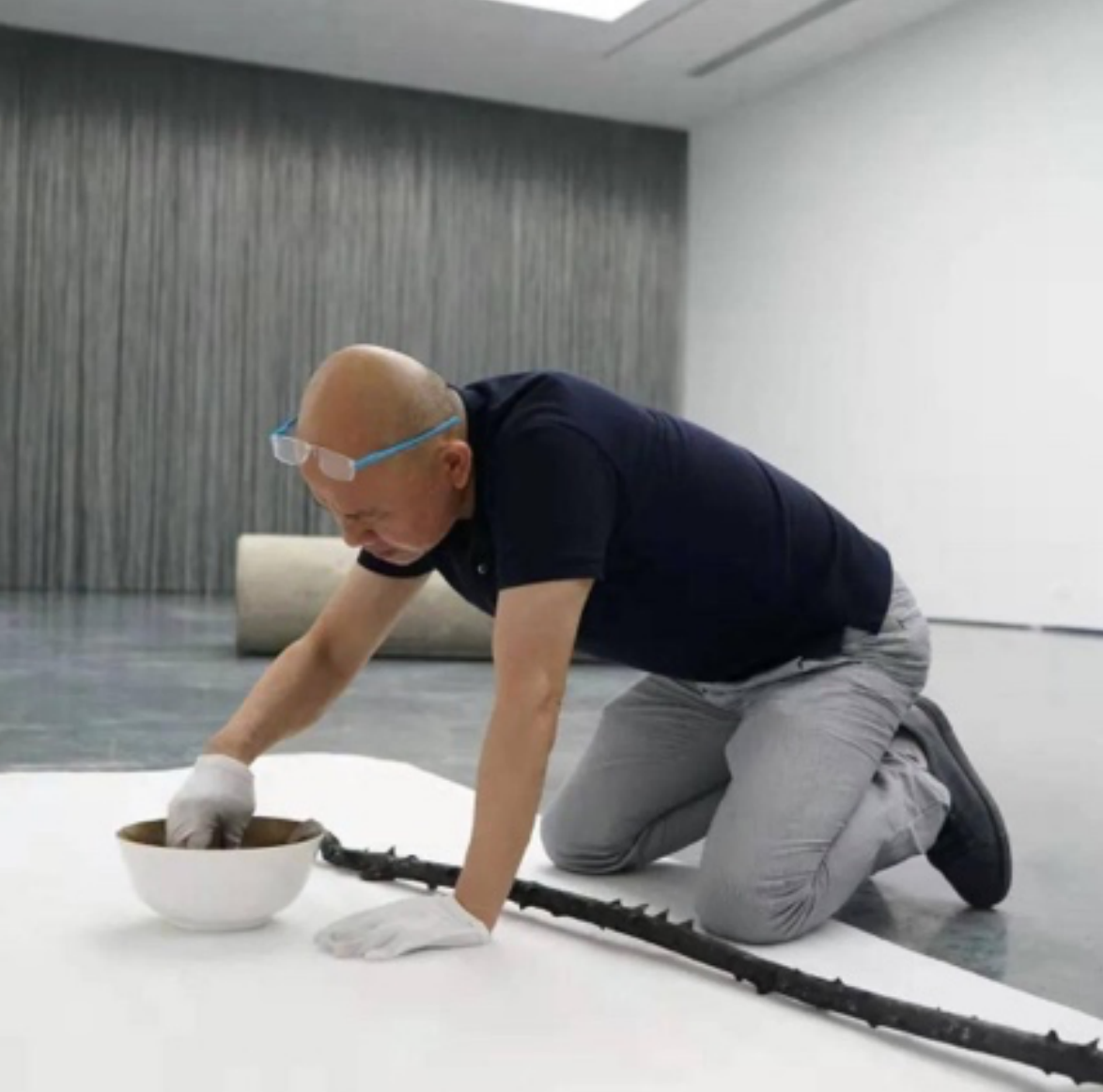
Birdhead
Birdhead was founded in 2004 and consists of Song Tao (born 1979) and Ji Weiyu (born 1980). They live and work in Shanghai. The name “Birdhead” originated from a random keystroke made while naming a file. Birdhead uses photography as the foundation of their creative practice but is not confined by it. Their lens captures anything within reach, gradually internalizing reflections on their own growth into their visual context. They combine various approaches to using photographs—such as photo matrices, collage, framing, installation, and photobooks—to present multiple, self-renewing and evolving “Birdhead worlds” across different exhibition spaces and environments.
Birdhead’s exhibitions include: “City on the Edge: Art and Shanghai at the Turn of the Millennium,” UCCA Edge, Shanghai, 2021; “The Waves,” Power Station of Art, Shanghai, 2020; “Living Cities,” Tate Modern, London, UK, 2017; the 7th Bi-City Biennale of Urbanism\Architecture (Shenzhen), 2017; the 6th Moscow Biennale, Moscow, Russia, 2015; they were nominated for the inaugural HUGO BOSS ASIA ART Award in 2013; “New Photography 2012,” MoMA, New York, USA, 2012; “Reactivation”—the 9th Shanghai Biennale, Power Station of Art, Shanghai, 2012; “ILLUMInations,” the 54th Venice Biennale Main Exhibition, Venice, Italy, 2011; “Artist File 2011” at the Annual Contemporary Art Exhibition, The National Art Center, Tokyo, Japan, 2011; “China Power Station: Part II,” Astrup Fearnley Museum of Modern Art, Oslo, Norway, 2007; among others.
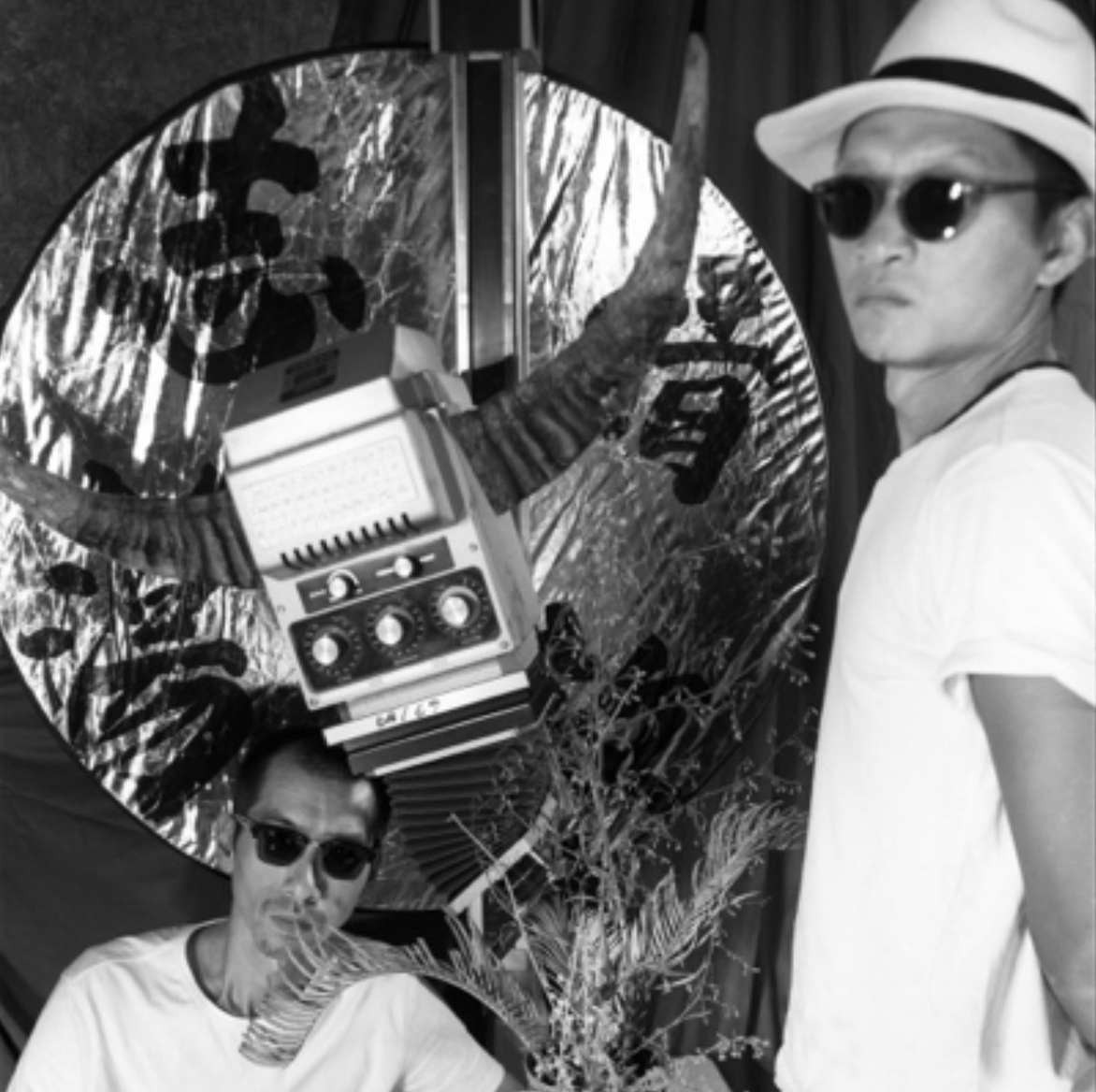
Qu Fengguo
Qu Fengguo was born in 1966. He graduated from the Stage Design Department of Shanghai Theatre Academy in 1988 and currently lives and works in Shanghai, teaching at his alma mater.
Qu Fengguo’s works have been exhibited at numerous art institutions both in China and abroad, including the China Art Museum (Shanghai, 2016), Mingyuan Art Museum (Shanghai, 2013), Contemporary Art Institute (Sapporo, 2010), National Art Museum of China (Beijing, 2008), Irish Museum of Modern Art (Dublin, 2004), Kunsthalle Wien (Austria, 2002), Montclair State University Art Galleries (New Jersey, 2000), the 3rd Shanghai Biennale (Shanghai, 2000), Liu Haisu Art Museum (Shanghai, 1997), and Yokohama Museum of Art (Yokohama, 1993), among others. His solo exhibitions include “Midsummer,” Don Gallery, Shanghai, 2017; “Yayoi,” Don Gallery, Shanghai, 2016; “Grain Rain,” Yulangtang, Beijing, 2015; “Grain Full,” Don Gallery, Shanghai, 2013; “Boundless Scenery,” Beijing Art Now Gallery, Beijing, 2007; and others.
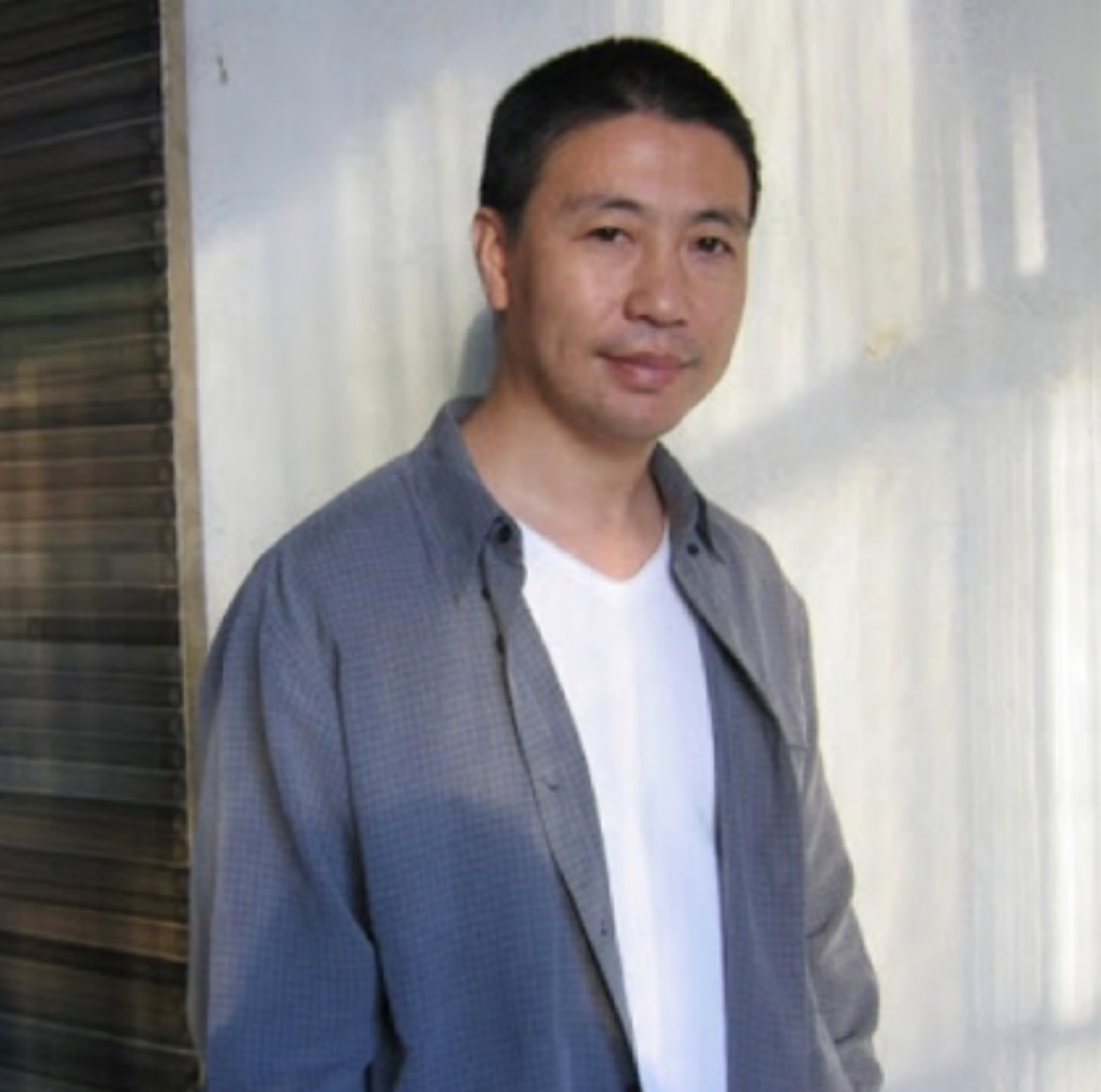
Shi Yong
Shi Yong was born in Shanghai in 1963. He graduated from the Art Department of Shanghai Light Industry College in 1984 and currently lives and works in Shanghai.
As one of the early representatives in China working with installation and video media, Shi Yong’s works have been extensively exhibited both domestically and internationally since 1993. His early creations aimed to reveal the ideologies within reality. Starting in the 1990s, his focus shifted to the transformation of contemporary Shanghai under the narrative of reform and opening-up, later expanding to more macro-level themes such as globalization and consumer culture. In 2006, beginning with the work “2007 No Kassel Documenta,” Shi Yong turned his critical gaze onto the art world itself, contemplating how to resist by “suspending” artistic production. His 2015 solo exhibition, “Let All Possibilities Be Resolved Internally in a Beautiful Form,” not only continued his previous work but also conveyed his future intent to explore reflections and practices on “control” beneath a surface of “abstraction.”
His works have been featured in the following exhibitions: “Continuous Renewal: Changing Chinese Art,” Minsheng Art Museum, Beijing, 2020; “The Red Fairy Tale,” National Gallery of Victoria (NGV), Melbourne, Australia, 2019; “Everything is Possible (Solo Exhibition),” Yell Space, Shanghai, 2018; “Release a Bird from the Top of a Tower (Solo Exhibition),” OCAT Boxes Art Museum, Foshan, 2018; “This is Shanghai, Contemporary Chinese Art Exhibition,” Liverpool, UK, 2018; “Shi Yong: Under the Rules (Solo Exhibition),” ShanghART, 2017; Ural Industrial Biennial of Contemporary Art, Yekaterinburg, Russia, 2015; “Let All Possibilities Be Resolved Internally in a Beautiful Form (Solo Exhibition),” MadeIn Gallery, 2018; “The Absent Museum Project,” IKON Gallery, Birmingham, UK, 2014; “Think It Over, What Exactly Did You Do Yesterday? (Solo Exhibition),” BizArt Art Center, 2007; “Do They All Look the Same?,” Fondazione Sandretto Re Rebaudengo, Turin, Italy, 2006; The 2nd Guangzhou Triennial, Guangdong Museum of Art, 2006; “Indescribable Happiness,” Museo Tamayo Arte Contemporáneo, Mexico City, 2005; “Follow Me!,” Mori Art Museum, Tokyo, 2005; “Heaven on Earth (Solo Exhibition),” ShanghART Gallery, 2004; The 25th São Paulo Art Biennial, São Paulo, Brazil, 2002; “Money & Value – The Last Taboo,” Switzerland, 2002; The 4th Shanghai Biennale, Shanghai Art Museum, 2002; “L’Europe des Génies,” Museum Boijmans Van Beuningen, Rotterdam, The Netherlands, 2001; “Living in Time,” Hamburger Bahnhof – Museum für Gegenwart, Berlin, Germany, 2001; The 3rd Asia-Pacific Triennial of Contemporary Art, Queensland Art Gallery, Brisbane, Australia, 1999; “Supermarket: Contemporary Art Exhibition,” Shanghai, 1999; “Cities on the Move (1-6),” Secession, Vienna, Austria; CAPC Musée d’art contemporain de Bordeaux, France; P.S.1 Contemporary Art Center, New York, USA; Louisiana Museum of Modern Art, Humlebæk, Denmark; Hayward Gallery, London, UK; Kiasma Museum of Contemporary Art, Helsinki, Finland, 1997-1999; “Two Attitudes Towards Image ’93,” Huashan Art School Gallery, Shanghai, 1993, among others.
Shi Zheng
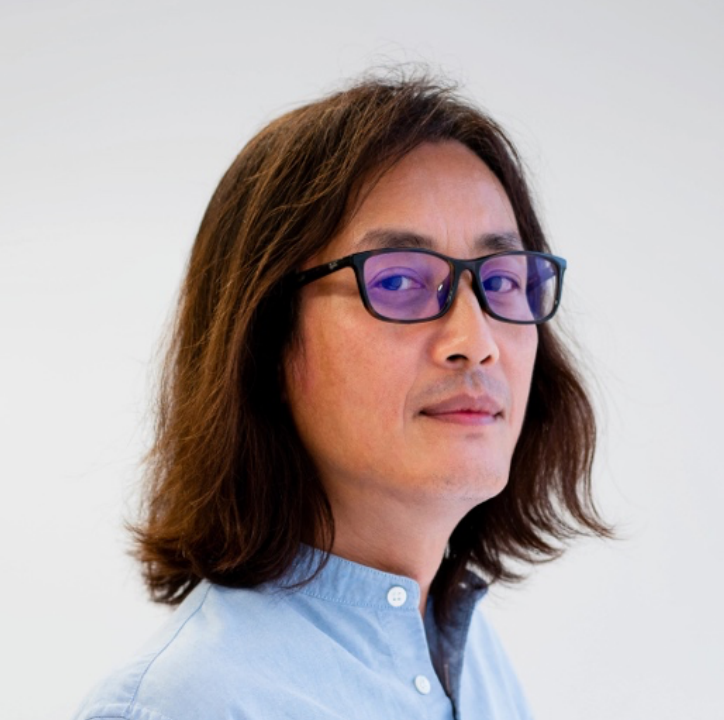
Shi Zheng was born in Jiangsu in 1990. He graduated from the School of Intermedia Art at the China Academy of Art in 2014 and received a Master of Fine Arts degree from the School of the Art Institute of Chicago in 2019. He currently lives and works in Shanghai and New York.
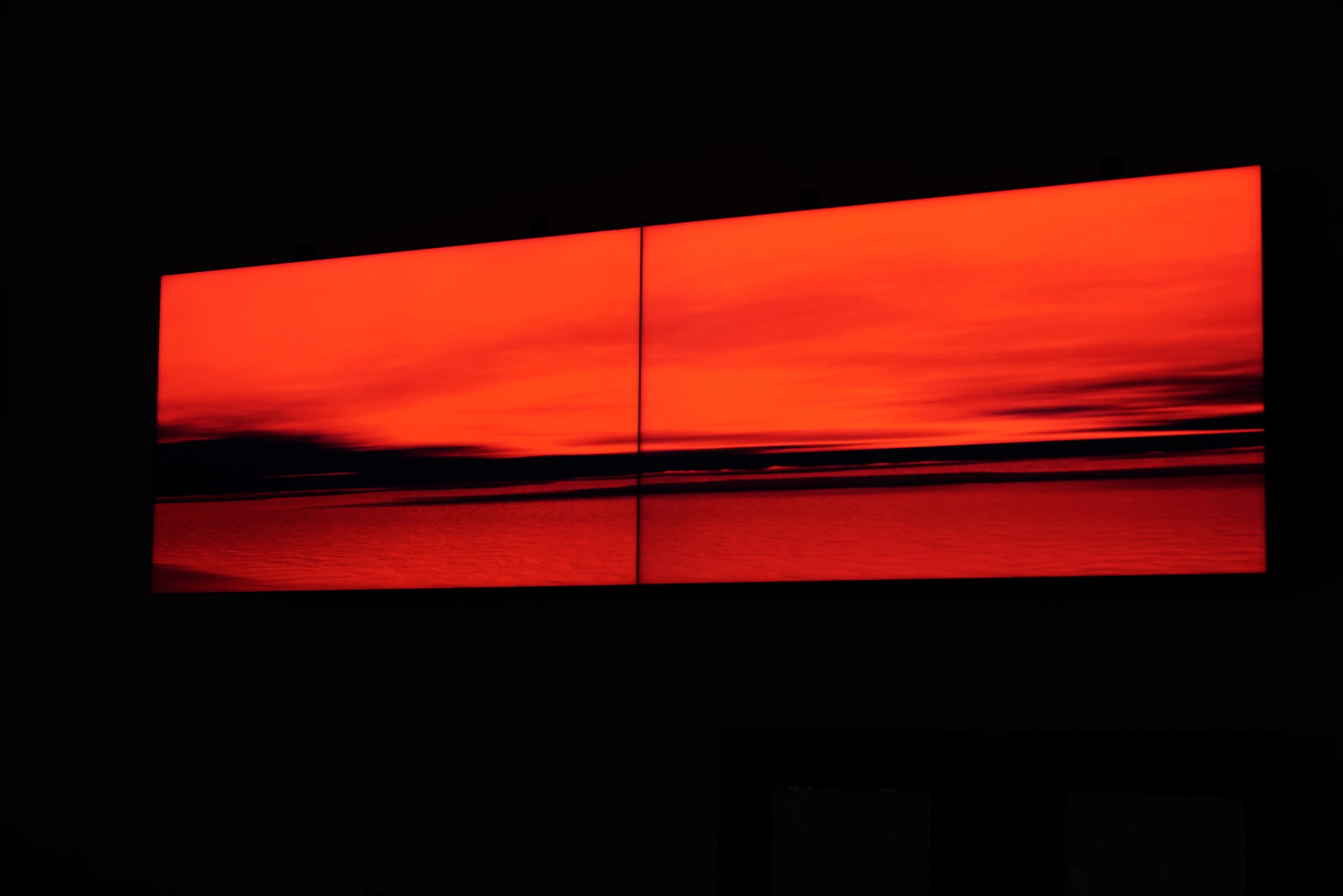
As a media artist, Shi Zheng’s creative practice spans electronic music, audio-visual installations, and live performances. His works often employ computer technology to amplify the audience’s synesthetic audiovisual experience, wherein sound and image are two integral and inseparable aspects of a unified whole. Beginning with his work *Offset* (2014), he has become increasingly engrossed in the virtual landscapes constructed within screens. In these fully computer-generated virtual worlds, he is not merely a creator but more like a wanderer who has fallen into them, ultimately fusing granulated sound and imagery to convey the solitary and desolate sensations unique to his explorations. In his recent research and creative work involving deep learning and neural networks, the piece *Frosty Morning* (2019) attempts to explore the “latent time” behind computer vision from a perspective of philosophy of technology.
While focusing on his individual creations, Shi Zheng also collaborates with leading artists in his field. In 2013, he co-founded the media art collective RMBit (Renmin Bit) with Nenghuo, Wang Zhipeng, and Weng Wei, producing works that engage with contemporary social media phenomena. He and Nenghuo are also members of the audio-visual performance group OSC (Open Super Control).
His individual and collaborative works have been featured in numerous important museums, art institutions, and media art festivals both in China and internationally, including the Museum of Contemporary Art Yinchuan; Sound Art China; FILE Electronic Language International Festival; Ars Electronica (Austria); Institute of Contemporary Arts (London, UK); Castello di Rivara Museum of Contemporary Art (Turin, Italy); The Lumen Prize (London, UK); 21st Century Minsheng Art Museum (Shanghai); and OCAT Contemporary Art Terminal Shenzhen.
Xiao Jiang
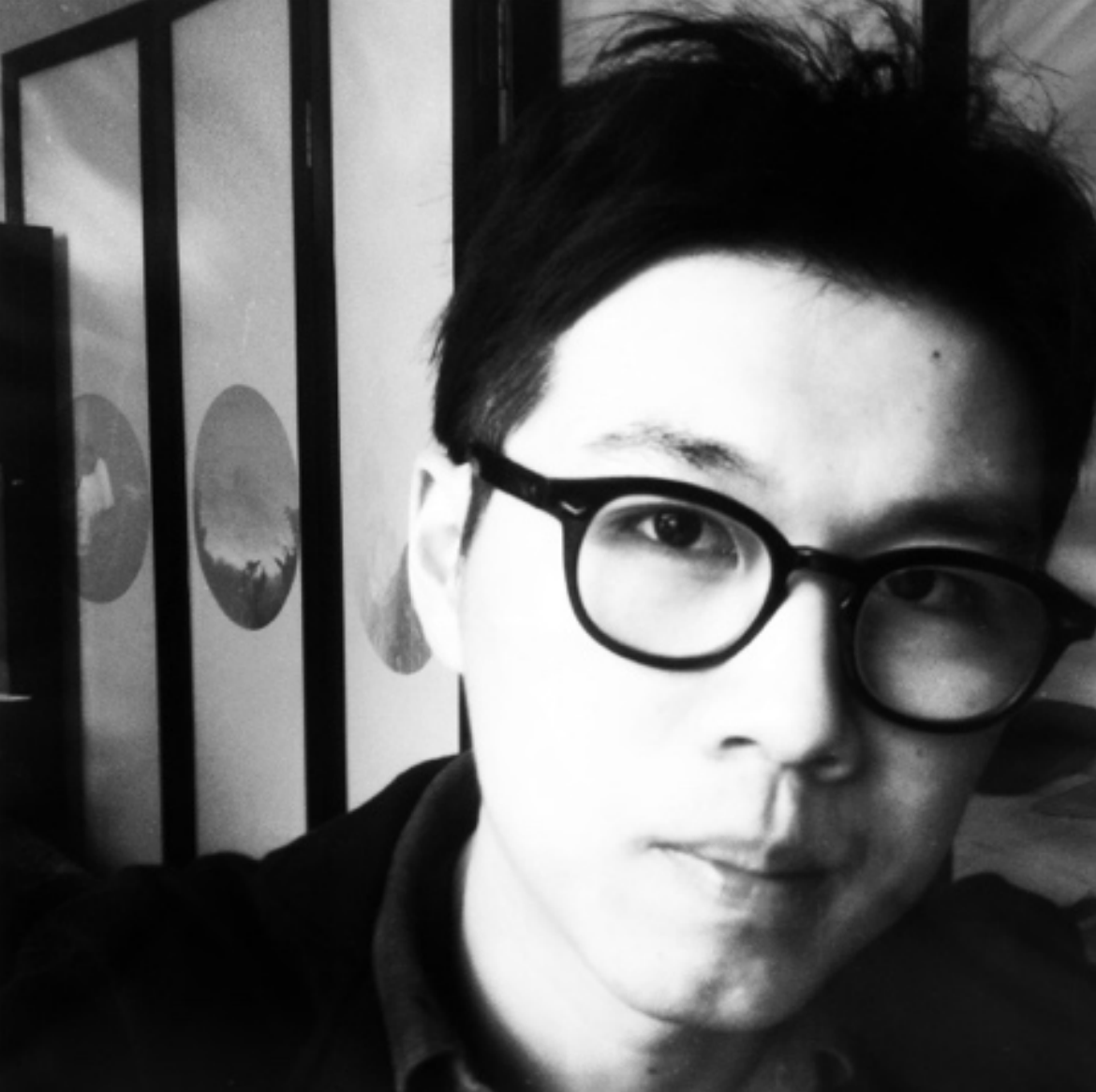
Xiao Jiang was born in Jinggangshan, Jiangxi Province in 1977. He studied at the Oil Painting Department of the China Academy of Art from 2000 to 2003 and currently lives and works in Shanghai.
His recent solo exhibitions include: “Ordinary Matters,” Galerie du Monde, Hong Kong, China, 2020; “Within Sight,” Vanguard Gallery, Shanghai, China, 2018; “Within These Mountains,” Mocube, Beijing, China, 2017. He has also participated in the following group exhibitions: “Decoherence,” ShanghART M50, Shanghai, China, 2017; “Keep Walking: Urban Narratives in Chinese Contemporary Art 1995-2019,” Shanghai Duolun Museum of Modern Art, Shanghai, China, 2019; “The Kind Strangeness—The Inaugural Exhibition of UNArt Center,” UNArt Center, Shanghai, China, 2019; “Fervent,” BIG SPACE x Chino Gallery, Shanghai, China, 2019; “Summer Group Exhibition—To Youth,” Platform China Contemporary Art Institute, Beijing, China, 2019.
Xu Zhen
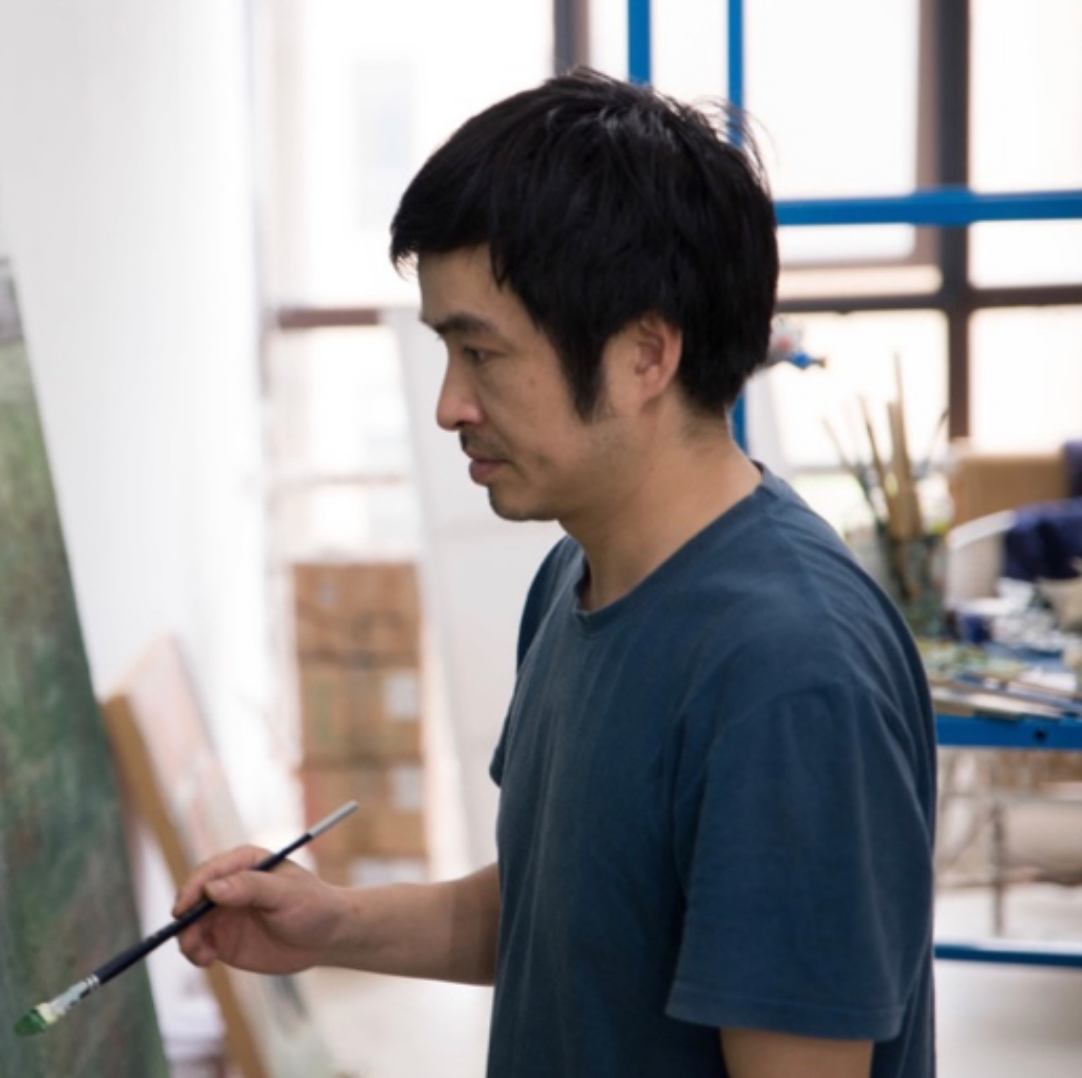
Xu Zhen was born in Shanghai in 1977 and currently lives and works there.
Xu Zhen is a seminal figure in the field of Chinese contemporary art. In 2004, he received the “Best Artist” award from the Chinese Contemporary Art Award (CCAA) and participated in the thematic exhibition of the 49th Venice Biennale (2001) as a young Chinese artist. His artistic practice is exceptionally broad, encompassing installation, photography, video, and performance.
His works have been exhibited in museums and biennales worldwide, including the Venice Biennale (2001, 2005); The Museum of Modern Art (MoMA), New York (2004); International Center of Photography, New York (2004); Mori Art Museum, Tokyo, Japan (2005); MoMA PS1, New York (2006); Tate Liverpool, UK (2007); Hayward Gallery, London, UK (2012); Lyon Biennale, France (2013); The Armory Show, New York (2014); Long Museum, Shanghai (2015); Al Riwaq Art Centre, Qatar (2016); Sydney Biennale, Australia (2016); Solomon R. Guggenheim Museum, New York (2017); Sharjah Biennial, UAE (2019); Museum of Contemporary Art (MOCA), Los Angeles (2019); and National Gallery of Australia, Canberra (2020), among others.
Beyond his identity as an artist, he is also a curator and the founder of MadeIn Company. In 1998, Xu Zhen co-founded BizArt Art Center, Shanghai’s first independent non-profit art institution. In 2006, together with fellow Shanghai artists, he established the online art community Art-Ba-Ba (www.art-ba-ba.com), which remains one of China’s most active platforms for discussing and critiquing contemporary art. In 2009, Xu Zhen founded the contemporary art production company MadeIn Company, which focuses on generating artistic creativity and is dedicated to exploring the limitless possibilities of contemporary culture. In 2013, MadeIn Company launched the brand Xu Zhen®, focusing on art creation and new cultural research and development. In 2014, MadeIn Gallery was established to promote artists comprehensively and lead cultural trends. In November 2016, the first “Xu Zhen® Store” opened in Shanghai, marking a new developmental stage for the brand.
Yang Fudong
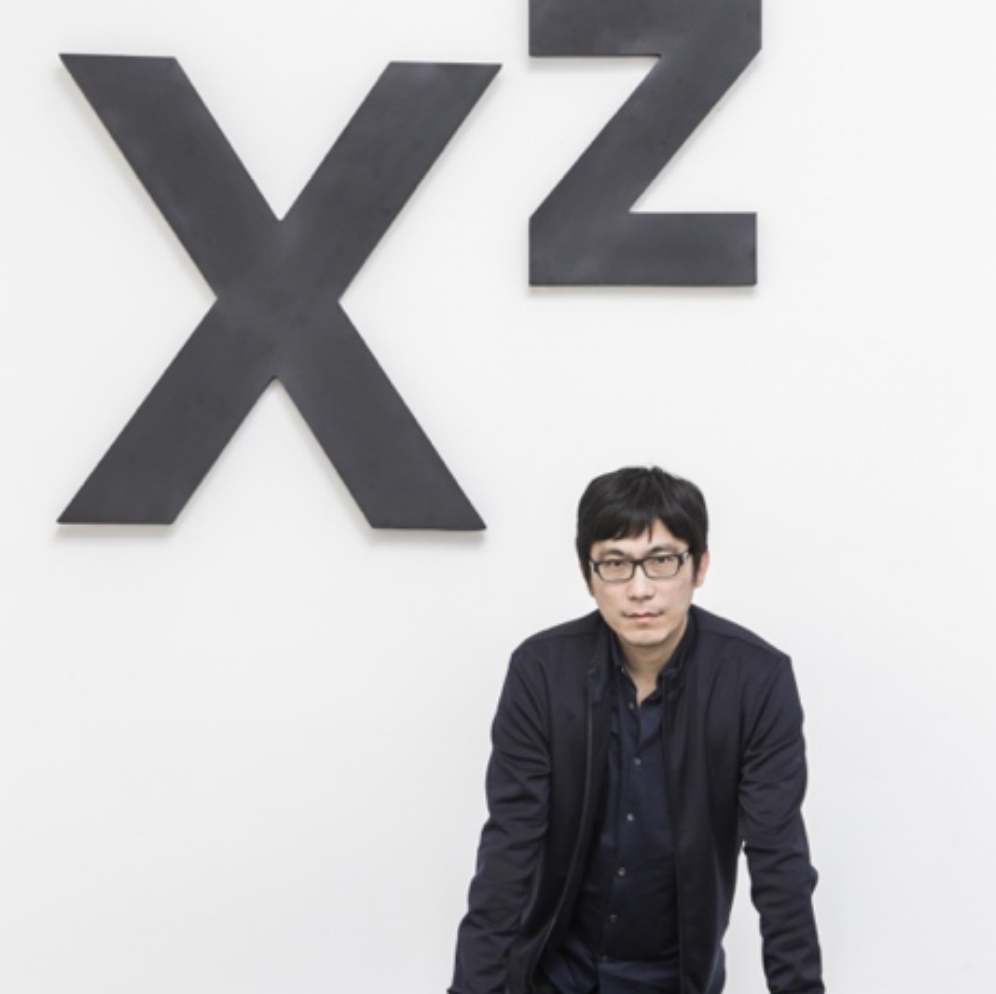
Yang Fudong was born in Beijing in 1971. A graduate of the Oil Painting Department at the China Academy of Art, he is acclaimed as one of the most influential contemporary artists in China. Since the late 1990s, Yang Fudong has been creating works with moving images. Whether in photography, painting, film, or installation, his works form a unique cultural and visual interpretation through multiple cultural perspectives and layered experiences of time and space.
With his highly distinctive film and video installations, Yang Fudong has held numerous exhibitions at major museums and art institutions worldwide, including the Suzhou Museum (2019); Solomon R. Guggenheim Museum, New York (2017); Fondation Louis Vuitton, Paris (2016); The Metropolitan Museum of Art, New York (2013); Tate Liverpool, UK (2007); Tate Modern, London, UK (2004); and Centre Pompidou, Paris (2003), among others. He has also participated in the 12th Lyon Biennale (2013); the 11th Sharjah Biennial (2013); the 17th Biennale of Sydney (2010); the 52nd Venice Biennale (2007); the 5th Asia Pacific Triennial of Contemporary Art (2006); Liverpool Biennial (2004); the 50th Venice Biennale (2003); documenta 11, Kassel (2002); the 4th Shanghai Biennale (2002); and the 7th Istanbul Biennial (2001).
Furthermore, his solo exhibitions at internationally renowned art institutions and galleries include “Endless Peaks,” ShanghART Gallery, Shanghai, 2020; “Dawn Blossoms Plucked at Dusk,” Long Museum (West Bund), Shanghai, 2018; “The Foolish Old Man Removes the Mountains,” Shanghai Center of Photography, Shanghai, 2016; “Yang Fudong: South of the Clouds,” Yuz Museum, Shanghai, 2015; “The Light That I Feel,” SALT Outdoor Video Installation, Sandhornøya, Norway, 2014; “Yang Fudong: Estranged Paradise,” Kunsthalle Zürich, Switzerland, 2013; “Yang Fudong: About the Unknown,” OCAT Contemporary Art Terminal, Shanghai, 2012; “One Half of August,” Parasol unit foundation for contemporary art, London, UK, 2011; “Yang Fudong: Seven Intellectuals in a Bamboo Forest and Other Stories,” National Museum of Contemporary Art (EMST), Athens, Greece, 2010; “Yang Fudong: The Mist of Disbelief,” Zendai Museum of Modern Art, Shanghai, 2009; “Yang Fudong: General’s Smile,” Hara Museum of Contemporary Art, Tokyo, Japan, 2008; “Don’t Worry, It Will Be Better,” Kunsthalle Wien, Vienna & Castello di Rivoli Museo d’Arte Contemporanea, Turin, Italy, 2005; “Yang Fudong: Five Films,” The Renaissance Society, Chicago, USA, 2004.
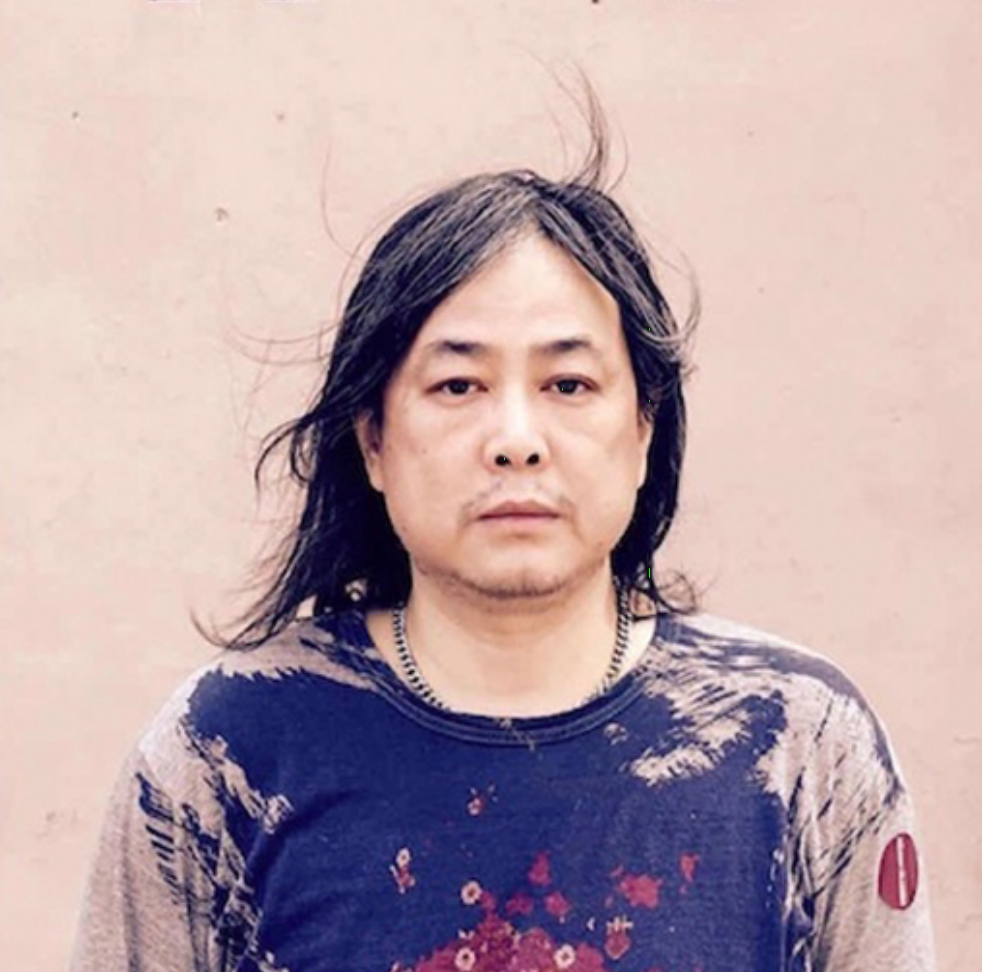
Yang Zhenzhong
Yang Zhenzhong was born in Hangzhou, Zhejiang Province in 1968 and currently lives and works in Shanghai.
Since the late 1990s, he has independently curated over ten highly influential exhibitions of new media contemporary art together with artists like Xu Zhen. These initiatives not only significantly invigorated Shanghai’s new media art scene but also propelled his own art onto the international stage. The core themes of Yang Zhenzhong’s work involve, on one hand, reinforcing the numerous contradictions and disorders within society with a cynical attitude, and on the other hand, exploring the perception of space and its utilization on political and psychological levels. He currently works with video, photography, installation, interactive art, and other new media, as well as exhibition curation.
Key solo exhibitions include: “Backdrop,” 12 sqm, Beijing, 2018; “Always,” MANEGE Museum and Exhibition Association, Moscow, Russia, 2014; “Not at This Moment,” OCAT Contemporary Art Terminal, Shanghai, 2013; “Don’t Move,” ShanghART Beijing, 2011; “Yang Zhenzhong,” IKON Gallery, Birmingham, UK, 2006; “Easy,” BizArt Art Center, Shanghai, 2002.
Key group exhibitions include: “Art and China after 1989: Theater of the World,” Solomon R. Guggenheim Museum, New York, USA, 2017; “Our Bright Future: Cybernetic Fantasy,” Nam June Paik Art Center, Yongin, South Korea, 2017; “Consumption: 1.618 Salon,” Palais de Tokyo, Paris, France, 2009; “Global Cities,” Tate Modern, London, UK, 2007, among others. His works have been featured in major international exhibitions such as the Venice Biennale, Shanghai Biennale, Gwangju Biennale, Asia Pacific Triennial of Contemporary Art, and Lyon Biennale. They are also held in the collections of important public and private institutions including The Museum of Modern Art (MoMA), New York; IKON Gallery, UK; Fukuoka Asian Art Museum, Japan; Musée National d’Art Moderne, France; and UBS Art Collection.
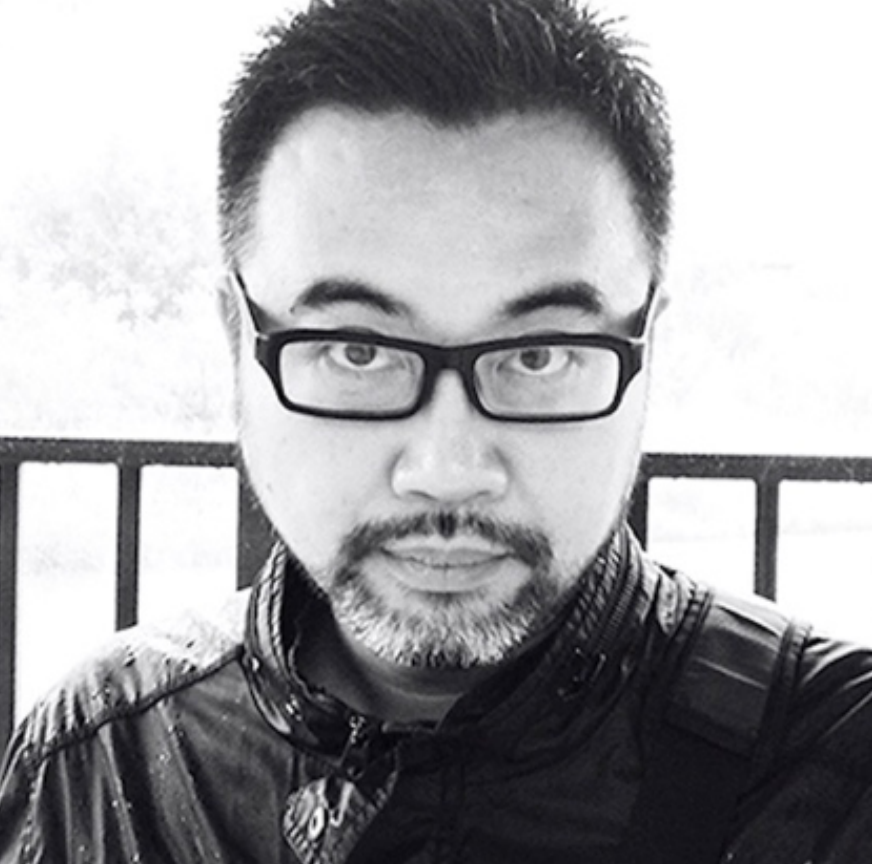
Zhang Ding
Zhang Ding was born in Gansu Province in 1980 and currently lives and works in Shanghai.
His exhibitions and live projects often incorporate elements such as video, sculpture, installation, painting, real-time computation, and live performance. These holistic artistic practices, characterized by strong performative, musical, and dramatic qualities, explore themes like human senses, conflicts of will, power, and psychological or physiological manipulation. Zhang Ding’s works simulate the processes of alienation occurring within social structures on-site, constructing scenarios filled with antagonism and chaos. In 2016, Zhang formally established “Control Club,” actively drawing elements from various subcultural fields and using technology, music, and large-scale audio-visual installations to create a form of gathering centered on control and counter-control.
When live performance first appeared in Opening (2011) and continued in A Performance (2014), the chemical reactions produced by the mixing of all elements turned the site into a sculpture forged from entangled emotional atmospheres. In the Dragon vs. Tiger series, Zhang Ding further experimented with opening up the artist’s own working method to create more possibilities. At the Institute of Contemporary Arts (ICA), London (2015), 26 music groups with distinctly different styles were invited to collaborate, challenging each other with improvised performances within a rotating mirror house. This challenge was escalated and extended to Singapore at Shanghai’s chi K11 Art Museum (2016) through the transformative spatial structure and the inclusion of Chinese musicians.
In 2016, the project The Majestic transformed the Rockbund Art Museum into a golden prison, live-streaming an event with 150 VIP dinner guests. That same year, he founded the art label “Control Club,” using geek culture, music, and large-scale audio-visual installations to establish a mode of gathering centered on control and counter-control. The first project featured a collaboration between a group of sound installations and the legendary musician Wang Fan, taking place within an abandoned century-old building.
In 2017, Zhang Ding returned to the gallery space, creating a massive “Vortex” at ShanghART Shanghai. For his 2018 solo exhibition “Safe House,” he presented the same concept across three different venues and levels, with The Bunker (Beijing), Wyoming Project, and King & Wood Mallesons Art Center collectively forming the conceptual core explored in “Safe House.”
Recent exhibitions/projects include: “Zhang Ding: High-Speed Forms,” OCAT Shanghai, Shanghai, 2019; “Safe House,” solo exhibition, The Bunker, Wyoming Project, King & Wood Mallesons Art Center, 2018; “Vortex,” solo exhibition, ShanghART Shanghai, 2017; “Control Club,” Shanghai, 2016; “The Majestic,” Rockbund Art Museum, Shanghai, 2016; “Dragon vs. Tiger 3 Singapore,” Gillman Barracks, Singapore, 2016; “Dragon vs. Tiger 2,” chi K11 Art Museum, Shanghai, 2016; “Dragon vs. Tiger,” Institute of Contemporary Arts (ICA), London, UK, 2015; “A Performance,” solo exhibition, ShanghART Beijing, Beijing, 2014; “Trajectory: Zhang Ding’s Solo Project,” The Armory Show Focus section, New York, 2014; “Gold and Silver,” solo exhibition, Galerie Krinzinger, Vienna, 2013; 12th Lyon Biennale, France, 2013; “Perspectives 180 – Unfinished Country,” “New Chinese Video,” Contemporary Arts Museum Houston, USA, 2012.
Zhang Ding received the Art Asia Pacific Art Contribution Award in 2015 and the Porsche China Young Chinese Artist of the Year award in 2017.
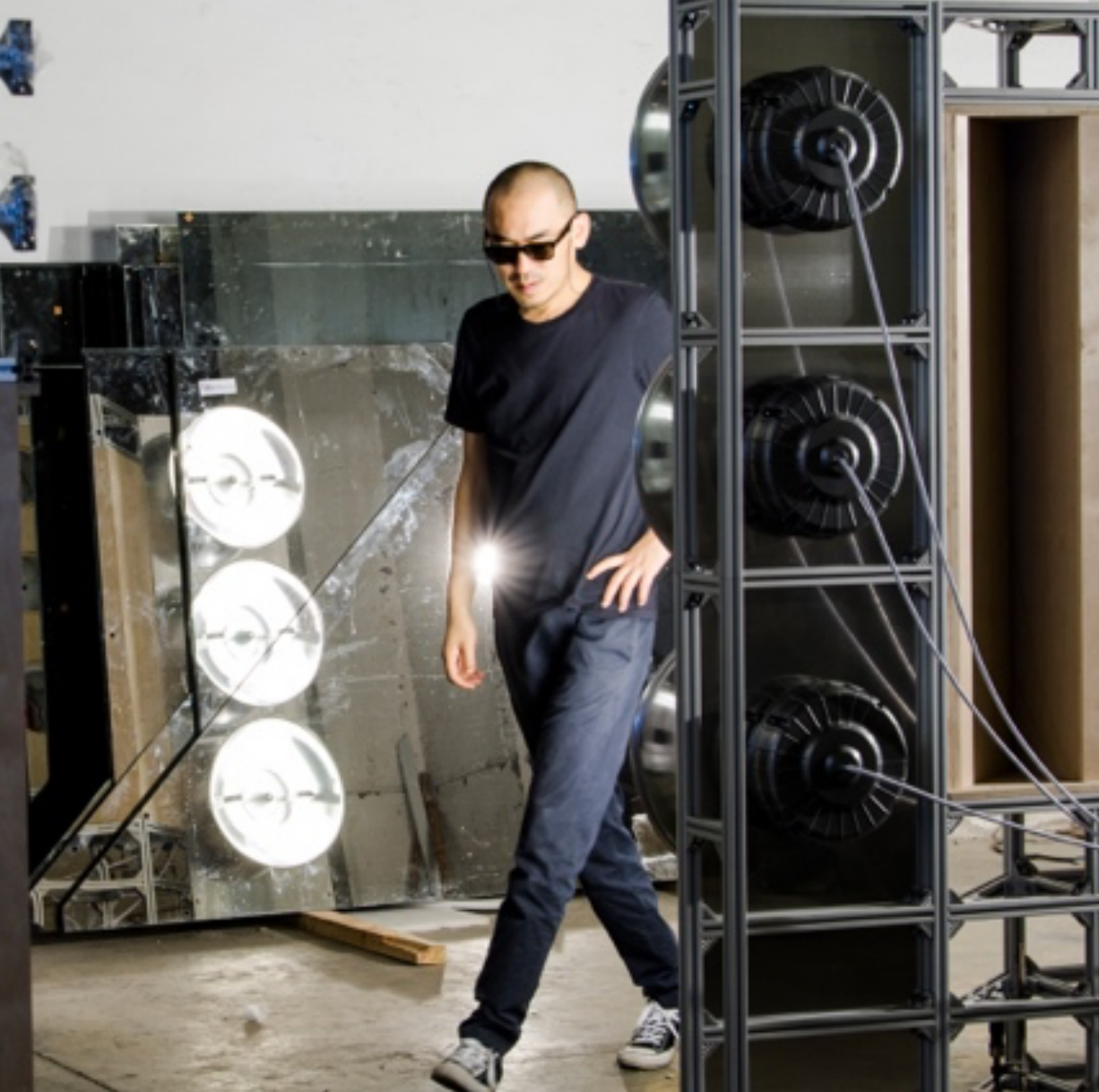
Zhang Enli
Zhang Enli was born in Jilin Province in 1965. He graduated from the Art College of Wuxi University of Light Industry in 1989 and currently lives and works in Shanghai.
Zhang Enli has held solo exhibitions at numerous important institutions worldwide, including the Power Station of Art, Shanghai (2020); Hauser & Wirth Zürich, Switzerland (2020); Xavier Hufkens, Brussels, Belgium (2019); Galleria Borghese, Rome, Italy (2019); K11 Art Foundation, Shanghai (2019); Royal Academy of Arts, London, UK (2018); Hauser & Wirth New York, USA (2018); Firstsite, Colchester, UK (2017); Museum of Contemporary Art, Taipei (2015); ShanghART Gallery, Shanghai (2015); Hauser & Wirth London, UK (2014); K11 Art Foundation, Hong Kong (2014); Villa Croce Contemporary Art Museum, Genoa, Italy (2013); Institute of Contemporary Arts (ICA), London, UK (2013); Shanghai Art Museum (2011); Minsheng Art Museum, Shanghai (2010); Ikon Gallery, Birmingham, UK (2009); and Kunstmuseum Bern, Switzerland (2009).
His group exhibitions have been presented at institutions including Fondazione Prada, Milan (2018); Museum of Contemporary Art Antwerp (M HKA), Belgium (2018); the First Antarctic Biennale (2017); Centre Pompidou, Paris (2016); PAC – Padiglione d’Arte Contemporanea, Milan (2015); Lehmbruck Museum, Duisburg, Germany (2015); Yokohama Triennale, Japan (2014); Vancouver Art Gallery, Canada (2014); The Rubell Family Collection, Miami, USA (2013); Birmingham Museum & Art Gallery, UK (2013); India Biennale (2012); the 6th Curitiba Biennial, Brazil (2011); Gwangju Biennale, South Korea (2010); the 7th Shanghai Biennale (2008); and Villa Manin Centre for Contemporary Art, Codroipo, Italy (2006).
For Zhang Enli, whether depicting human life activities or everyday objects, it fundamentally serves one overarching goal: painting itself as a vital activity. All representations are, for him, both reproduction and expression. In the often-indescribable inter-transformation between lines and planes, and between planes themselves, the solitary or grouped objects thinly painted by Zhang Enli on canvas acquire a concrete sense of texture and volume.
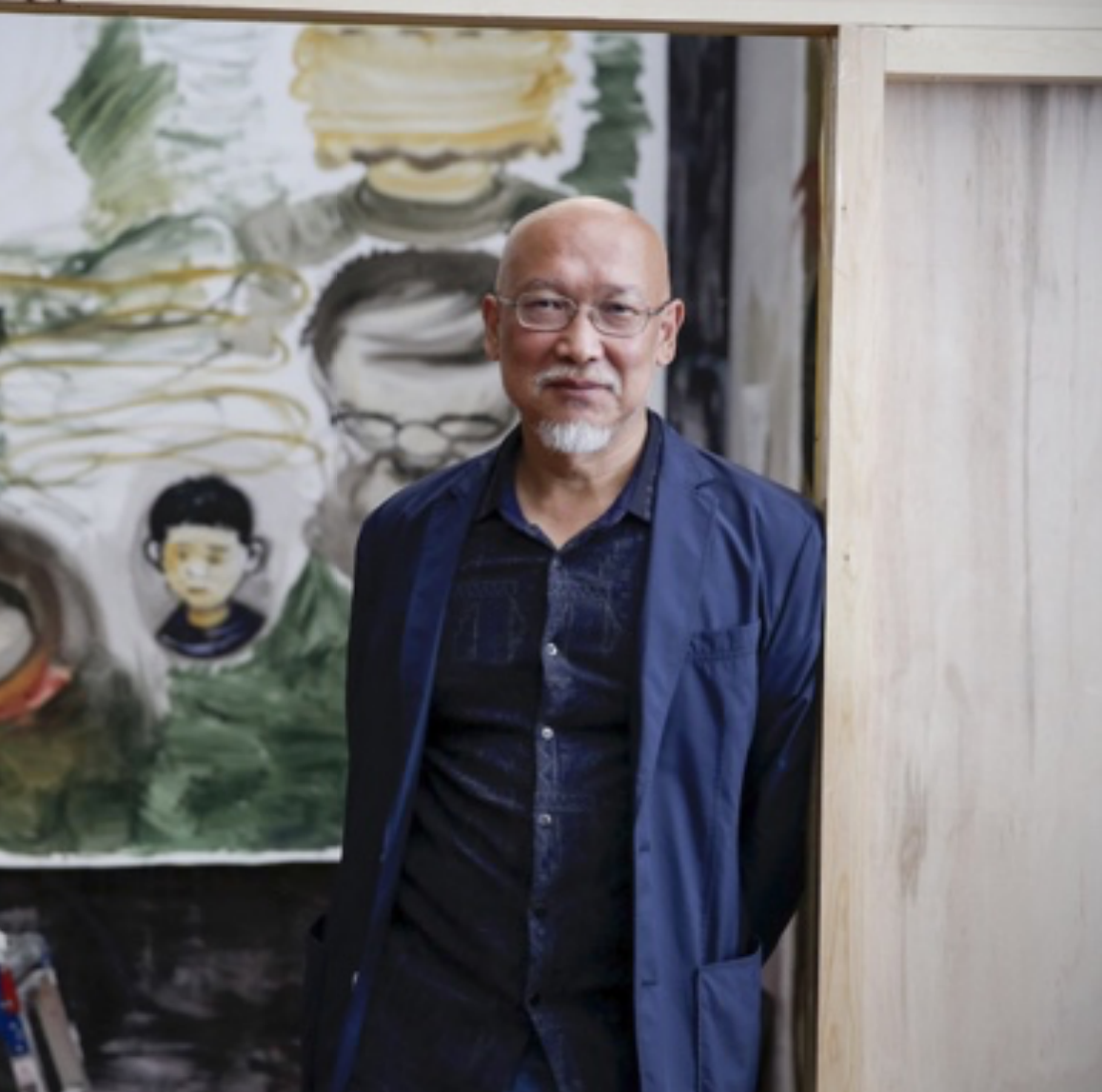
Zhang Ruyi
Zhang Ruyi was born in Shanghai in 1985 and currently lives and works there. Zhang Ruyi’s creative practice primarily involves sculpture, mixed-media painting, and installation. Her conceptual practice consistently unfolds around everyday logic, with her works occupying a unique space by reconciling artificial objects, industrial experience, and urban life. Zhang Ruyi’s works have been exhibited at institutions including the K11 Art Foundation, Hong Kong (2019); Rockbund Art Museum, Shanghai (2018); UCCA Center for Contemporary Art, Beijing (2017); Cass Sculpture Foundation, Chichester, UK (2016); Sifang Art Museum, Shanghai and Nanjing (2020, 2016); and 21st Century Minsheng Art Museum, Shanghai (2015). Her solo exhibitions include “Supposed Location,” Don Gallery, Shanghai (2019); “Potted,” François Ghebaly Gallery, Los Angeles (2019); “One Building Opposite Another,” Don Gallery, Shanghai (2016); “Interval,” White Space Beijing (2016); “Separation | Partition,” Don Gallery, Shanghai (2014); and “A Line,” J: Gallery, Shanghai (2014).
INSTALLATION VIEW