ABOUT THE EXHIBITION
PRESS KIT
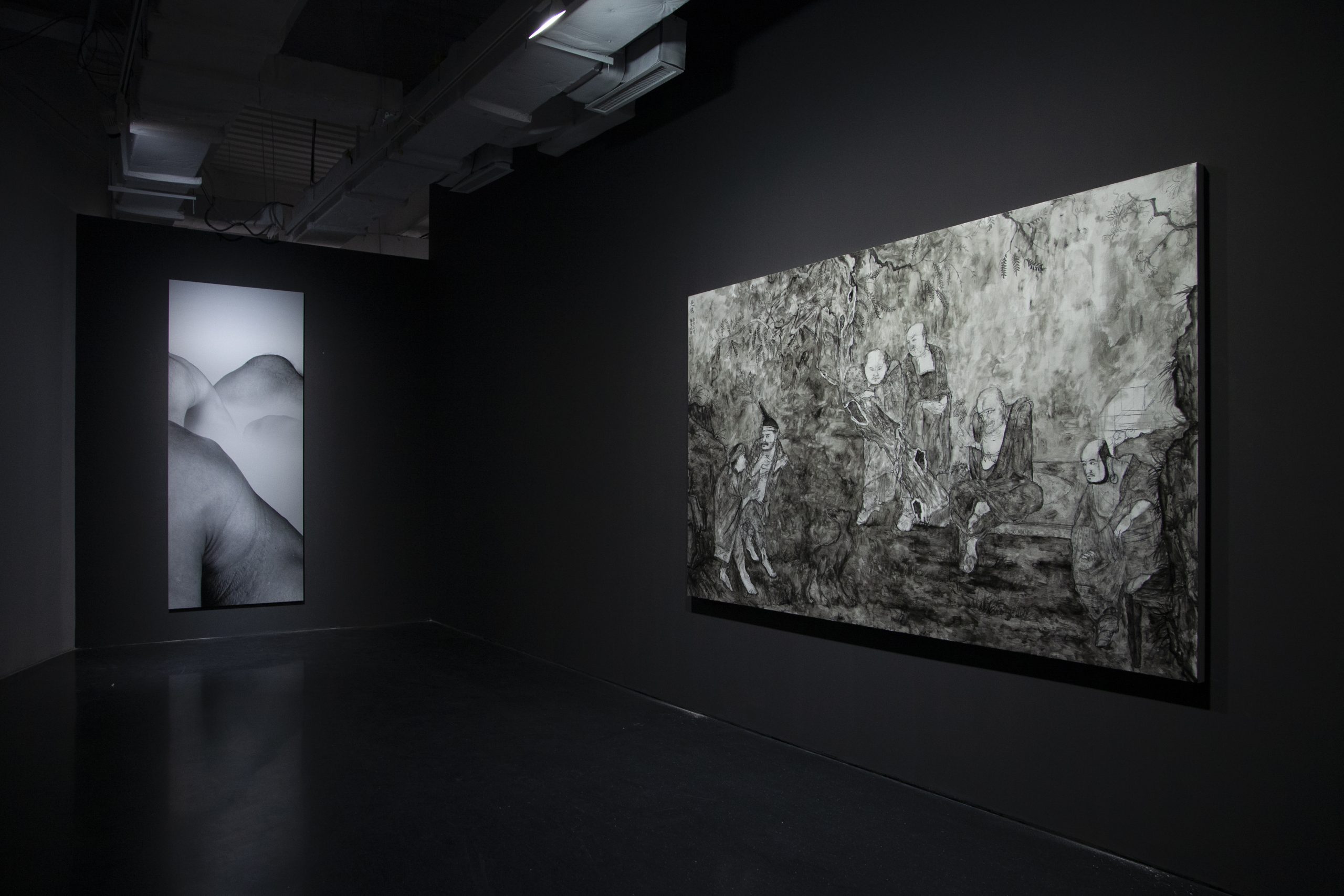
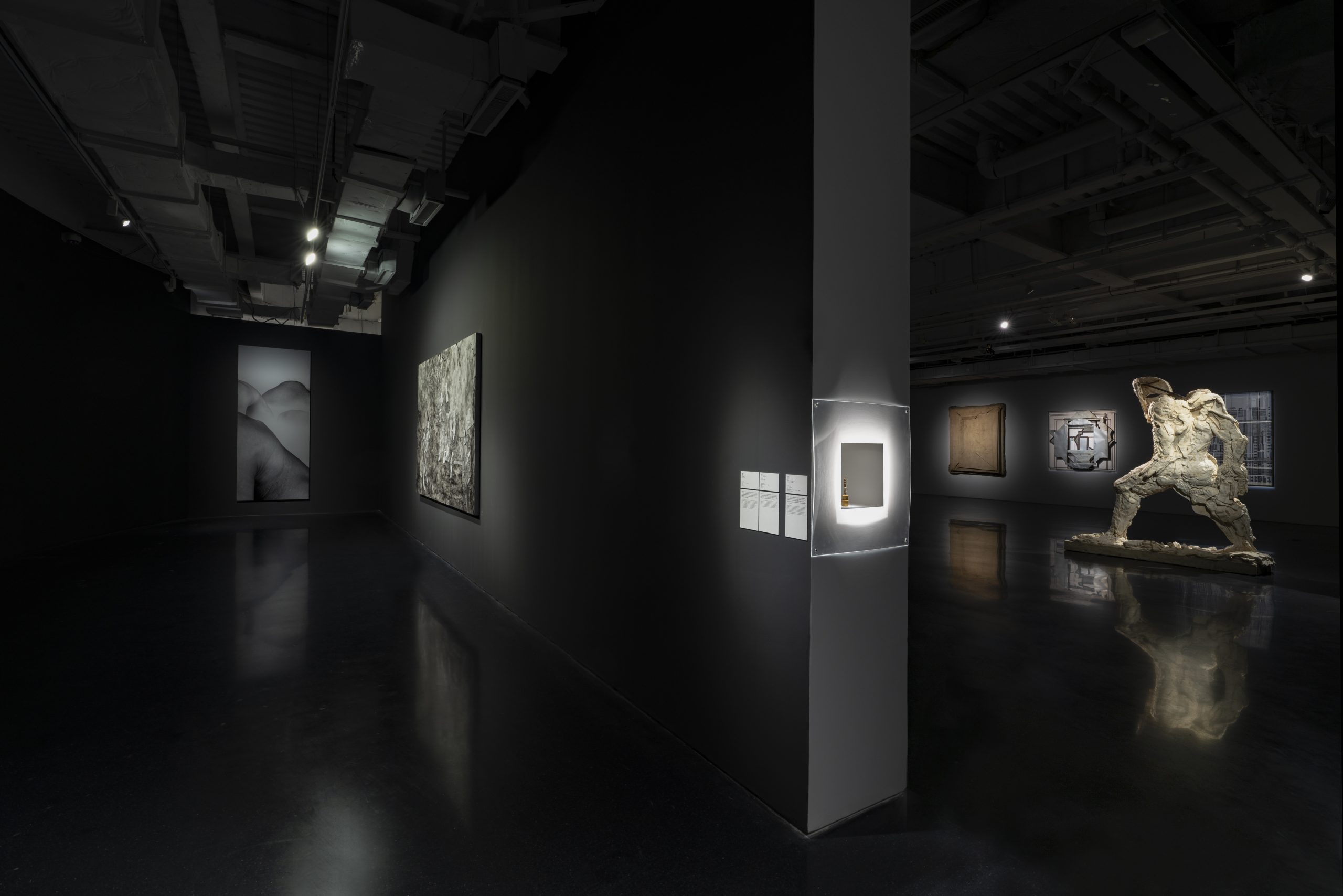
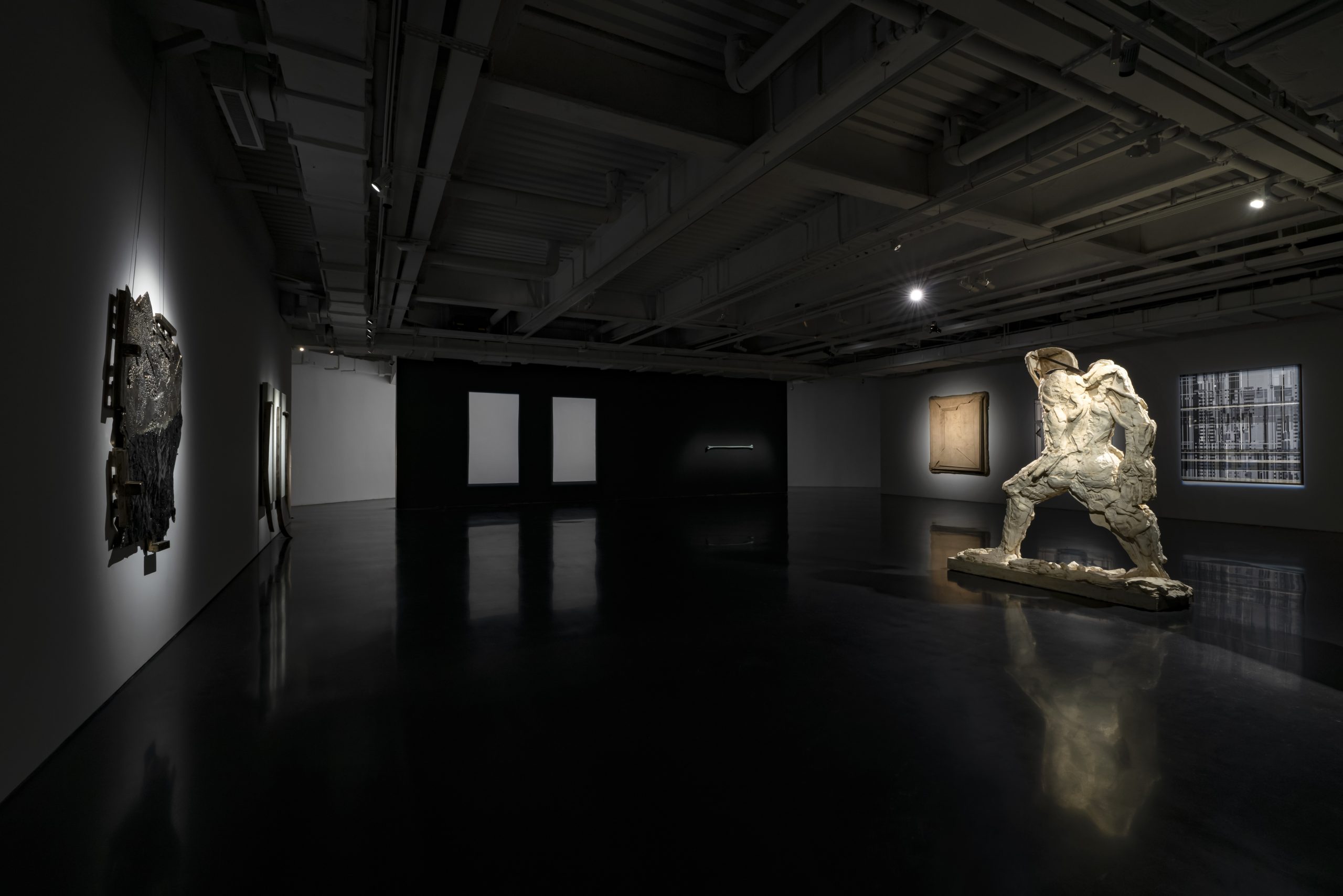
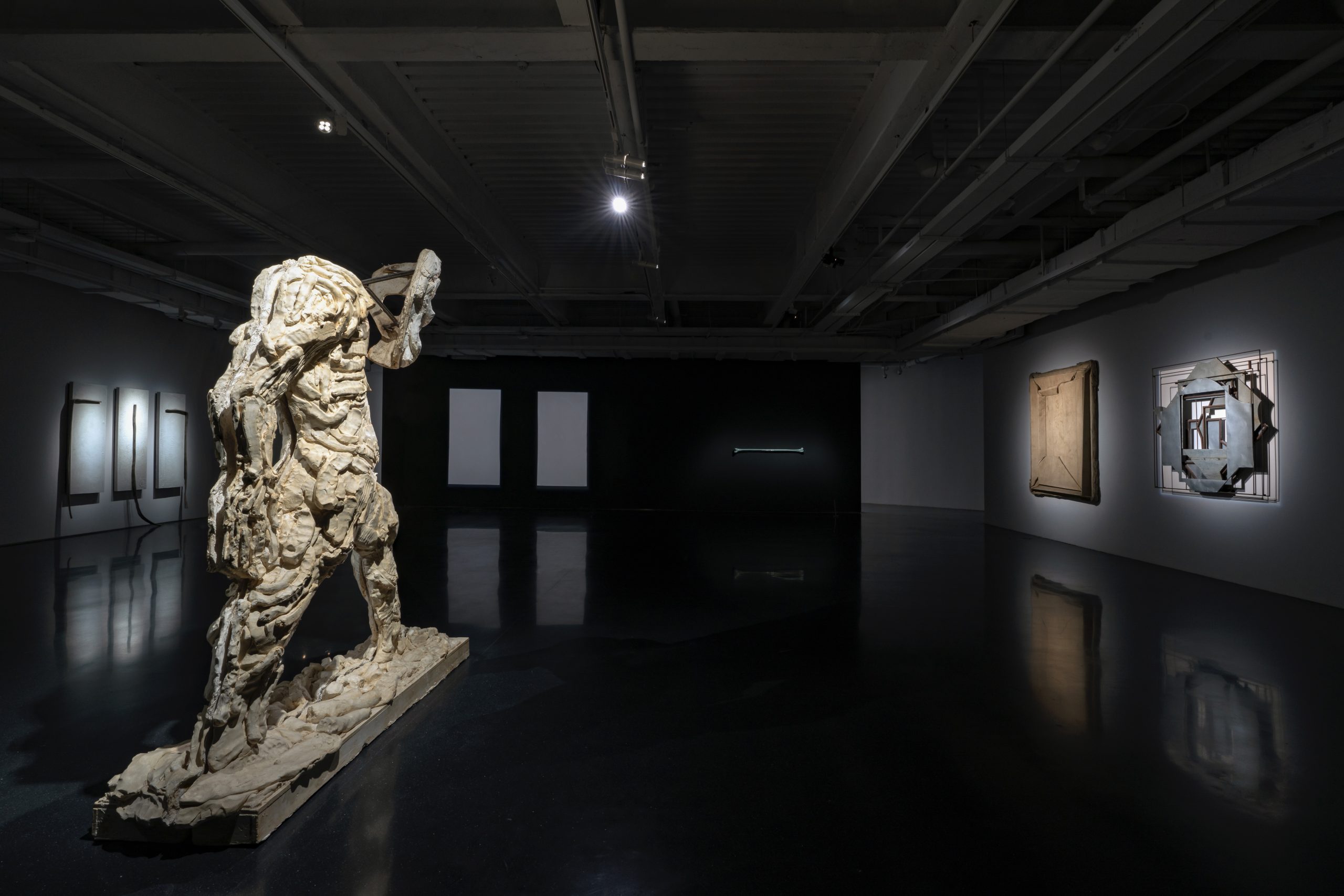
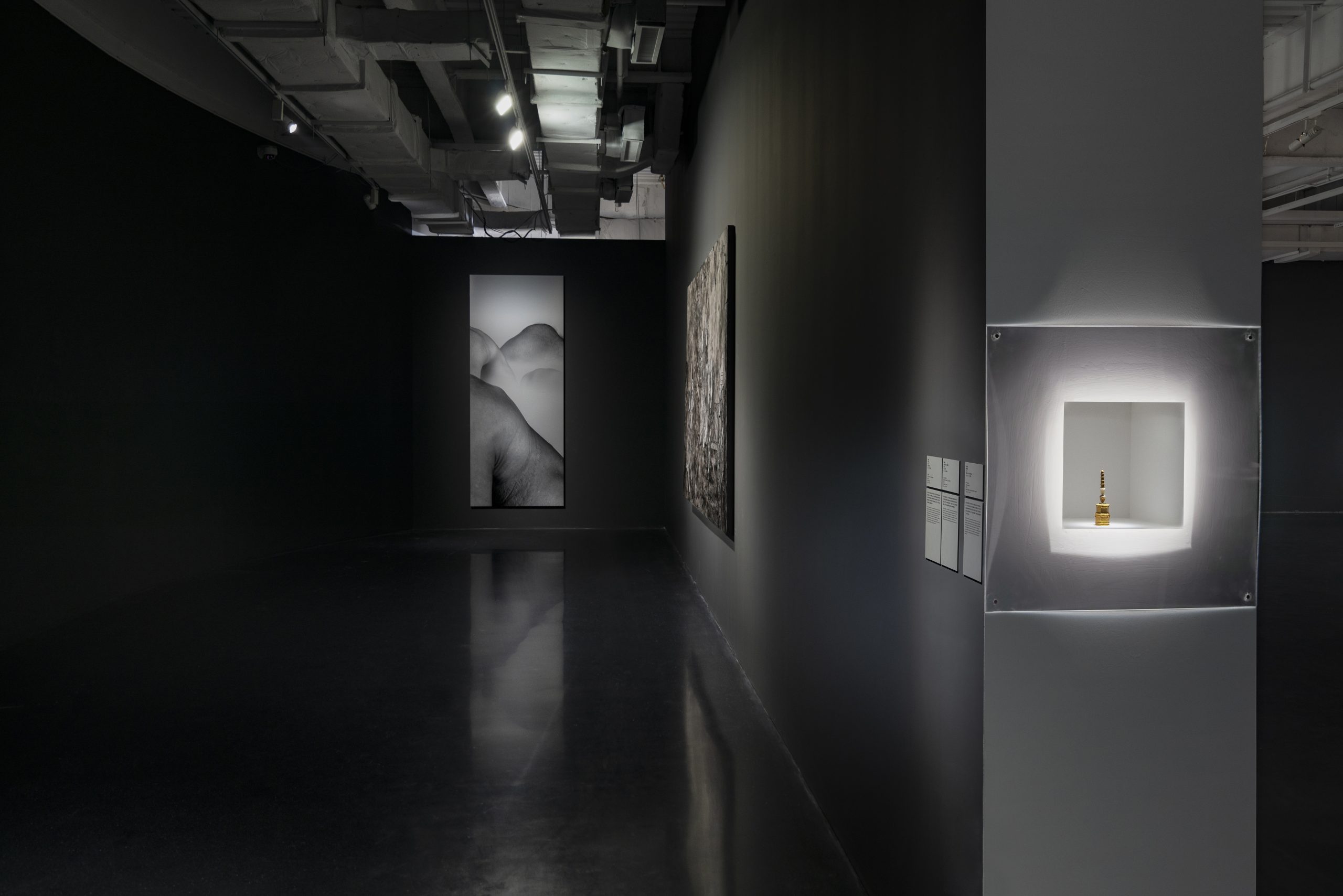
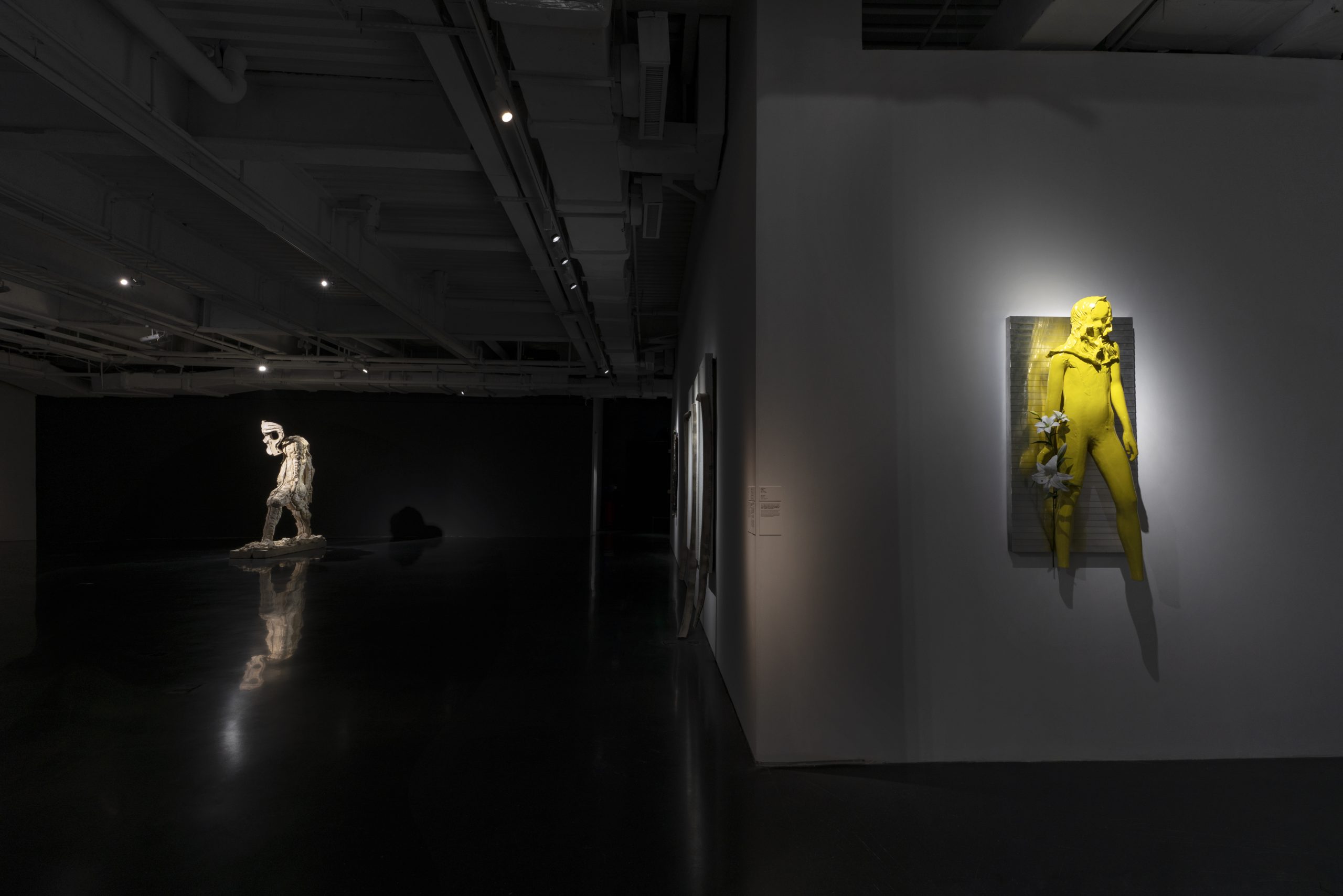
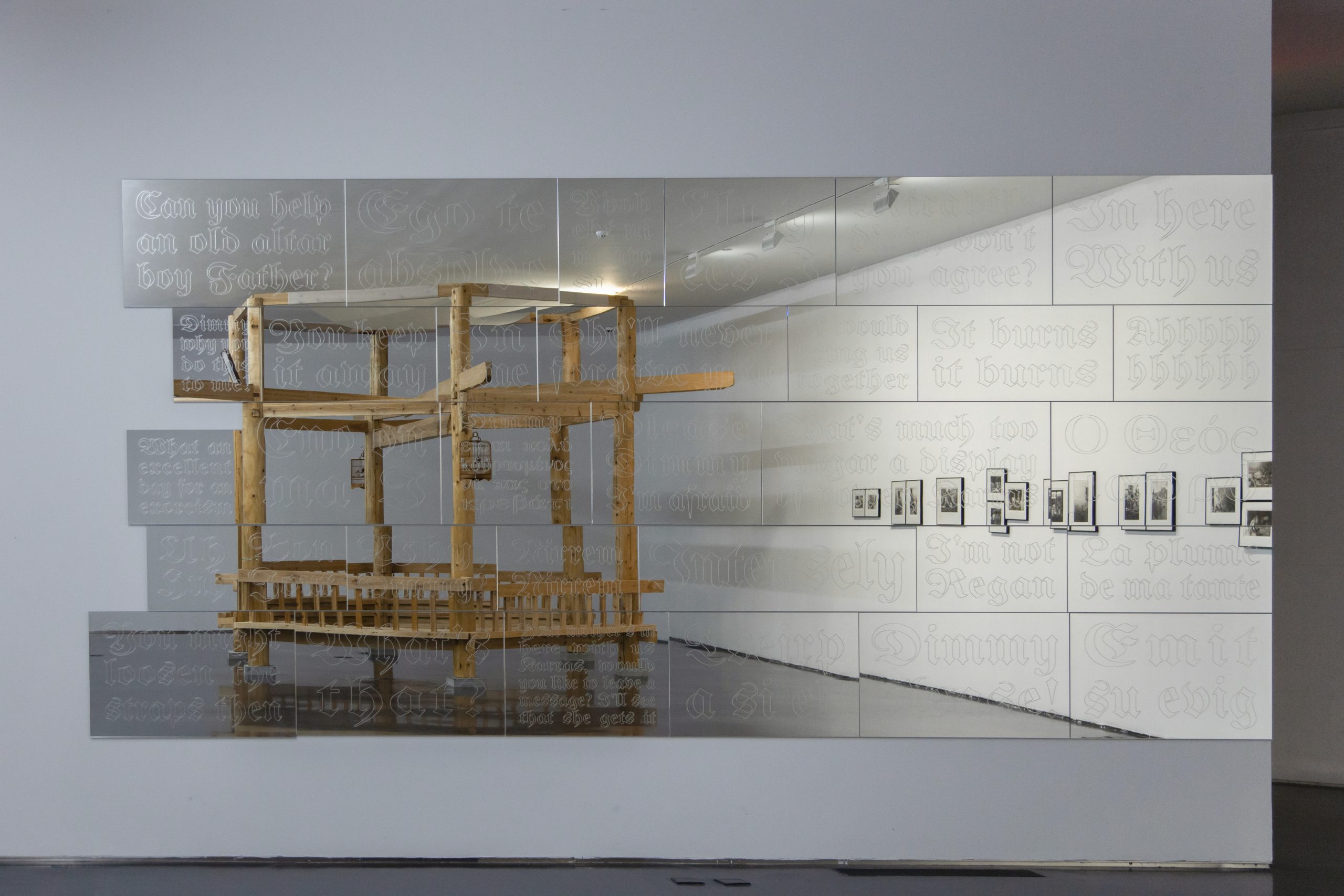
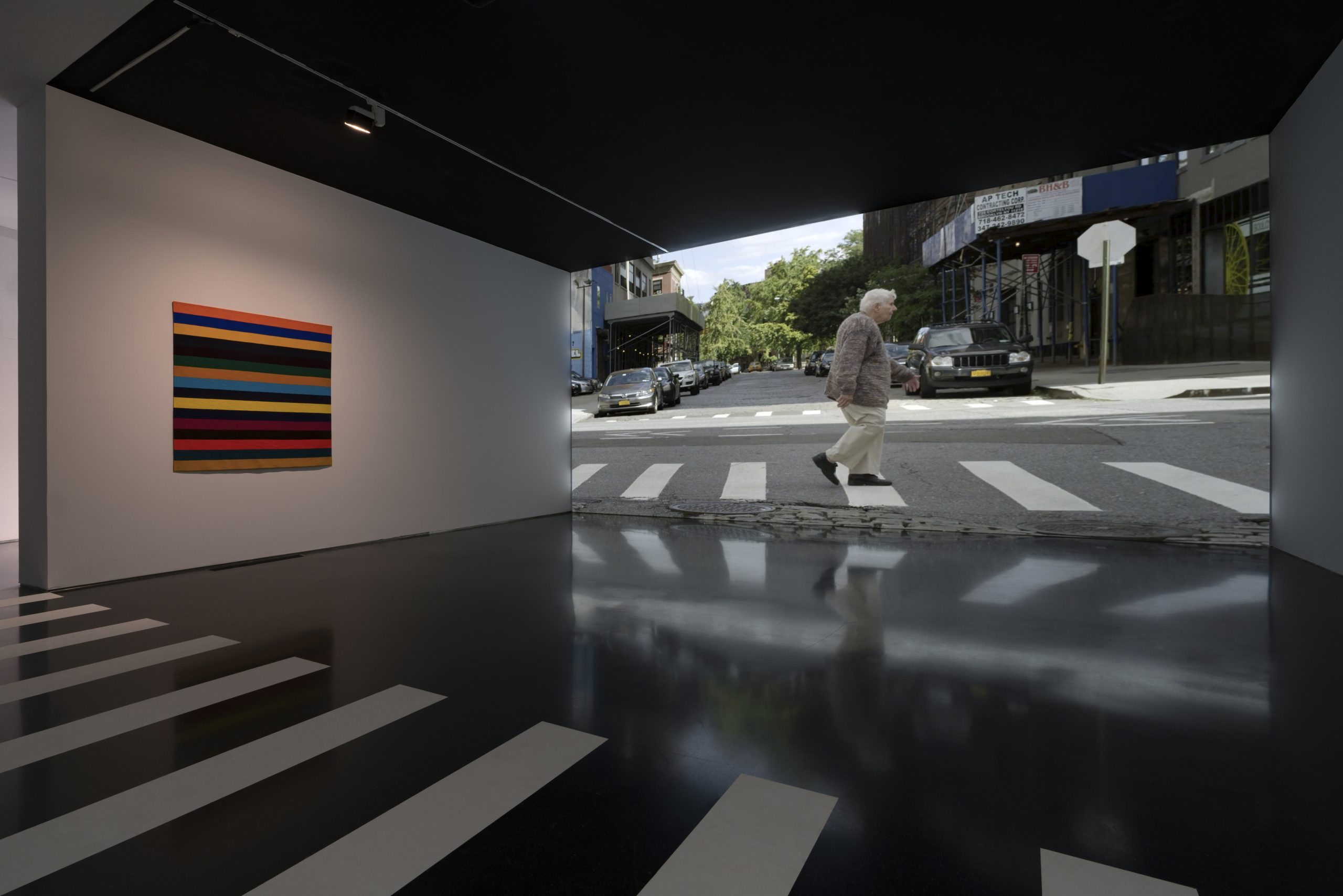
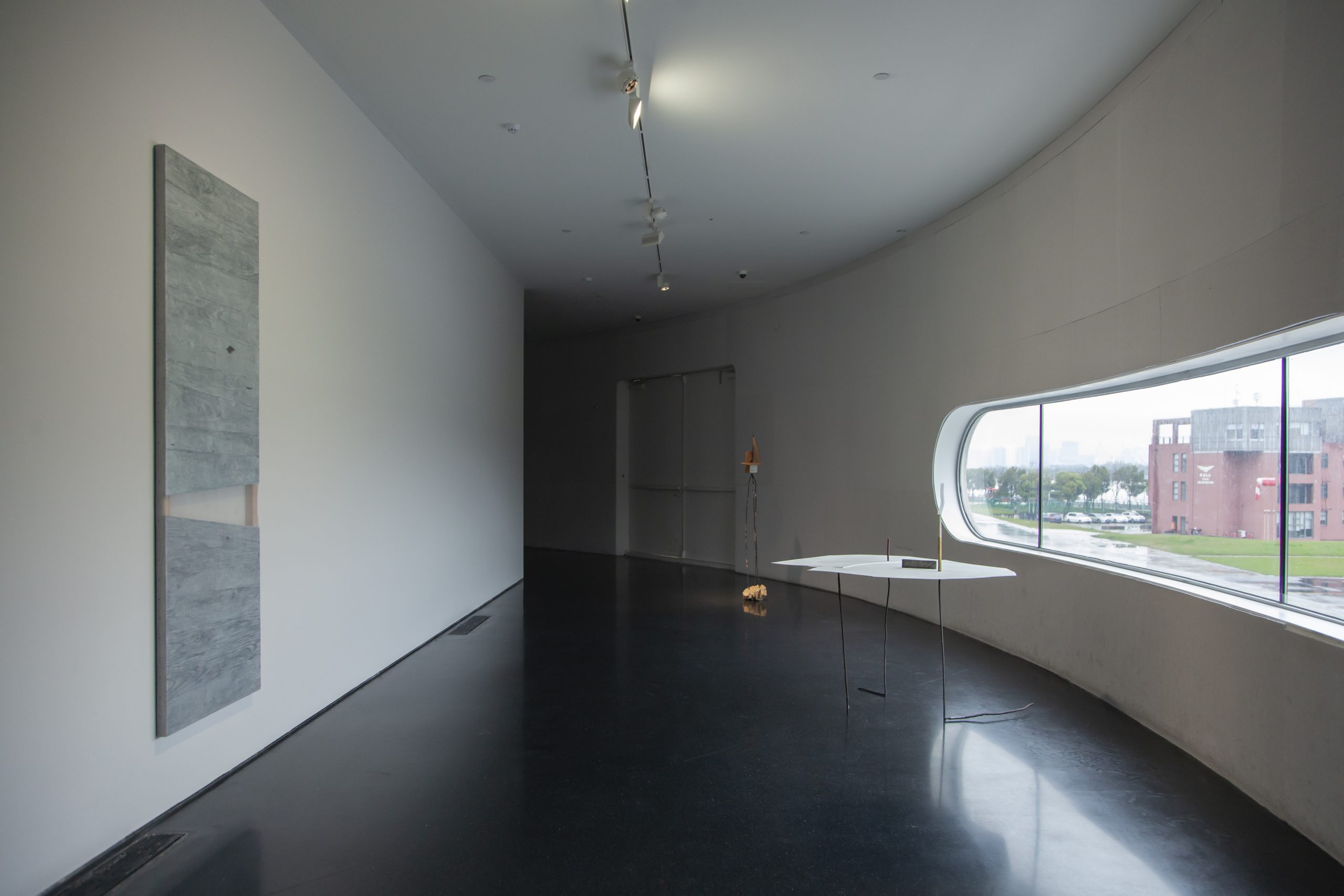
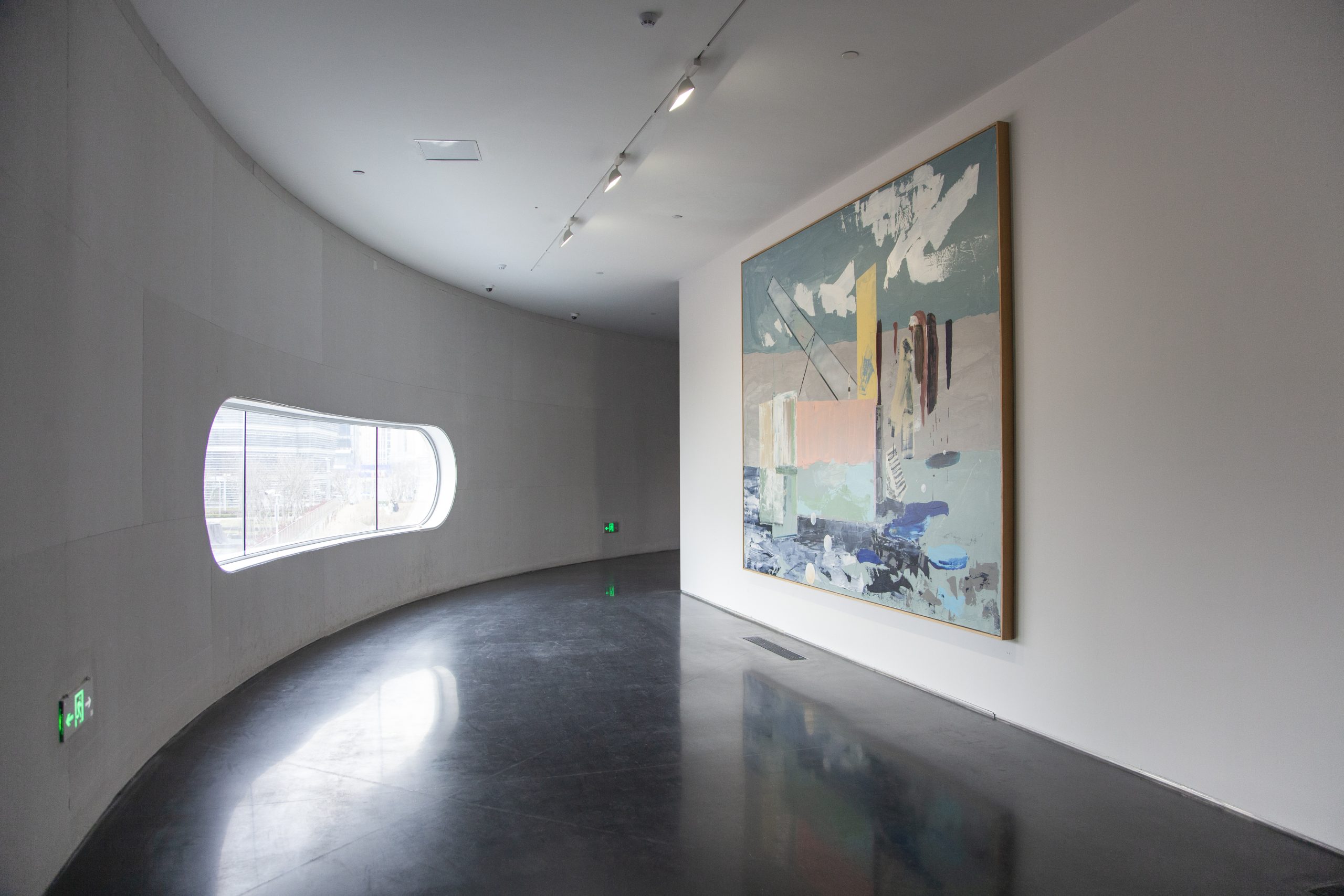
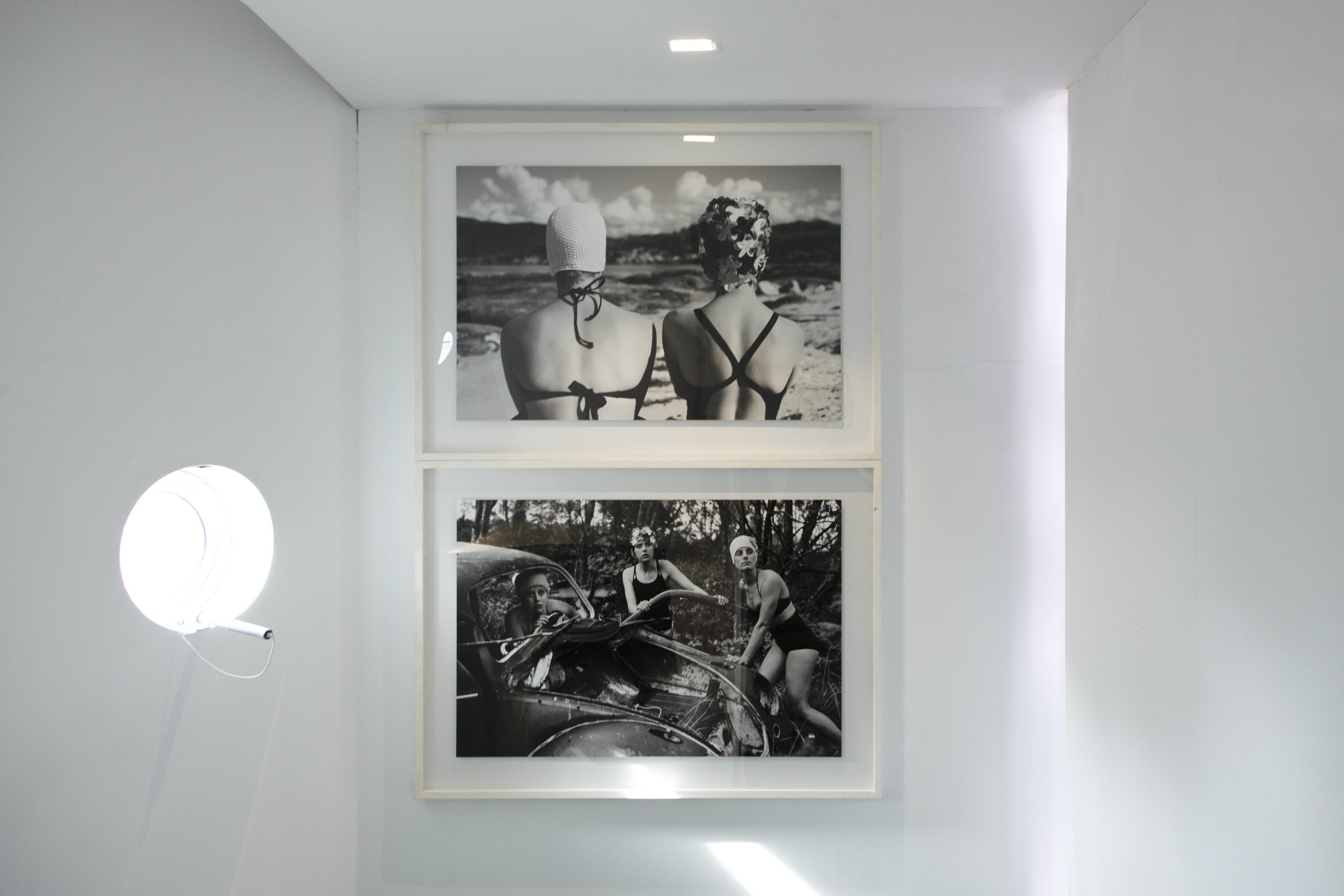
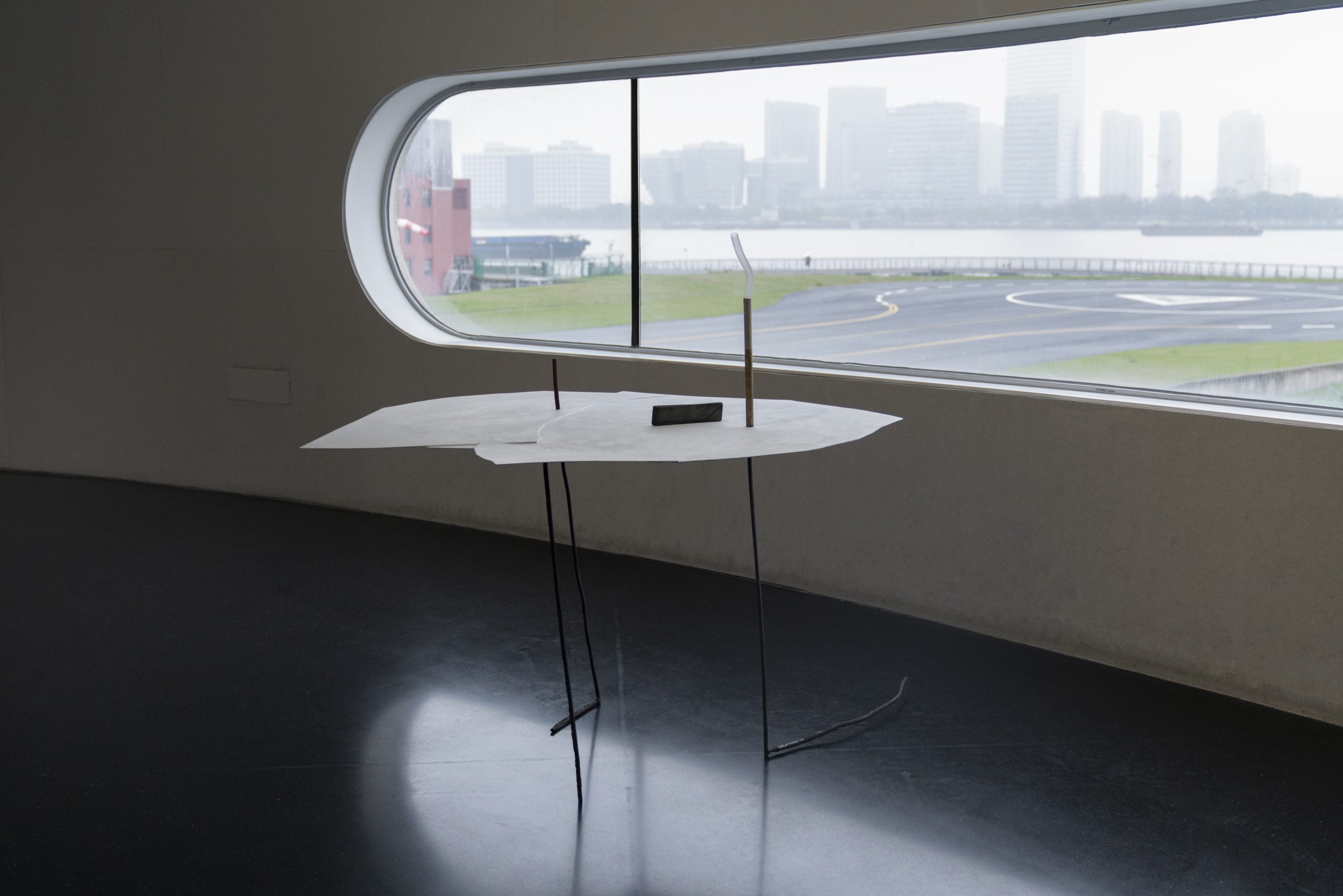
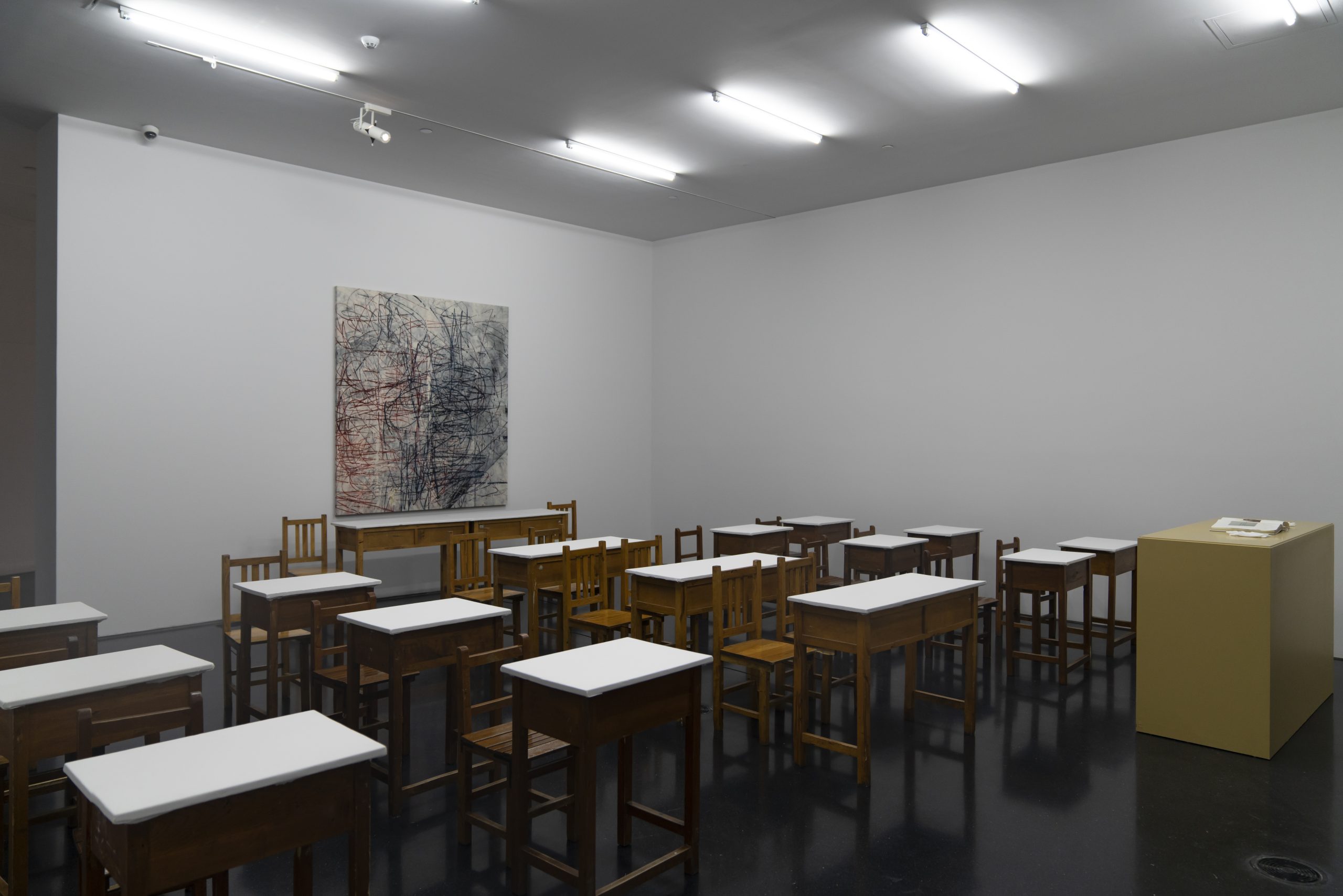
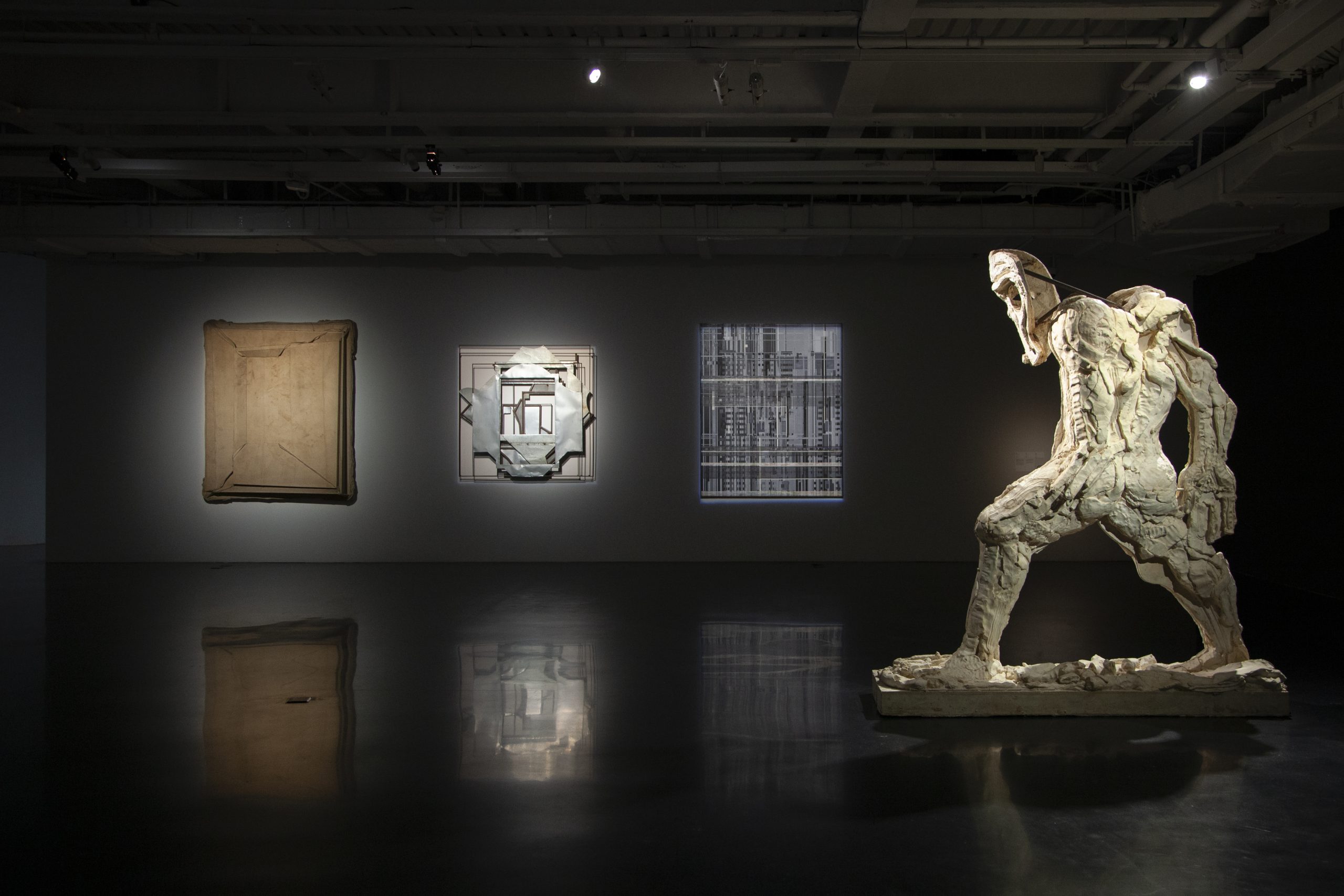
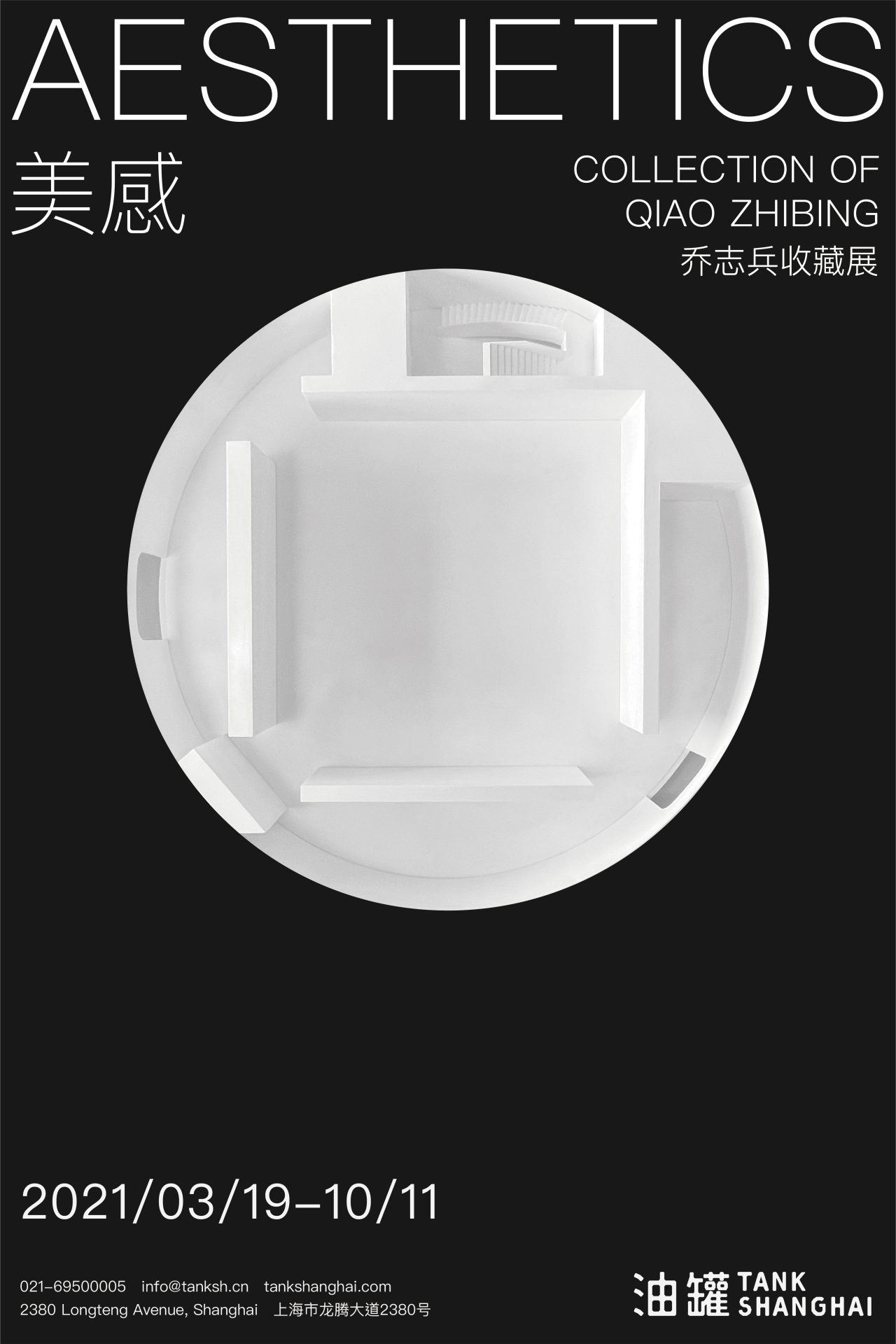
TANK Shanghai announces the launch of “Collection of Qiao Zhibing | Aesthetics” from March 19 to October 11, 2021. Qiao Zhibing, contemporary art collector and founder of TANK Shanghai, selects works by twelve domestic and international contemporary artists from his private collection, to share his attitude and experience on collecting contemporary art from the perspective of his personal experience. The exhibition reflects how art can establish a subtle bridge between the times and regions by influencing individuals, thereby leading the audience to observe and appreciate contemporary art in a more equitable and freely manner.
As a prominent contemporary art collector in China, Qiao Zhibing uses “Aesthetics,” “Affection” and “Inspiration” to generalize his long term collection. In his view, collecting is about personal intuition that does not require complicated trade-offs. The key is to sense on the intuitive feelings that artworks bring to one’s mind. In the future, he is planning to express his understanding about collecting through planned exhibitions. This time, as the first launched of his collection exhibition series, “Aesthetics” explores the inspiration artworks bring to the public from a visual perspective.
These exhibited works include paintings, installations, videos and other various creative medium. While most of these artists are now internationally renowned, Qiao Zhibing began collecting their works at a very early stage. The process of how artists and collectors interact, attract, communicate and their shared growth not only suggest their different life experiences, but also reflect their mutual experienced era. At the exhibition site, these personal memories will be connected and transmitted through the works, reflecting the unique viewing pathway of seeing contemporary art from a distinct perspective.
ABOUT THE ARTIST
Yang Fudong
Yang Fudong was born in Beijing in 1971, and now lives and works in Shanghai. He graduated from the Department of Oil Painting, China Academy of Art in Hangzhou. He is among the most successful and influential Chinese artists today. Yang has started to create video works since late 1990s. His works form a unique cultural visual interpretation through multiple cultural perspectives interlaced with experiences of space and time with photograph, painting, film and installation. They are all characterized by multi-perspectives, exploring the structures and forms of identities in myths, personal memories and life experiences.
Yang Fudong has participated in prestigious international art exhibitions including Su Zhou Museum (2019); Solomon R. Guggenheim Museum (2017); Foundation Louis Vuitton, Paris, France (2016); The Metropolitan Museum of Art (2013); Tate Liverpool (2007); Tate Modern (2004); Centre Pompidou (2003). His works also included in La Biennale de Lyon (2013); Sharjah Biennial 11 (2013); 17th Biennale of Sydney (2010); 52nd International Art Exhibition Venice Biennale (2007); The 5th AsiaPacific Triennial (2006); FACT Liverpool Biennial (2004); 50th International Art Exhibition Venice Biennale (2003); Documenta 11 (2002); 4th Shanghai Biennale (2002); 7th International Istanbul Biennial (2001) etc.
He had solo-shows at most acclaimed institutions and galleries, such as Dawn Breaking, Long Museum (West Bund), Shanghai (2018); Moving Mountains, Shanghai Center of Photography, Shanghai (2016); Twin Tracks: Yang Fudong Solo Exhibition, Yuz Museum, Shanghai (2015); The Light That I Feel, SALT outdoor video installation, Sandhornoya, Norway (2014); Yang Fudong: Estranged Paradise, Works 1993-2013, The Kunsthalle Zurich, Switzerland (2013); Quote Out of Context, Solo Exhibition of Yang Fudong, OCT Contemporary Art Terminal, Shanghai (2012); One Half of August, Yang Fudong Solo Exhibition, Parasol Unit Foundation for Contemporary Art, London, U.K. (2011); Yang Fudong: Seven Intellectuals in a Bamboo Forest and Other Stories, National Museum of Contemporary Art, Athens, Greece (2010); Dawn Mist, Separation Faith, Yang Fudong’s Solo Exhibition, Zendai Museum of Modern Art, Shanghai (2009); Yang Fudong: the General’s Smile, Hara Museum, Tokyo, Japan (2008); Yang Fudong: Don’t worry, it will be better…, Kunsthalle, Wien, Austria (2005) ; Yang Fudong, Castello di Rivoli Museo d’arte contemporanea, Torino, Italy (2005); Five Films, The Renaissance Society, Chicago, U.S.A (2004) etc.
Liu Wei
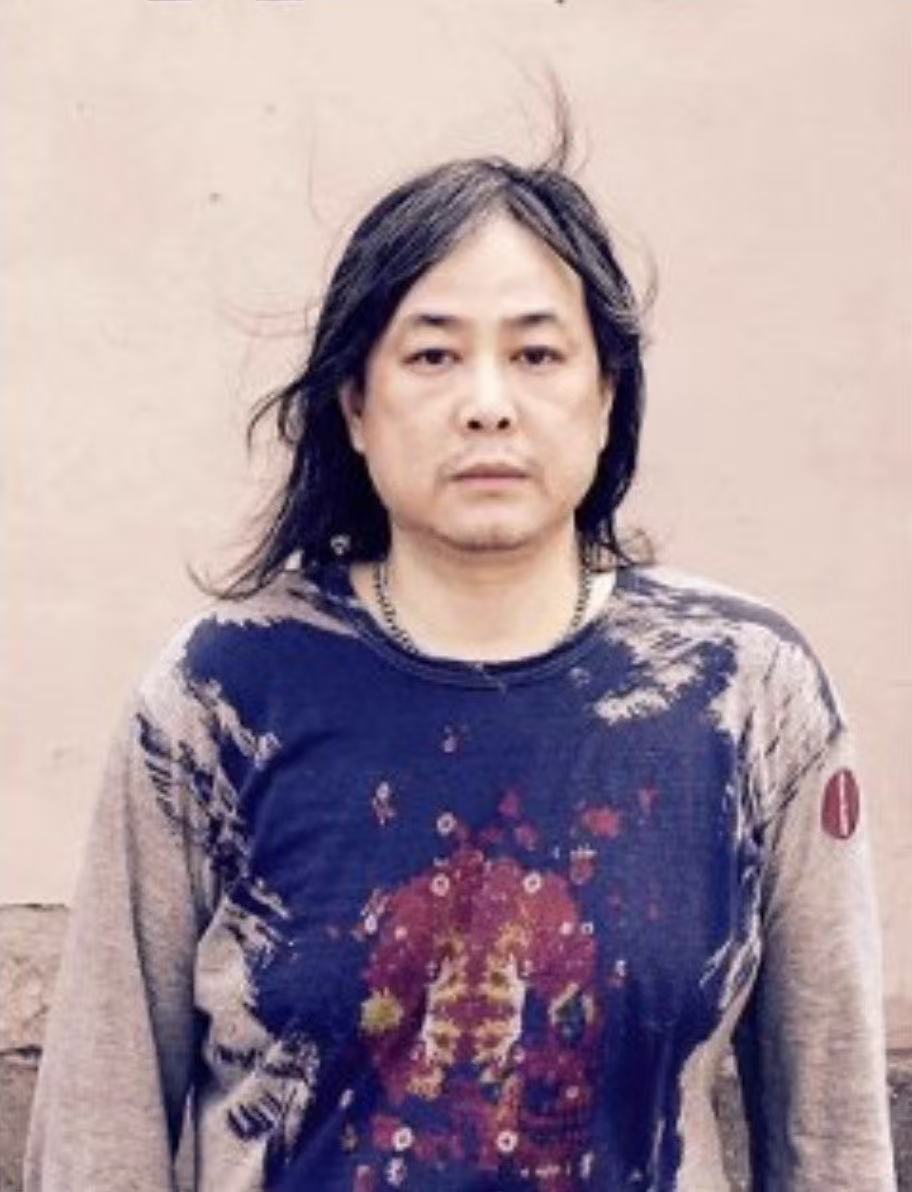
Liu Wei (b.1972) was born and presently resides in Beijing, China. He was trained as a painter at the China Academy of Art, Hangzhou in 1996. He is heavily influenced by the instability and fluctuation peculiar to twenty-first century China, in particular with respect to its physical and intellectual landscape. Initially Liu belongs to the generation of artists known as the Post-Sensibility group; in the years since, with his paintings, videos and large-scale installations Liu has become a singular presence on the global art stage. Post-Duchampian,and actively negotiating with the legacy of the Modern, his works crystallize the visual and intellectual chaos of China’s fraught transformations into an artistic language as versatile as it is distinctive.
Liu Wei’s recent solo exhibitions include “散场/OVER” (Long Museum West Bund, Shanghai, 2020); “Invisible Cities” (moCa Cleveland and the Cleveland Museum of Art, Cleveland, 2019); “Shadows” (Long March Space, Beijing, 2018); “Panorama” (PLATEAU, Samsung Museum of Art, Seoul, 2016); “Colors” (Ullens Center for Contemporary Art, Beijing, 2015); “Sensory Space 4” (Museum Boijmans van Beuningen, Rotterdam, 2014); “Density” (White Cube, London, 2014); “Liu Wei” (Long March Space, Beijing, 2012); “Trilogy” (Minsheng Art Museum, Shanghai, 2011). “Myriad Beings”, Today Art Museum, Beijing, China, among others.
Recent group exhibitions include “Trilogy of Contemporary Art in China: The Scar” (Busan Museum of Art, Busan, 2020); “Entropy” (Faurschou Foundation, Beijing, 2018); “Art and China after 1989 Theater of the
World” (Guggenheim Museum, New York, 2017);“L’emozione dei COLORI nell’arte” (Castle of Rivoli,Turin, 2017); “The M+ Sigg Collection: Chinese Art from the 1970s to Now” (ArtisTree, Hong Kong, 2016);“Panorama” (PLATEAU, Samsung Museum of Art, Seoul, South Korea, 2016); “Adventures of the Black Square – Abstract Art and Society 1915-2015” (Whitechapel Gallery, London, 2015); “Shanshui” (Lucerne Museum of Art, Lucerne, 2011); “DREAMLANDS” (Centre National d’art et de Culture Georges Pompidou, Paris, 2010); “The Big World: Recent Art From China” (Chicago Cultural Center, Chicago, 2009); “China Power Station: Part III” (Mudam Luxembourg, Luxembourg, 2008); “China Power Station: Part II” (Astrup Fearnley Museet for Moderne Kunst, Oslo, 2007); “China Now” (MoMA, New York, 2004), among others.
Liu Wei has participated in the 58th and 51st Venice Biennale (2019, 2005); the 11th, 8th and 5th Shanghai Biennale(2016, 2010, 2004); the 3rd Aichi Triennial (2016); the 13th and 9th Biennale de Lyon (2015, 2007); Sharjah Biennale 11, Sharjah, United Arab Emirates(2013); the 4th, 3rd, 2nd and 1st Guangzhou Triennial (2012, 2008, 2005, 2002); the 6th Busan Biennale (2008), among others.
He was nominated for the Award of Art China 2015 and received the Award in 2016; He was the Artnet Artist of the Year and the Ambassador of Sino-Australia Cultural Exchange in 2016; the GQ China Artist of the Year 2015; the Martell Artist of the Year in 2012; he was nominated for the Credit Suisse Today Art Award of the year 2011; He was nominated for the Chinese Contemporary Art Award for Best Artist 2006 and received the Award in 2008.
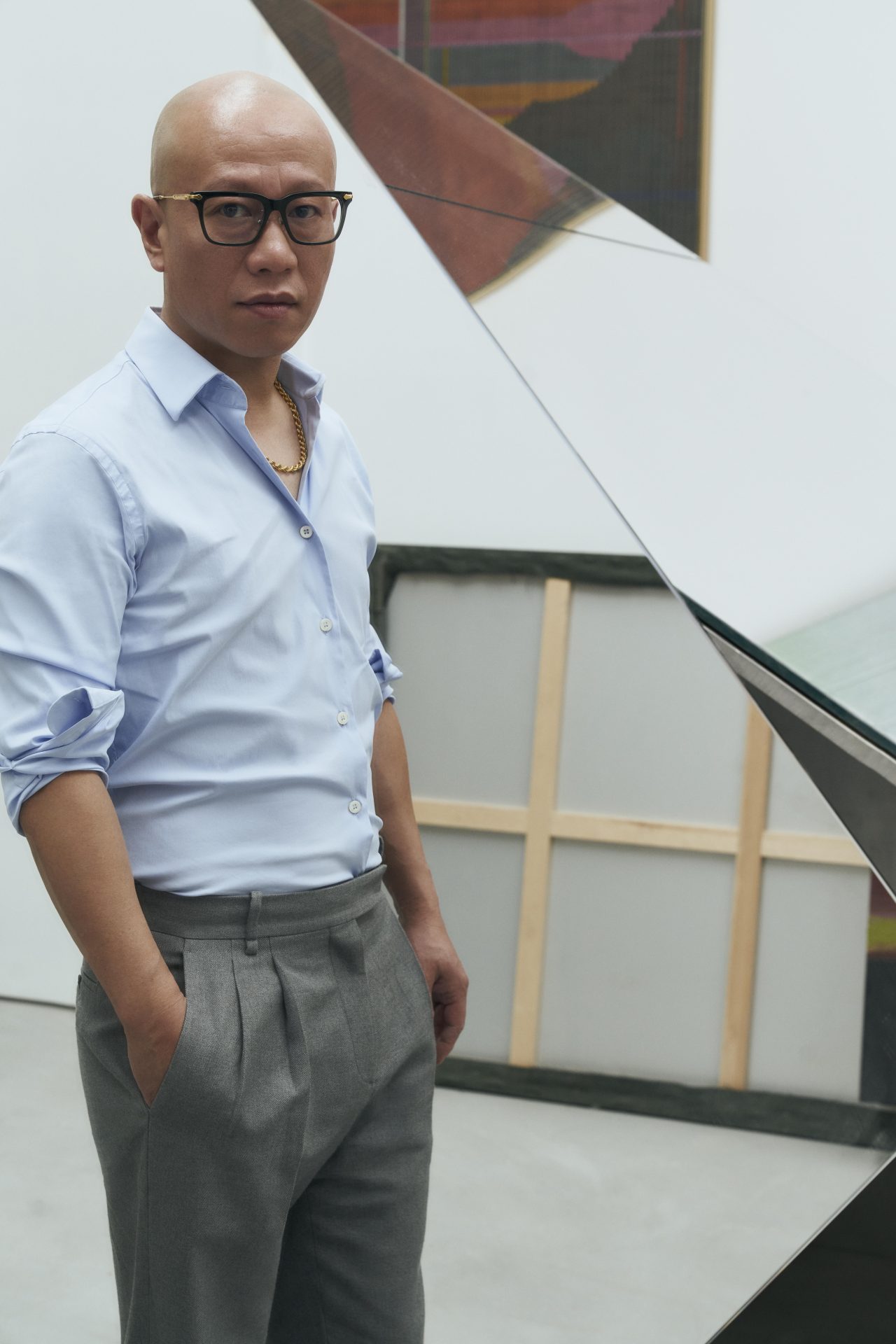
Liu Jianhua
Liu Jianhua was born in 1962 in Ji’an, Jiangxi Province. Since late 1980s, he started his experimental practices under the contemporary context. In 2008, he shifted his focus to “no meaning, no content”, which declared the fairly new exploration, and therefore has developed his own system of expression for contemporary art. Liu Jianhua is one of China’s best-known contemporary artists who experiment with comprehensive materials. His works have been exhibited at the international art exhibition of the 57th Venice Biennale and the 2nd Moscow Biennale of Contemporary Art, etc. Liu Jianhua’s works have been collected by public institutions including Tate Modern (London, UK) and MOMA (New York, US). The artist now lives and works in Shanghai, China.
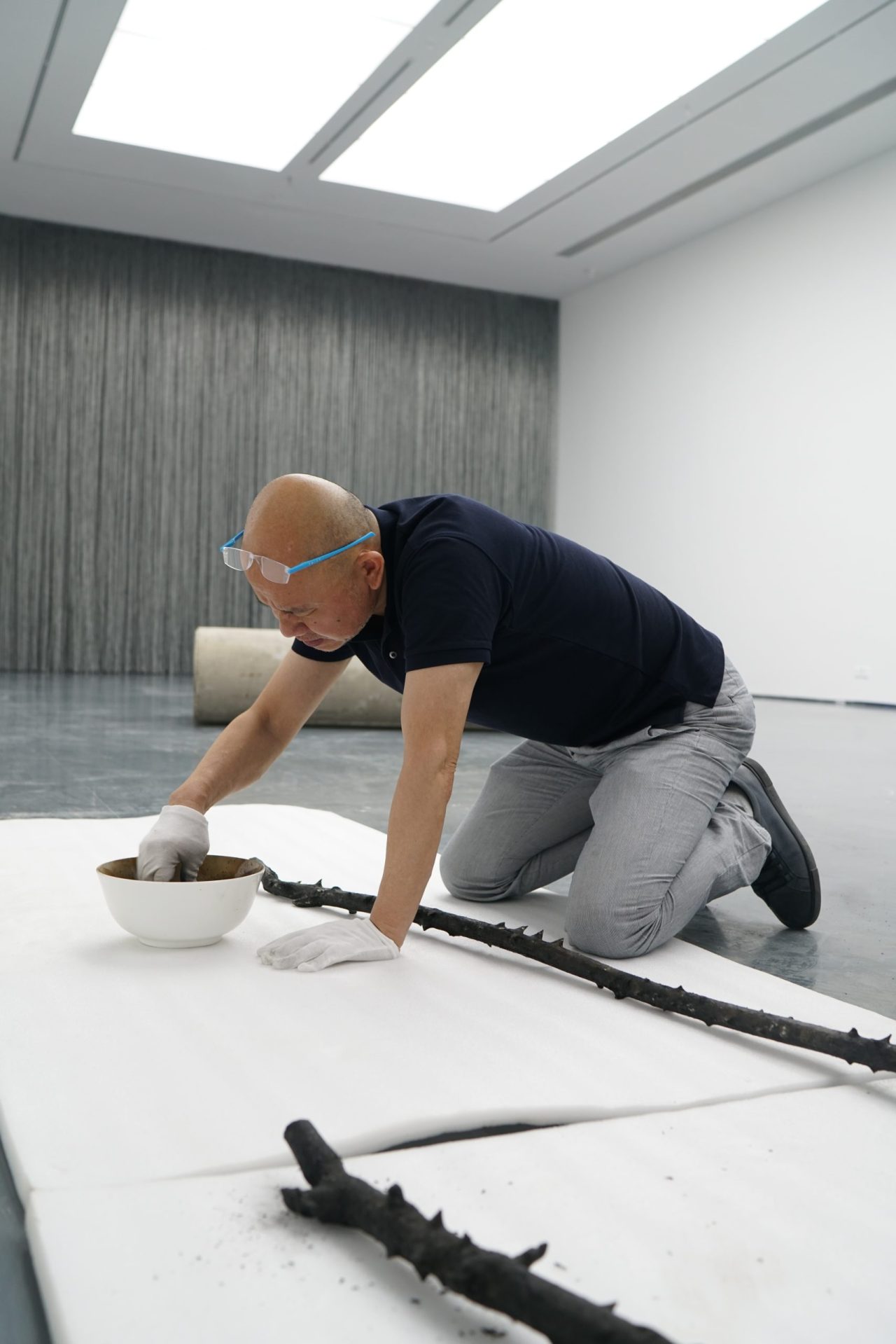
Hu Xiaoyuan
Hu Xiaoyuan (b. 1977, Harbin) now lives and works in Beijing.
Her artistic practice includes installation, media art, sculpture and painting, often using embodied experiences to explore abstract topics of time, space, consciousness and existence. She has taken part in Documental12, Kassel (2007).
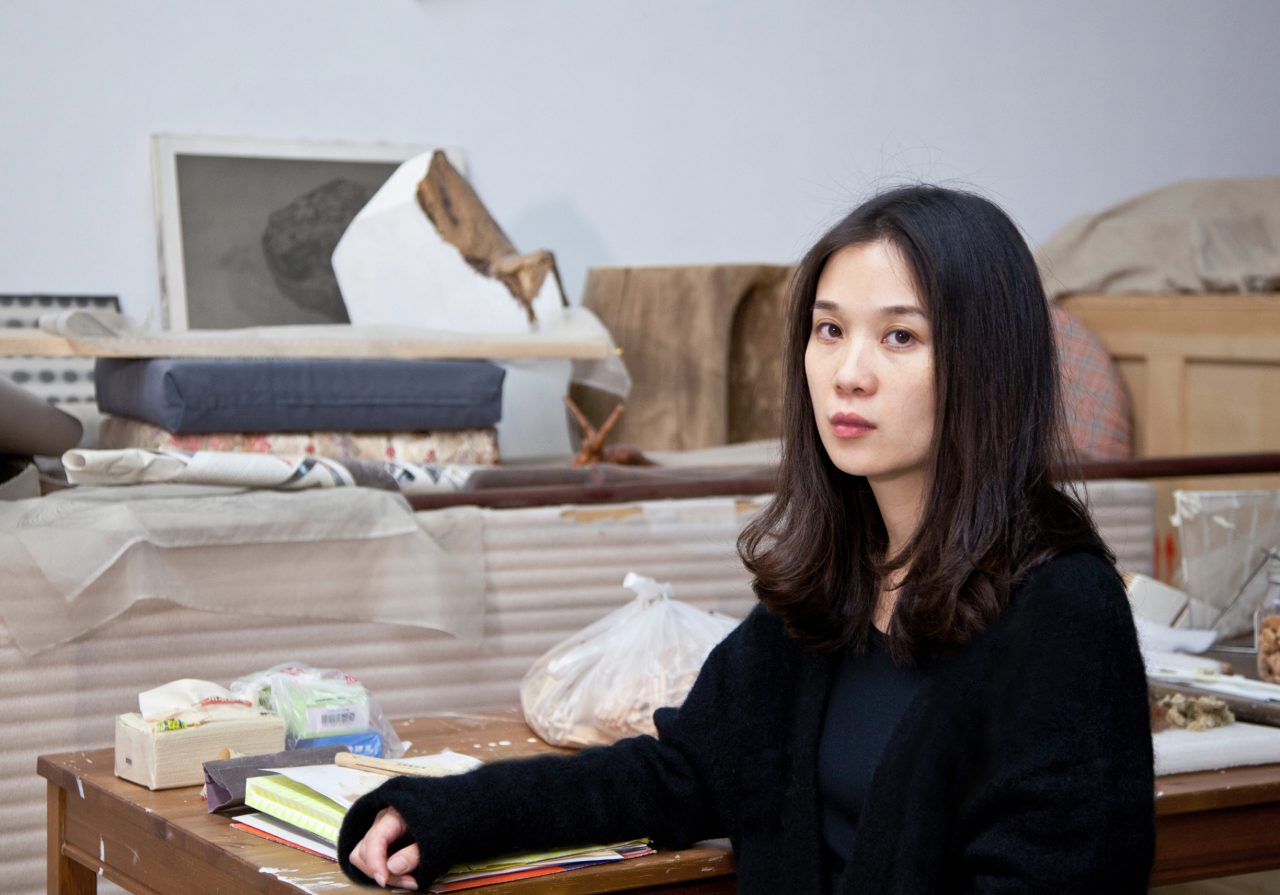
He Xiangyu
He Xiangyu’s art practice is centered on the politics of symbols and the ideological logic hidden behind. He uses the individual experience as a carrier to trace the evolution and variation of universal cognition, revealing the complexity and ambiguous nature of objects and concepts that are often considered as “ordinary”, while suggesting a new way of reviewing and interpreting those ideas in a contemporary context. The labor and perception of body, as well as its roles as both subject and object of consumption; the reciprocal relationship between individual experience and social system; the roles of culture in conflicts and evolutions, and its potential forms in the future – these are the subjects investigated in He Xiangyu’s works, which often root in the artist’s own identity and its internal conflicts, yet aim to challenge narratives beyond a self-involved perspective. From 2009, a series of projects of He, based on a magnitude of literal and factual research, has presented in various media, including video, painting, performance, and sculpture. These artworks constantly break through and integrate conventional boundaries among different media, revealing and emphasizing the merging of perceptive confines in an increasingly complex world.
From the Cola Project, the Palate Project, to the Lemon Project, He Xiangyu’s art practice keeps focusing on the symbolic nature of objects and the reticular evolution of symbols. In the Cola Project, as a commercial and cultural symbol, “Coca-Cola” reflects complex issues such as capitalism, consumption, globalization, and labor; in the Palate Project, what hidden behind the intimate and gentle image of the “palate” is a series of poignant cultural-political conflicts. In a consistent particular approach of the artist, the Lemon Project has made a further attempt. During the three-year interdisciplinary research from various perspectives, including art history, politics, history, material culture, medicine, sociology, anthropology, and gender studies, the Lemon Project presents reticular connections between the Lemon and the color Yellow in cultural and geographical areas across various historical periods. Based on this research, the project consists of five video works and a series of ready-made art experiments; in addition, a wide variety of the investigated subjects have been covered in the Yellow Book: A Project by He Xiangyu, published by Hatje Cantz in 2019.
Based in Beijing and Berlin, He Xiangyu was named as a finalist for the “Future Generation Art Prize” (2014), and won the 10th CCAA“Best Young Artist”Award (2016) and the “ARTNET Emerging Artist Prize” (2016). His recent exhibitions include: Soft Dilemma, Andrew Kreps Gallery, New York (2021); Hard Palate, White Space Beijing, Beijing (2020); 100 Drawings From Now, The Drawing Center, New York (2020); Facing the Collector, The Sigg Collection of Contemporary Art from China, Castello di Rivoli Museum of Contemporary Art, Turin (2020); The Long Term You Cannot Afford, SAVVY Contemporary, Berlin (2019); Cosmopolis #2, Centre Pompidou, Paris (2019); Terminal 3, Ural Biennale (2019); Everything We Create is Not Ourselves, Venice Biennale (2019); Tales of Our Time Film Program (Screening of the film The Swim), Guggenheim Museum New York, New York (2017); Soil and Stones, Souls and Songs, Kadist Art Foundation (2016-2018); Juxtapoz x Superflat, Vancouver Art Gallery, Vancouver (2016); Chinese Whispers, Paul Klee Zentrum, Kunstmuseum Bern, Bern (2016); Lyon Biennale (2015); Fire and Forget: on Violence, KW Institute for Contemporary Art, Berlin (2015); Shanghai Biennale (2014); Yokohama Triennale (2014); Busan Biennale (2014).
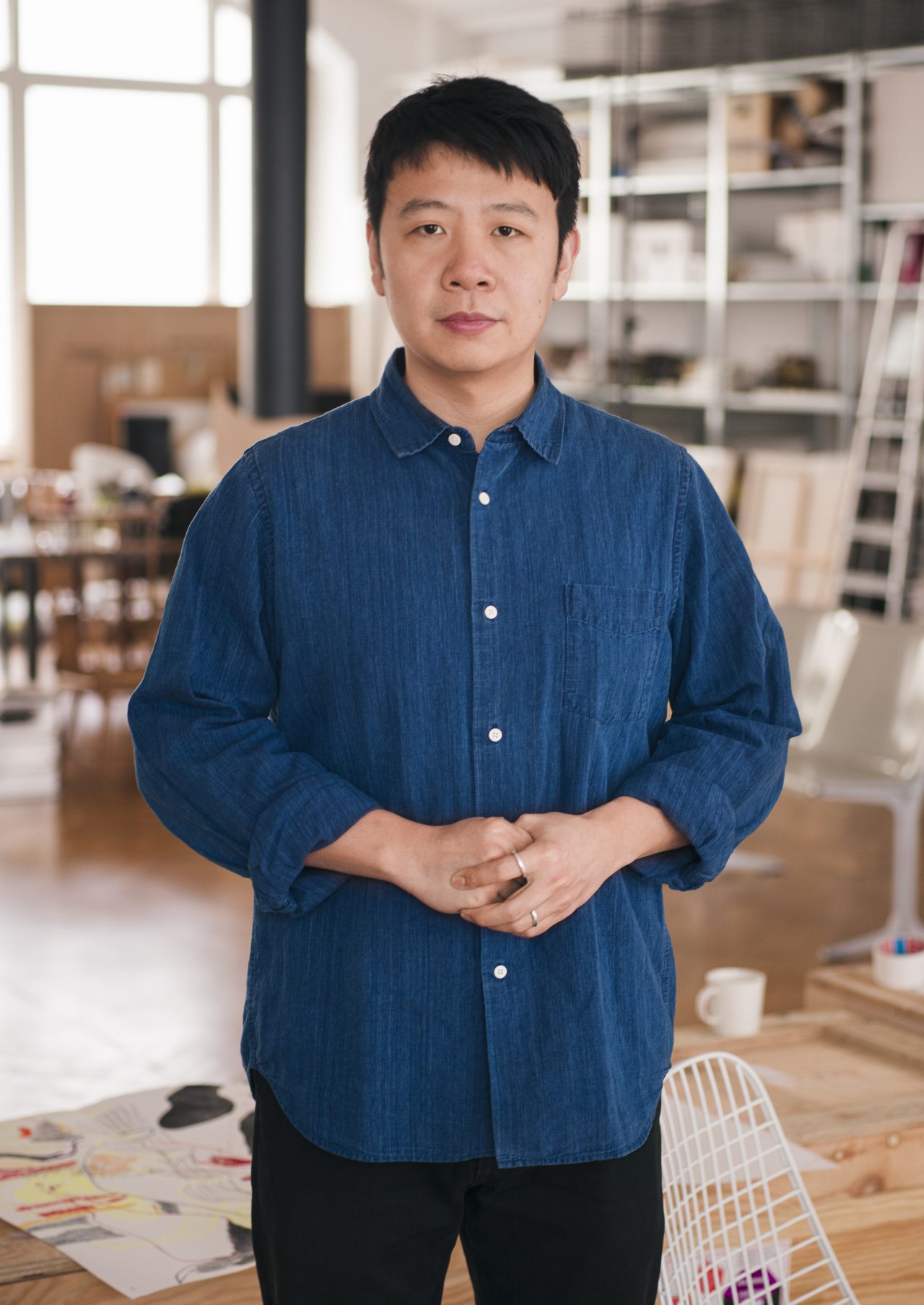
Qiu Xiaofei
A representative figure of China’s New Generation artists, Qiu Xiaofei (b. 1977, Harbin, China) draws on the expressive possibilities of artmaking. His paintings—along with related drawings, sculptures, and installations—evoke a dreamlike state of memory and awaken the potentials of perception that are hidden in the depths of the mind. Engaging with relationships between personal experience and history, Qiu takes an improvisational approach to creating compositions that can be quiet and controlled or wild and painterly. Through unconstrained creative acts within his artistic process, he paints works that extend beyond the realm of reality.
Qiu’s aesthetic concerns have evolved from representing remembered images toward investigations of the direct act of painting. Developing his works intuitively and without premeditation, he combines extemporaneous gestures with fragments of figurative imagery. The resulting paintings offer alternations of surface and depth, and of visual abstractions and symbolic references. Qiu’s hybrid practice is not a purely aesthetic exploration; rather, he constantly draws external influences and techniques into his painting process. He employs various readymade objects to leave traces in his paintings, and in turn develops his compositions in response to these traces. These emerging forms and concepts spur the artist to make new choices, pushing his works into the unknown.
Thomas Houseago
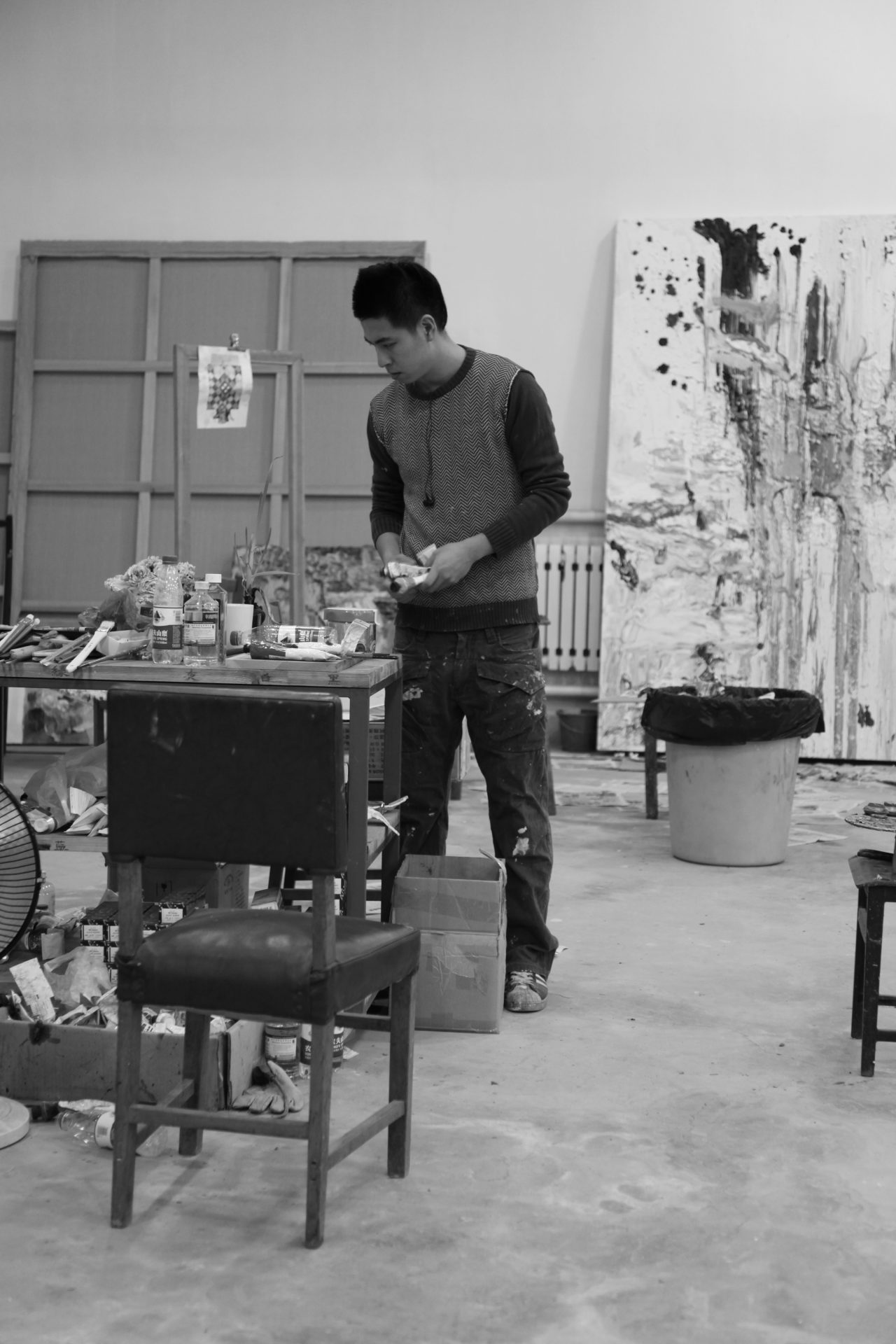
Born in Leeds, England, Thomas Houseago’s career has taken him from the United Kingdom to the Netherlands, to Belgium and finally to the United States, where he currently lives and works in Los Angeles CA.
Recent solo exhibitions include ‘The Ridge’, Gagosian Gallery, Beverly Hills CA (2017); ‘Psychedelic Brothers – Drawn Paintings’, Gagosian Gallery Hong Kong (2016); ‘Before the Room’, Xavier Hufkens, Brussels, Belgium (2015); ‘The Medusa and Other Heads’, Gagosian Gallery, New York NY (2015); ‘Thomas Houseago’, L’Academie Conti, Le Consortium, Vosne-Romanée, France (2015); ‘Moun Room’, Hauser & Wirth New York (2014); ‘Thomas Houseago: Studies ’98 – ’14’, Gemeentemuseum den Haag, The Hague, Netherlands (2014); ‘Yorkshire Sculpture Triangle’ (comprised of Henry Moore Institute, The Hepworth Wakefield, Leeds Art Gallery, and Yorkshire Sculpture Park), Yorkshire, England (2014); ‘As I Went Out One Morning’, Storm King Art Centre, Mountainville, New York NY; ‘Where The Wild Things Are’, Sainsbury Centre for Visual Arts, Norwich, England (2013); ‘I’ll be your sister’ and ‘Special Brew’, Hauser & Wirth London (2012); ‘The mess i’m looking for’, Hauser & Wirth Zürich (2012); Hauser & Wirth Outdoor Sculpture, Southwood Garden, St. James’s Church, London, England (2012); ‘The Beat of the Show’, Inverleith House, Edinburgh, Scotland (2011); and the major touring exhibition ‘What Went Down’ at Museum Abteiberg, Monchengladbach, Germany, realised in cooperation with Modern Art Oxford, Oxford, England and the Centre International d’Art et du Paysage de l’lle de Vassivière, France where the show was on view in summer 2011.
Houseago’s work has featured in numerous group presentations including ‘Rodin: The Centennial Exhibition’ Grand Palais, Paris, France (2017); ‘Versus Rodin: Bodies Across Space and Time’ Art Gallery of South Australia, Adelaide SA, Australia (2017); ‘Creature’, The Broad, Los Angeles CA (2016); ‘Progressive Praxis’ De la Cruz Collection, Miami FL (2016); ‘Biennial – Curated by Roderick Mengham’, Jesus College, Cambridge, England (2015); ‘Selections from the Permanent Collection’, Museum of Contemporary Art, Los Angeles CA; ‘Display – Contemporary Drawings’, Kettle’s Yard – University of Cambridge, Cambridge, England; (2015); ‘1 + 1 = 1’, Montreal Museum of Fine Arts, Montreal, Canada; ‘Unbound: Contemporary Art After Frida Kahlo’, Museum of Contemporary Art, Chicago IL (2014); ‘L’art à l’endroit. Parcours d’art contemporain à Aix-en-Provence’, Le Consortium, Aix-en-Provence, France; ‘Somos Libres. The world of contemporary art through the eyes of Mario Testino’, MATE, Lima, Peru; ‘Contemporary Future’, CAB Art Center, Brussels, Belgium (2013); ‘Figures from the New World’, Centre for Contemporary Art Ujazdowksi Castle, Warsaw, Poland; ‘A House of Leaves’, David Roberts Art Foundation, London, England; ‘To Hope, To Tremble, To Love: Works from the David Roberts Art Foundation’, The Hepworth, Wakefield, England; ‘Great St. Helen’s Sculpture Space’, St. Helen’s Square, London, England (2012) and ‘Art and the City’, a public art festival in Zurich, Switzerland (2012).
In 2015 Houseago’s ‘Masks (Pentagon)’, comprising five different large-scale masks and commissioned by The Public Art Fund, was on display at the Rockefeller Plaza, New York NY.
Theaster Gates
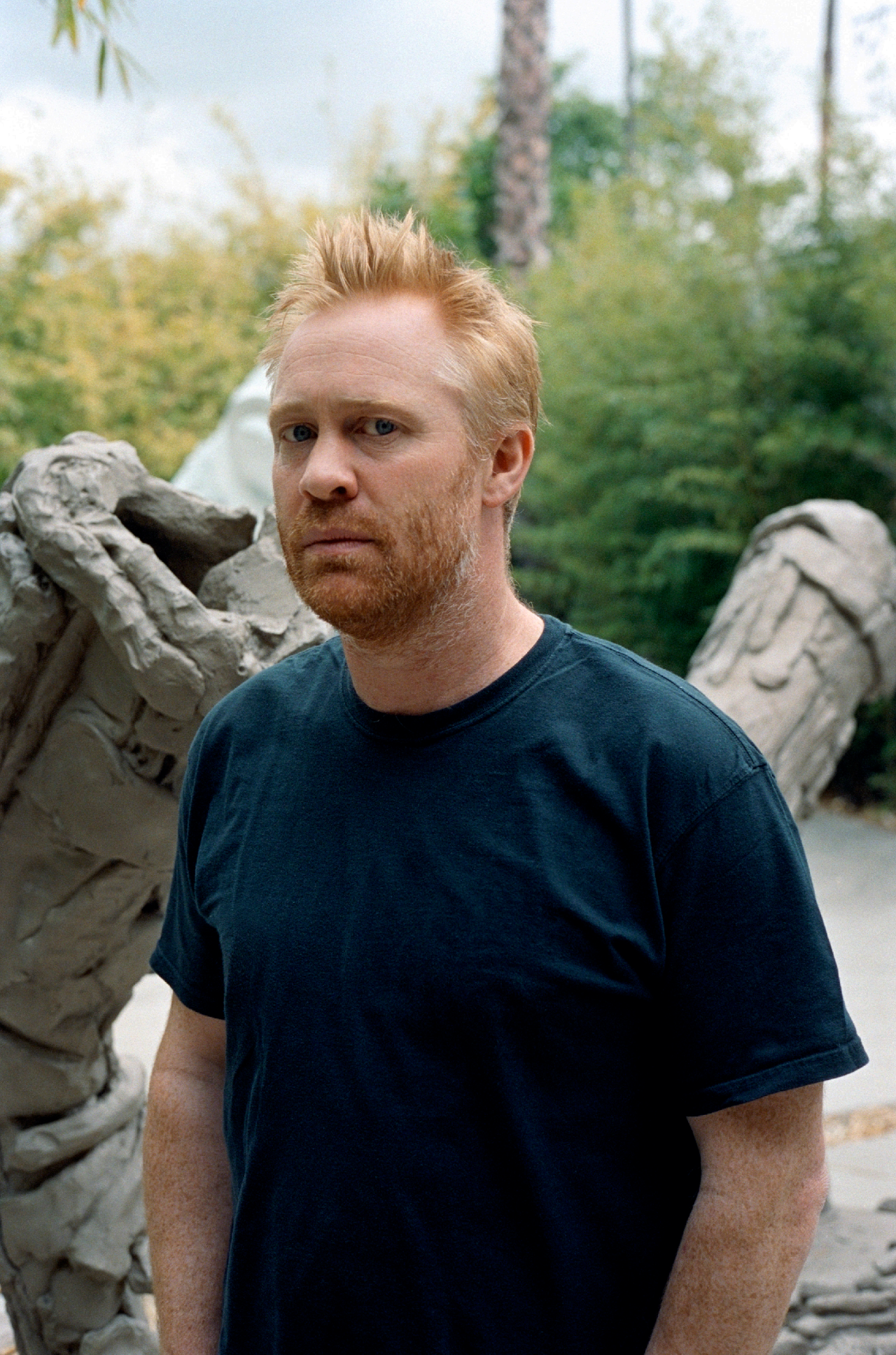
Theaster Gates (born in 1973, Chicago) is an inter-discipline artist. Gates’ artistic practice includes performance, sculpture, installation and urban interventions. He attempt to instigate the creation of cultural communities by acting as catalysts for social engagement that leads to spatial change.
Gates believes that public space innates certain form of power, which can boost authentic communication through building an integrated social relations. Gates received the 2020 Crystal Award for his leadership in creating sustainable communities.
Oscar Murillo
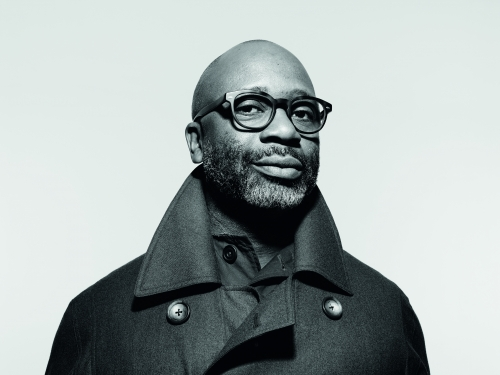
Oscar Murillo (b. 1986, Colombia) now lives and works in various location.
His body of work demonstrates a sustained emphasis on the notion of cultural exchange and the multiple ways in which ideas, languages, and even everyday items are displaced, circulated, and increasingly intermingled. He was one of four artists to win the 2019 Turner Prize.
Martin Creed
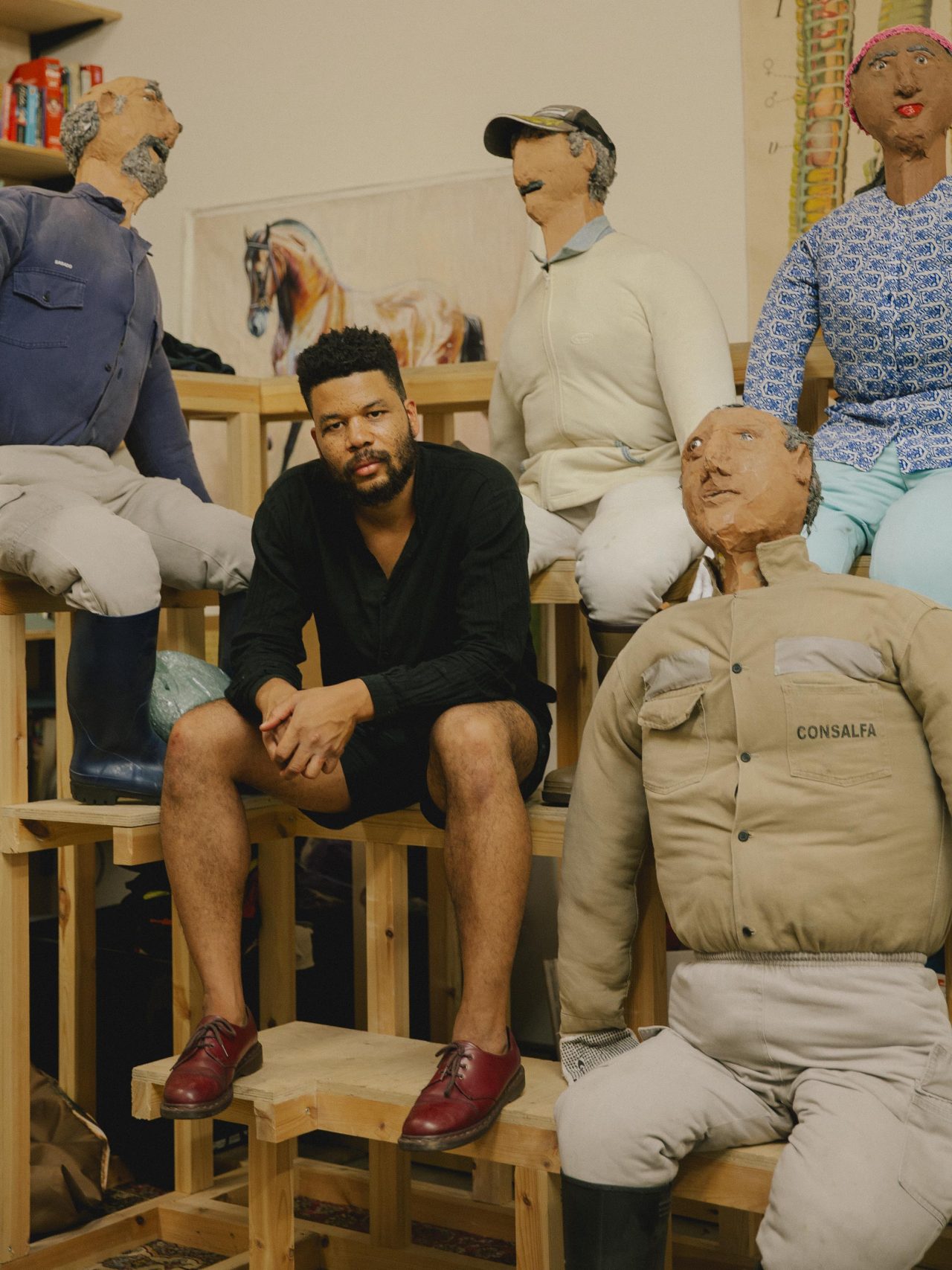
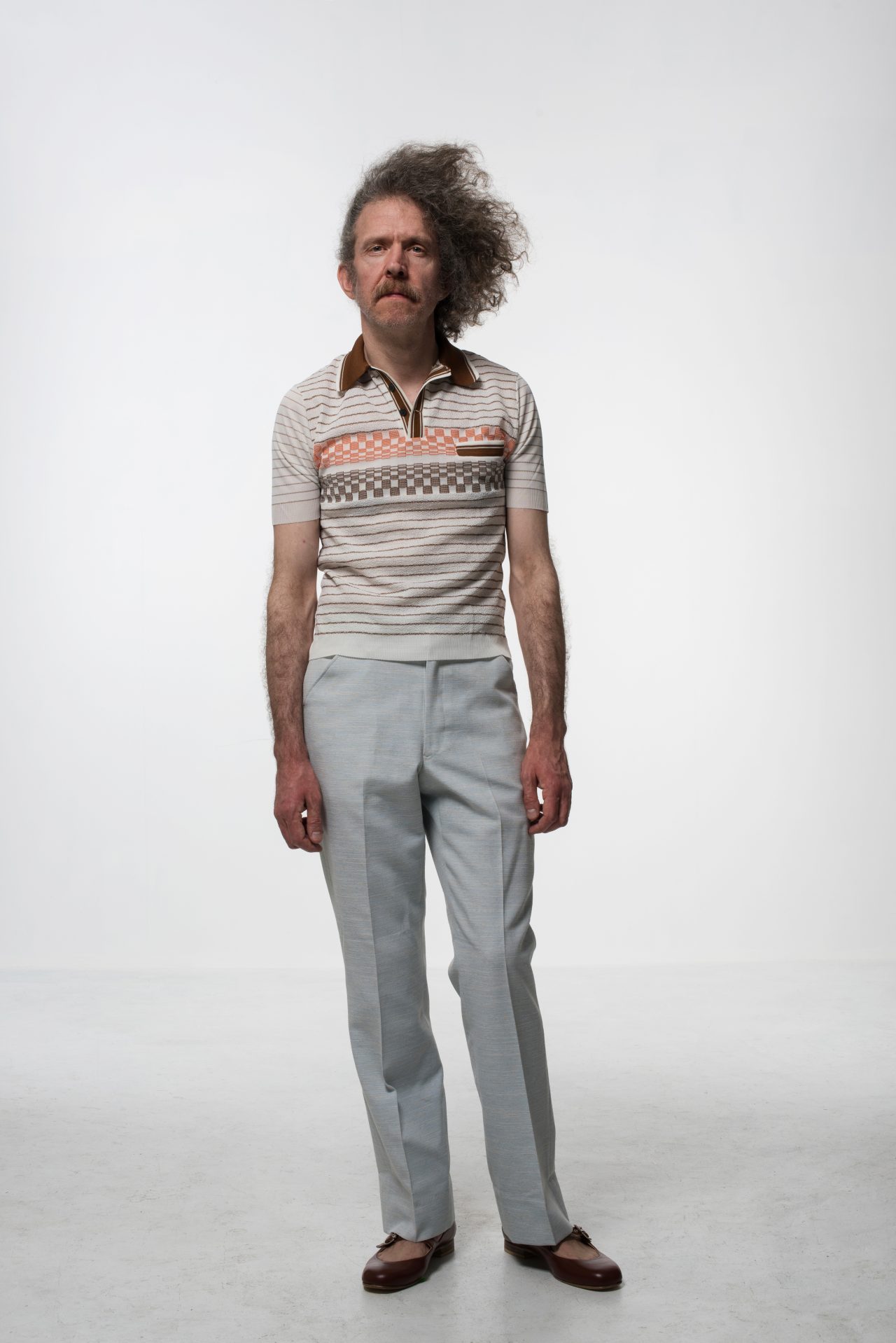
Martin Creed (b. 1968, Wakefield, England) now lives and works in London. Creed is an artist, composer and performer. His work draws on commonplace objects and everyday life items, blending minimalist with humorous. His artistic practice blurs the distinction between life and art, and between introspection and extroversion.Creed won the Turner Prize in 2001, and in 2016 he held his first solo exhibition in China, Understanding, at Qiao Space. Work No. 3453 : EVERYTHING IS GOING TO BE ALRIGHT was placed as a permanent exhibit on the plaza of Tank Shanghai.
Danh Vo
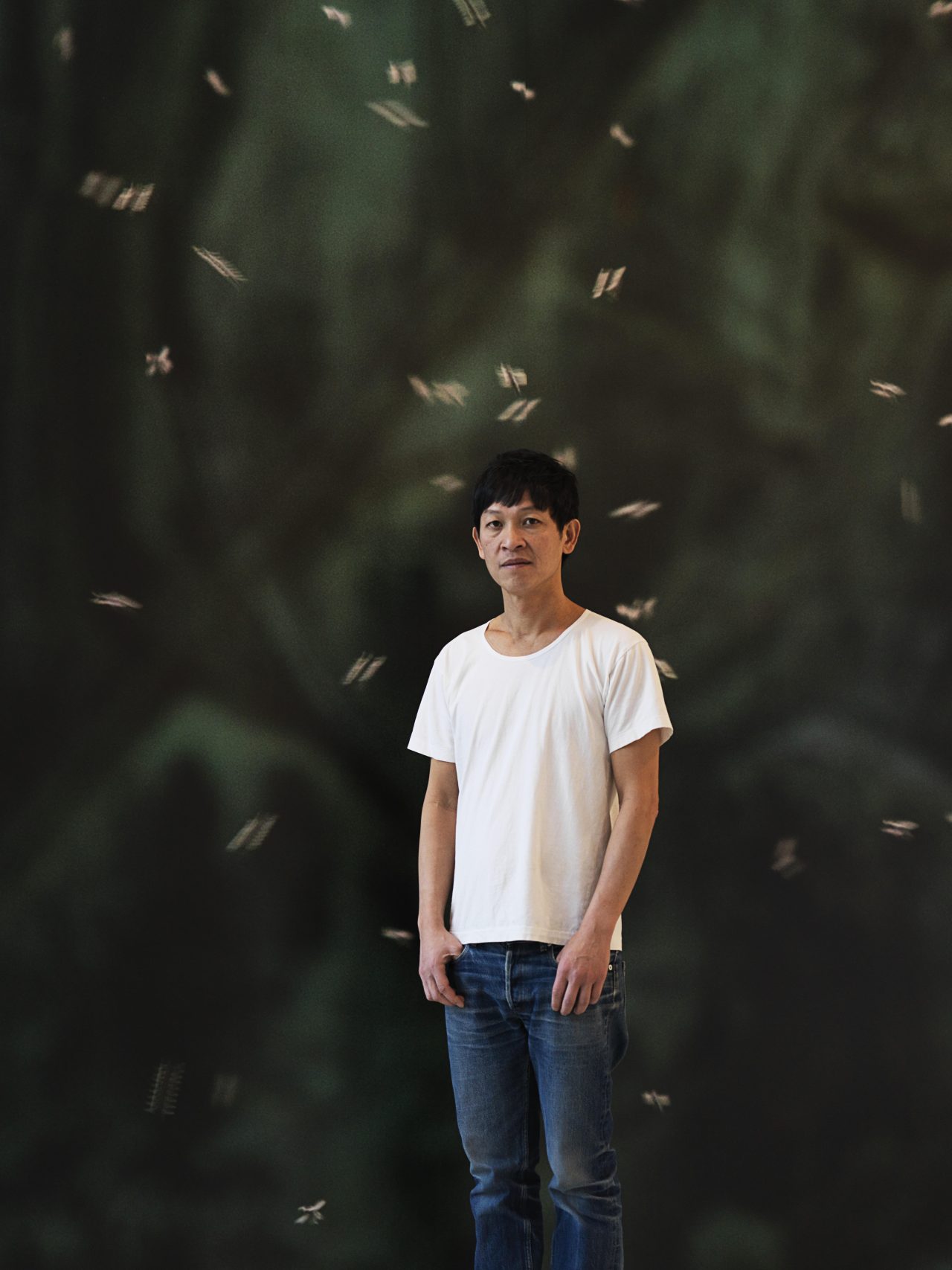
Danh Vo was born in Bà Rja, Vietnam, in 1975. Vo’s family fled the country in a homemade boat when he was four years old, the vessel was rescued at sea by a Danish freighter. Danh Vo grew up in Denmark, studied at the Royal Academy of Fine Arts (1998-2002) in Copenhagen and the Städelschule (2002-2005) in Frankfurt. He lives in Mexico City and is currently working on a farm-housing project outside of Berlin in Güldenhof. His artistic practices often address issues relating to identity and belonging, authority, ownership, the role of personal relationships and other conditions that define human existence in contemporary time.
Danh Vo’s principal solo exhibitions include Danh Vo oV hnaD, The National Museum of Art, Osaka (2020); Danh Vo: Untitled, South London Gallery, London (2019); Noguchi for Danh Vo: Counterpoint, M+, Hong Kong (2018); Danh Vo: Take My Breath Away, Solomon R. Guggenheim Museum, New York, and SMK, Copenhagen (2018); Danh Vo, CAPC, Bordeaux (2018); Ng Teng Fong Roof Garden Commission series: Danh Vo, National Gallery, Singapore (2017); Banish the Faceless / Reward your Grace, Palacio de Cristal, Reina Sofía, Madrid (2015-2016); Ydob eht ni mraw si ti, Museum Ludwig, Cologne (2015); Go Mo Ni Ma Da, Musée d’art moderne de la Ville de Paris, Paris (2013); We The People (detail) 2010-2013, Art Institute of Chicago, Chicago (2012); Vō Danh, Kunsthaus Bregenz, Bregenz (2012); JULY, IV, MDCCLXXVI, Kunsthalle Fridericianum, Kassel (2011), Hip Hip Hurra, National Gallery of Denmark, Copenhagen (2010); Danh Vo: Where the Lions Are, Kunsthalle Basel, Basel (2009); and Package Tour, Stedelijk Museum, Amsterdam (2008). He represented Denmark at the Venice Biennale in 2015 with the exhibition Mothertongue and participated in the International Exhibition of the Biennale in 2013 and 2019.
He is the winner of the Arken Art Prize, Ishøj, Denmark (2015), Hugo Boss Prize (2012) and the BlauOrange Kunstpreis der Deutschen Volksbanken und Raiffeisen Bank, Berlin (2007).
Andro Wekua
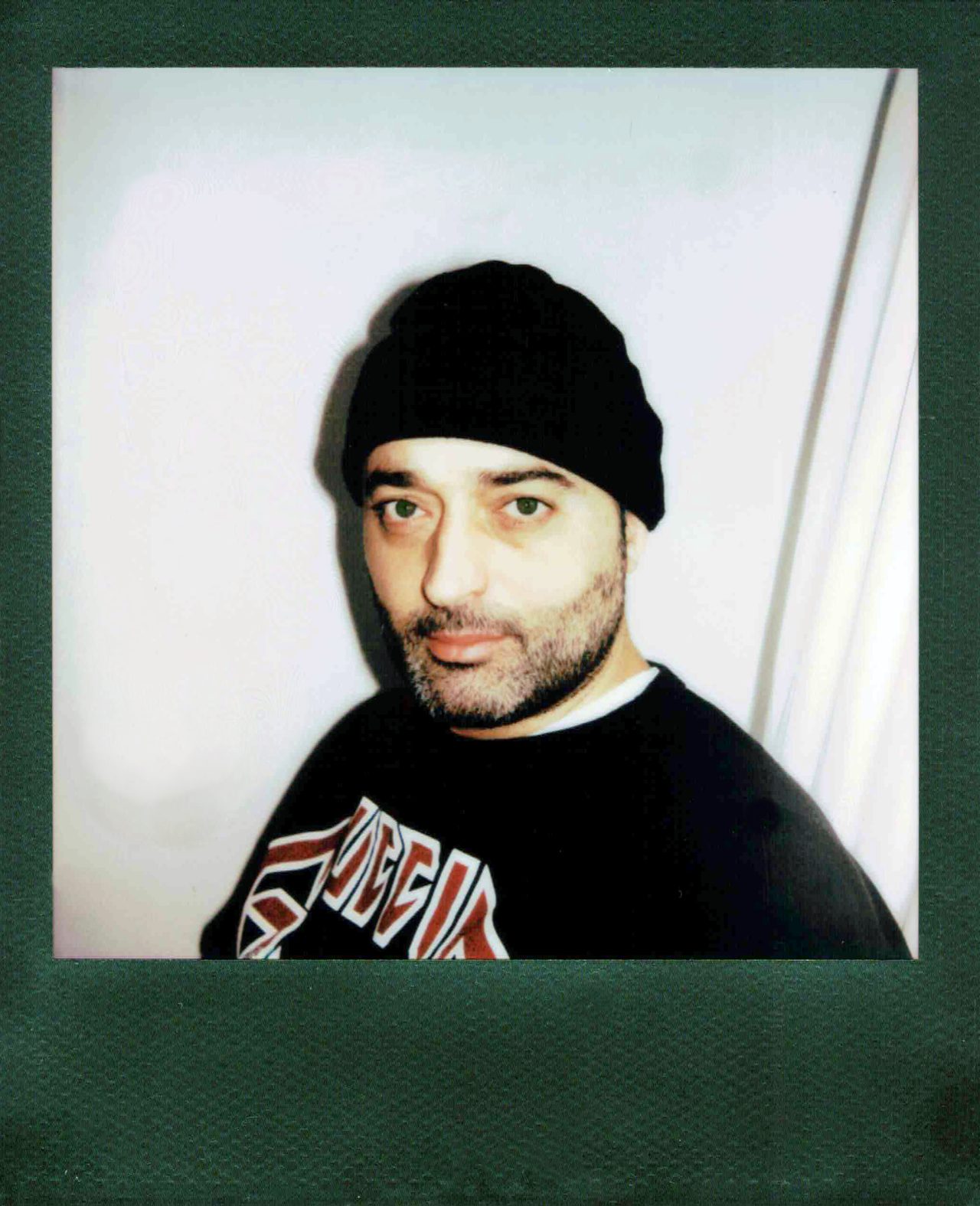
Andro Wekua (*1977 in Sukhumi, Georgia), lives and works in Zurich and Berlin.
Selected solo exhibitions include Kunsthalle Zürich and Garage Museum of Contemporary Art, Moscow (both 2018), Kölnischer Kunstverein, Cologne (2016), Benaki Museum, Athens (2014), Kunsthalle Wien, Kunsthalle Friedericianum (both 2011), Wiels, Brussels, Museion Bolzano (both 2010), Museum Bojmans van Beuningen, Rotterdam (2007), and Kunsthalle Winterthur (2006). Selected group exhibitions include: Haus der Kunst, Munich (2019), Fondation Vincent van Gogh, Arles, Albertina Museum, Vienna (both 2018), Museum of Contemporary Art, Cleveland (2016), the High-Line Art, New York (2015), Pinakothek der Moderne & Brandhorst Museum, Munich (2015), Palais de Tokyo, Paris (2014), Centred’Art Contemporain, Genève (2013), New Museum, New York, 54th Venice Biennale,Venice (both 2011), Kunsthaus Zürich (2008), Centre Pompidou, Paris (2006), and 4th Berlin Biennale, Berlin (2004).
INSTALLATION VIEW